How to Transplant Prairie broomweed?
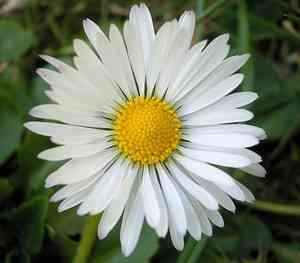
The most favorable period for transplanting prairie broomweed spans from the beginning of spring to the onset of summer. Select a location that receives ample sunlight and possesses soil with good drainage, keeping in mind that preserving the root system's health is crucial for successful establishment.
Essential Preparations Before Relocating Prairie Broomweed?
Optimal Timing for Prairie Broomweed Relocation?
The perfect time to move prairie broomweed is at the start of spring, when mild temperatures encourage development. This timing boosts prairie broomweed's resilience, ensuring stronger establishment and improved vitality.
Recommended Spacing Between Prairie Broomweed Plants?
To allow prairie broomweed ample room for root expansion, position them 6-12 inches (15-30 cm) apart. This spacing prevents competition for nutrients, moisture, or sunlight among individual plants.
Ideal Soil Mixture for Prairie Broomweed Transplanting?
Prairie broomweed thrives in well-draining soil. Prepare the bed by incorporating a balanced, slow-release fertilizer before planting to give prairie broomweed an excellent start. Loamy soil enriched with compost can significantly benefit your plants!
Choosing a New Location for Your Prairie Broomweed?
Select a bright spot for your prairie broomweed as it requires abundant sunlight. Aim for an area that receives at least 6 to 8 hours of direct sun daily. Full sun exposure will promote robust and healthy growth for your prairie broomweed.
Necessary Equipment for Prairie Broomweed Transplantation?
Gardening Gloves
To safeguard your hands while handling soil and prairie broomweed.
Shovel or Spade
For excavating prairie broomweed from its current position.
Garden Trowel
For managing smaller or delicate root systems during the relocation.
Watering Can or Hose
To hydrate prairie broomweed before and after the transplant.
Pruners
To trim any damaged roots or foliage prior to transplanting.
Wheelbarrow or Garden Cart
To move prairie broomweed and soil if needed.
Method for Extracting Prairie Broomweed from the Ground?
Method for Extracting Prairie Broomweed from the Ground?
From Ground: First, thoroughly moisten the soil around prairie broomweed. Then, using your shovel or spade, dig a wide circle around the plant, leaving ample space to avoid root damage. Once you've created clearance around the plant, carefully slide the shovel beneath the root ball and gently lift prairie broomweed from its original spot.From Pot: Begin by watering prairie broomweed to moisten the soil, which assists in root ball removal. Carefully tilt the pot sideways and tap its sides to loosen the soil. Slowly ease the plant out, supporting the base and roots, to prevent undue stress on the plant.From Seedling Tray: Pre-moisten the soil in the tray. Use a garden trowel to gently separate each prairie broomweed plant from its cell, ensuring as much soil as possible remains around the roots for support during the transition.
Step-by-Step Guide for Relocating Prairie Broomweed
Preparation
Gather all necessary tools and water prairie broomweed beforehand to ensure hydrated roots and easier soil manipulation during removal. Prepare the new site by clearing any debris to provide ample working space without obstacles or impediments to root growth. Confirm that the area meets previously established requirements, such as soil type or sunlight, as these were determined earlier in your gardening process.
Root Ball Handling
Remove prairie broomweed with an intact root ball. Ensure you lift the plant from beneath the root ball to minimize stress on the plant's stems and leaves during the move.
Transplant Hole
Excavate a hole in the new location that is twice the width and the same depth as prairie broomweed's root ball. This provides space for roots to spread easily.
Placing prairie broomweed
Carefully position prairie broomweed in the center of the hole. The top of the root ball should be level with the surrounding ground to allow proper root expansion and access to oxygen.
Refilling the Hole
Gently backfill around the plant with soil, ensuring no air pockets remain. Lightly press down around the base of prairie broomweed to secure it, but avoid excessive soil compaction.
Watering
After planting, generously water prairie broomweed to settle the soil around the roots and help alleviate transplant shock. This is vital for re-establishing the roots in their new location.
Post-Transplant Care for Prairie Broomweed
Monitoring
Closely observe prairie broomweed for indications of transplant shock, such as wilting leaves or a lack of new growth. Patience is crucial; it may take some time for prairie broomweed to adjust to its new environment.
Additional Watering
Provide prairie broomweed with extra attention regarding watering in the subsequent weeks. Ensure the soil does not completely dry out, but be careful not to overwater. Gradually reduce watering frequency as prairie broomweed becomes established.
Protection
Depending on the season and local conditions, prairie broomweed might need additional care, such as shielding from intense midday sun or from frost if transplanted during a cooler period.
Addressing Common Issues with Prairie Broomweed Transplantation.
Why is my prairie broomweed struggling after transplant?
Ensure you're transplanting prairie broomweed during the optimal window from early to late spring, with 6-12 inches (15-30 cm) spacing between plants. Check for appropriate soil moisture and avoid deep watering which can harm roots.
How much sunlight does transplanted prairie broomweed need?
Full sunlight is crucial for prairie broomweed's development. Ensure the transplant site receives ample daily sunshine for best outcomes.
Can I transplant prairie broomweed during summer?
Transplanting prairie broomweed in summer is not ideal. Aim for the recommended period between early and late spring when the plant can establish itself under optimal conditions.
What is the best soil type for transplanting prairie broomweed?
Well-draining soil is perfect for prairie broomweed. Avoid heavy, clay-rich soils that retain water and can lead to root rot.
Why are the leaves of my transplanted prairie broomweed wilting?
Wilting after transplanting prairie broomweed might be stress-induced. Ensure you're not over or under-watering and that the soil drains well.
How deep should I plant prairie broomweed during transplant?
Transplant prairie broomweed so the root ball is level with the soil surface, ensuring roots are just below ground level.
What spacing is required between transplanted prairie broomweed?
Provide ample room for healthy growth, spacing prairie broomweed approximately 6-12 inches (15-30 cm) apart.
Is it necessary to fertilize prairie broomweed after transplantation?
Fertilization isn't immediately required; focus on proper spacing, sunlight, and watering. Monitor the plant's progress and fertilize as needed during the growth period.
How to protect transplanted prairie broomweed from pests?
Regular inspection is key. If pests are observed, treat prairie broomweed with a suitable, mild insecticide recommended for such plants.
Should I prune prairie broomweed after transplanting it?
No immediate pruning is necessary post-transplanting. Allow prairie broomweed to establish itself first; prune only if required for shaping or removing dead parts later in the season.



