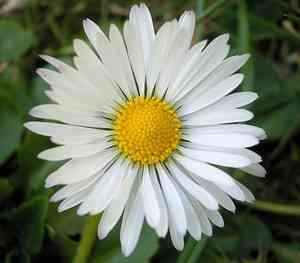
Prairie broomweed (Amphiachyris dracunculoides)
Also known as: Annual broomweed, Common broomweed
The **Echinacea purpurea**, commonly known as purple coneflower, is a native North American plant that thrives in sunny locations and is highly drought-tolerant. As a member of the daisy family, it is particularly appealing to bees, butterflies, and birds.
In This Article
Attributes of Prairie broomweed
Lifespan
Annual
Plant Type
Herb
Plant Height
2 m
Spread
30 cm
Leaf Color
Green
Flower Size
9 mm
Flower Color
Yellow
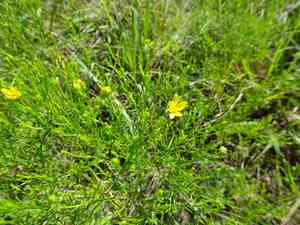
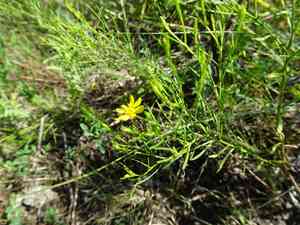
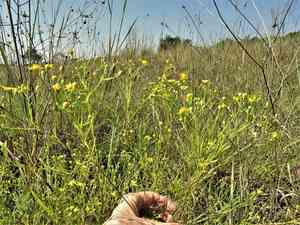
Images of Prairie broomweed
Quickly Identify Prairie broomweed
1
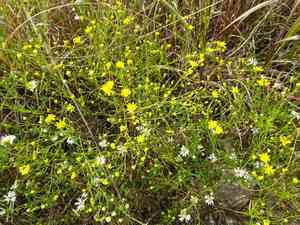
Look for a small to medium-sized herb with slender, green stems and narrow leaves. The plant produces numerous small, bright yellow flowers arranged in dense clusters.
Scientific Classification of Prairie broomweed
Phylum
Vascular plants
Class
Dicotyledons
Order
Asterales
Family
Daisy
Genus
Amphiachyris
Species
Prairie broomweed
Planting and Growing of Prairie broomweed
Care Difficulty
Easy
Watering Schedule
Every 2 days
Sunlight Requirements
Full sun
Sunshine Duration
4-6 hours
Ideal Temperature
60-75℉
Soil Type
Potting Mix, Peat Mix
Soil pH
6.5-7.5
Fertilizer Type
Balanced
Pruning Season
Spring, Summer
Pruning Area
Branches, Leaves
Pruning Frequency
2 times a year
Repotting Season
Spring
Pot Type
Plastic, Ceramic
 How to Water Prairie broomweed?
For Amphiachyris dracunculoides, it is important to provide around 500 milliliters of water per session. The goal is to ensure that the soil is consistently moist, but not waterlogged. Water the soil until you notice that the top couple of inches are evenly saturated, ensuring the roots have adequate moisture.
What are the symptoms of an underwatered Prairie broomweed?
›
What should I do if my Prairie broomweed is not getting enough water?
›
What are the symptoms of an overwatered Prairie broomweed?
›
How to save an overwatered Prairie broomweed?
›
 What Are the Sunlight Requirements for Prairie broomweed?
Amphiachyris dracunculoides thrives in full to partial sun environments. Well-adjusted light supplies ensure optimal growth, vibrant flowering, and enhanced resilience, contributing to overall plant health.
More About Sunlight Requirements Techniques→
What is the best lighting for Amphiachyris dracunculoides?
›
How can I achieve ideal sunlight exposure for Amphiachyris dracunculoides?
›
What benefits does ideal lighting provide for Amphiachyris dracunculoides?
›
 What Is the Ideal Temperature Range for Prairie broomweed?
The ideal temperature range for growing Amphiachyris dracunculoides is between 60°F and 75°F. This range allows for optimal growth and development of the plant, as it provides a stable environment that mimics its native conditions. Maintaining this temperature range helps the plant to efficiently carry out photosynthesis, leading to healthy and robust growth.
 What Soil is Best for Prairie broomweed?
Amphiachyris dracunculoides thrives in soils with excellent drainage. Proper drainage ensures that water doesn't pool around the roots, reducing the risk of root rot and promoting healthy plant growth. Well-drained sandy or sandy loam soils are ideal for this plant. While Amphiachyris dracunculoides isn't particularly fussy about nutrient-rich soil, a basic level of nutrients will boost its vigor. Regular applications of a balanced fertilizer can promote flowering and lush growth, particularly if the soil is sandy and low in organic matter. The plant prefers a mildly acidic to neutral pH range from 6.5 to 7.5, which facilitates optimal nutrient uptake. Maintaining soil within this pH range ensures the availability of essential minerals while preventing potential nutrient lockout, leading to robust plant health.
 How to Fertilize Prairie broomweed?
Amphiachyris dracunculoides, also known as Prairie Broomweed, generally requires a moderate amount of fertilizer. In loamy soil conditions, it's beneficial to use about 1/4 cup of well-balanced, all-purpose 10-10-10 NPK liquid fertilizer per application. This ensures that the plant receives essential nutrients without overwhelming it.
 How to Prune Prairie broomweed?
Start pruning Amphiachyris dracunculoides by removing any dead or damaged stems. Focus on trimming back long or unruly branches to encourage the formation of a more uniform shape. Use sharp, sterilized scissors or pruning shears for clean cuts. After removing dead or diseased material, identify the tallest stems and cut them back by one-third. This step will encourage new growth and a fuller appearance, promoting a bushy and healthy plant.
More About Pruning Techniques→
 How to Propagate Prairie broomweed plant?
1
Collect seeds from mature Amphiachyris dracunculoides plants. Ensure seeds are fully ripe and dry to optimize germination rates and future plant health.
2
Sow seeds in a seed tray filled with sterilized potting mix. Cover lightly with soil, ensuring sufficient water without saturation to promote germination.
3
Place the seed tray in a warm, bright location. Keep the soil consistently moist, monitoring growth and adjusting care to support development through sprouting.
 How to Repot Prairie broomweed plant?
1
Signs that it's time to repot Amphiachyris dracunculoides include roots growing out of the bottom of the pot, slowed growth, and soil that dries out too quickly. Ideally, repotting should be done during the active growing seasons of spring or early summer, when the plant is best able to adjust to the change.
2
Select a pot that is one size larger than the current one, with ample drainage holes to prevent water-logging. A larger pot allows room for root growth, promoting healthier plant development. Consider a lightweight material such as plastic to make handling easier.
3
Choose a well-draining sandy soil mix, which mirrors the plant’s natural environment and prevents root rot. A mixture that includes a high percentage of sand and fine gravel will support proper aeration, allowing moisture to move freely through the soil.
Toxicity
Ingestion
WARNING
The judgment on toxicity and danger is for reference only. We DO NOT GUARANTEE any accuracy of such judgment. Therefore, you SHALL NOT rely on such judgment. It is IMPORTANT TO SEEK PROFESSIONAL ADVICE in advance when necessary.
Learn More About Prairie broomweed Diseases
Anthracnose
Bacterial Leaf Spot
Bacterial Soft Rot
Bacterial Wilt
Black Spot
Chemical Injury
Crown Gall
Cyst Nematode
Damping-off
Downy Mildew
Drought Stress
Fusarium Wilt
Gray Mold
Leaf Curl
Leaf Spot
Mosaic
Nutrient Deficiency
Nutrient Toxicity
Powdery Mildew
Root Rot
Root-knot Nematode
Rusts
Sooty Mold
Spider Mites
Temperature Stress
Thrips Damage
White Mold



