How to Transplant Spiny amaranth?
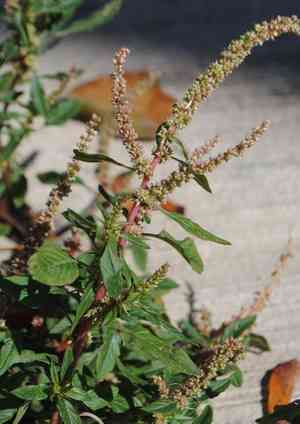
Relocate spiny amaranth in the pleasant temperatures of late spring through mid-summer to encourage peak development. Select bright spots featuring soil that drains effectively. Careful manipulation is crucial because of their fragile root systems.
What Preparations are Needed Before Transplanting Spiny Amaranth?
What is the Ideal Time for Transplanting Spiny Amaranth?
The optimal period for relocating spiny amaranth is from late spring through mid-summer. These warmer months offer prime conditions for root development and establishment. Moving spiny amaranth during this timeframe allows the plant ample opportunity to adapt and thrive before colder temperatures arrive. This duration provides consistent warmth, vital for spiny amaranth's successful acclimation. Furthermore, transplanting at this stage aligns with the plant's natural growth cycle, enhancing your gardening success.
How Much Space Should You Leave Between Spiny Amaranth Plants?
For spiny amaranth, it's best to allow sufficient room for expansion. Ideally, position your plants approximately 1-2 feet (30.5 - 61 cm) apart. This provides adequate space for the plant to comfortably spread and flourish!
What is the Best Soil Mix for Spiny Amaranth Transplanting?
The most suitable soil for spiny amaranth is well-drained and fertile. Before planting, enrich the soil with an organic-based fertilizer. This enhances the soil's nutrient content and encourages robust plant development.
Where Should You Relocate Your Spiny Amaranth?
Spiny amaranth thrives in abundant sunlight! Select a spot that receives full sun for the majority of the day. If indoors, a south-facing window is an excellent choice. This light exposure will help spiny amaranth grow strong and vibrant.
What Equipments Should You Prepare Before Transplantation Spiny Amaranth?
Gardening Gloves
To protect your hands from thorns and dirt during the relocation process.
A Shovel or Garden Trowel
To excavate a trench and then lift the plant.
A Watering Can or Hose
To hydrate the plant during the transplanting procedure.
Mulch
Required to help maintain soil moisture after moving spiny amaranth.
Organic Compost
To enrich the soil at the new site.
How Do You Remove Spiny Amaranth from the Soil?
How Do You Remove Spiny Amaranth from the Soil?
From Ground: Begin by watering the spiny amaranth plant to moisten the soil. Next, use a shovel or garden trowel to carefully dig a wide trench around it, ensuring you do not harm the root ball. Once the trench is sufficiently wide, slowly work the shovel beneath the root ball and gently lift the plant from the ground.From Pot: First, water the spiny amaranth to dampen the soil in the container. Then, tilt the pot on its side and carefully slide the plant out. If the plant is stuck, gently tap the pot's sides.From Seedling Tray: Moisten the tray soil, then carefully use a slender tool to lift each spiny amaranth seedling by easing it up under the root ball.
Step-by-Step Guide for Transplanting Spiny Amaranth
Preparation
Before transplanting, thoroughly water spiny amaranth in its original location. The soil at the new planting site should also be prepared by enriching it with organic compost.
Dig It Up
Carefully extract spiny amaranth from its initial spot using the appropriate technique.
Transplanting Process
Dig a hole in the new location, the same depth but twice the width of the root ball. Place the plant in the hole and cover it with soil, gently pressing around the base.
Water
Water spiny amaranth immediately after transplanting to help it settle.
Mulch
Spread a layer of mulch around the base to preserve soil moisture.
How Do You Care For Spiny Amaranth After Transplanting?
Frequency of Watering
After transplanting, keep the soil consistently moist until spiny amaranth shows signs of new growth. Then, reduce watering frequency to prevent overwatering, which could lead to root rot.
Weed Control
Regularly inspect and remove any weeds around spiny amaranth to avoid competition for nutrients and water.
Support
Depending on spiny amaranth's growth habit, you might need to stake the plants to prevent them from toppling as they mature.
Troubleshooting Common Issues with Spiny Amaranth Transplantation.
What's the perfect time for transplanting spiny amaranth?
The ideal period for transplanting spiny amaranth is between stages S3 to S5, typically late spring to early summer.
How much spacing should I provide when transplanting spiny amaranth?
When transplanting spiny amaranth, maintain a gap of approximately 1-2 feet (30-60 cm) between each plant to ensure proper growth.
What type of soil should I choose for transplanting spiny amaranth?
Well-drained, fertile soil rich in organic matter is perfect for transplanting spiny amaranth. Avoid heavy clay or waterlogged areas.
What's the watering regime for spiny amaranth after transplanting?
Water spiny amaranth thoroughly right after transplanting. Afterward, adjust watering to keep the soil moist, but not saturated.
How much light does spiny amaranth need after being transplanted?
Spiny amaranth loves the sun. Post-transplant, ensure your plants receive 6 to 8 hours of direct sunlight daily.
How should I handle spiny amaranth roots during transplanting?
Handle spiny amaranth roots gently during transplanting to prevent damage. Try to keep the root ball intact.
Do I need to apply any fertilizer after transplanting spiny amaranth?
A light application of a balanced fertilizer can help spiny amaranth establish quickly post-transplant. Always follow product instructions.
Should I prune spiny amaranth after transplanting?
The initial focus after transplanting should be on root growth. For spiny amaranth, pruning is not necessary unless the plant is overgrown.
What should I do if the leaves of spiny amaranth start to wilt after transplanting?
If spiny amaranth's leaves wilt post-transplant, check soil moisture. Both insufficient and excessive watering can cause wilting. Adjust watering as needed.
How deep should I plant spiny amaranth during transplanting?
Transplants should be set at the same depth they were growing at before. Usually, it's about 2-3 inches (5-7.5 cm) for spiny amaranth.



