How to Transplant Short-tepalled pigweed?
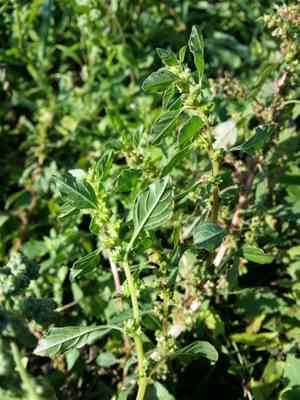
Short-tepalled pigweed flourishes when relocated between late spring and mid-summer, as it benefits from warmer ground and ample daylight. An ideal spot should provide abundant sunlight and soil that drains effectively. To achieve optimal outcomes, verify that the site is devoid of frost and surplus dampness.
What Preparations are Needed Before Transplanting Short-tepalled Pigweed?
What is the Ideal Time for Transplanting Short-tepalled Pigweed?
The best period for relocating short-tepalled pigweed spans from late spring to mid-summer. During this timeframe, soil warmth and ample sunlight promote robust root development. Transplanting short-tepalled pigweed then ensures strong establishment, minimizing risks from temperature shifts and boosting overall plant vitality and yield.
How Much Space Should You Leave Between Short-tepalled Pigweed Plants?
When moving short-tepalled pigweed, ensure each plant is positioned 12-18 inches (30-45 cm) apart. This provides sufficient room for growth and air circulation, which helps prevent disease and supports healthy development.
What is the Best Soil Mix for Short-tepalled Pigweed Transplanting?
For short-tepalled pigweed, select a well-draining, loamy soil with a pH between 6.0 and 7.5. Prior to transplanting, mix in a balanced fertilizer rich in nitrogen, phosphorus, and potassium to give the plants a strong start.
Where Should You Relocate Your Short-tepalled Pigweed?
Place short-tepalled pigweed in a spot that receives direct sunlight for at least 6-8 hours daily. Ensuring ample sun exposure will help them develop vigorously and healthily.
What Equipments Should You Prepare Before Transplantation Short-tepalled Pigweed?
Gardening Gloves
To safeguard your hands while handling soil and plants.
Shovel or Spade
For excavating the plant and preparing the new planting site.
Garden Trowel
Used for more precise digging around the root ball.
Watering Can or Hose
To hydrate the plant before and after its relocation.
Pruning Shears
To trim any damaged or excessively long roots.
Mulch
To aid in retaining soil moisture and regulating plant temperature.
Wheelbarrow
Optional, for easy transport of the plant, especially from a pot or seedling tray.
How Do You Remove Short-tepalled Pigweed from the Soil?
How Do You Remove Short-tepalled Pigweed from the Soil?
From Ground: First, moisten the soil around the short-tepalled pigweed plant. Then, dig a wide trench around the plant with a shovel or spade, ensuring the root ball remains intact. Carefully work the spade beneath the root ball to lift the plant from its original spot.From Pot: Water the short-tepalled pigweed plant to facilitate its removal from the pot. Tap the pot's sides to loosen the soil and roots. Gently slide the plant out, supporting the root ball with your hand.From Seedling Tray: Water the seedling tray to make the soil easier to manage. Use a garden trowel or your fingers to carefully lift seedlings, taking care to keep their root systems undamaged.
Step-by-Step Guide for Transplanting Short-tepalled Pigweed
Prepare the New Site
Dig a hole twice as wide and as deep as the plant's root ball to provide ample space for root expansion.
Add Soil Amendments
If needed, enrich the soil with compost to enhance drainage and nutrient content.
Transplant the Plant
Place the short-tepalled pigweed plant into the prepared hole, ensuring the top of the root ball is level with the surrounding soil. Backfill the hole with soil and gently press down to eliminate air pockets.
Water Thoroughly
Immediately water the newly transplanted short-tepalled pigweed plant to help settle the soil around its roots.
Apply Mulch
Spread a layer of mulch around the plant's base to help retain moisture and regulate soil temperature.
How Do You Care For Short-tepalled Pigweed After Transplanting?
Watering
Keep the soil around the short-tepalled pigweed consistently damp, but not waterlogged, for the initial weeks post-transplant to encourage strong root development.
Mulching
Replenish mulch as necessary to maintain a 2-3 inch layer, which will aid in moisture retention and weed suppression.
Monitoring
Observe for indications of transplant shock, such as wilting or yellowing leaves, and adjust watering as required.
Troubleshooting Common Issues with Short-tepalled Pigweed Transplantation.
How should I prepare the soil before transplanting short-tepalled pigweed?
Ensure well-drained soil enriched with organic compost, aiming for a pH between 6.0 and 7.5.
When is the best time to transplant short-tepalled pigweed?
Relocate short-tepalled pigweed from late spring to mid-summer for optimal growth.
What spacing should I maintain when transplanting short-tepalled pigweed?
Space short-tepalled pigweed seedlings 12-18 inches (30-45 cm) apart for healthy development.
How deeply should I plant short-tepalled pigweed seedlings?
Plant seedlings at the same depth they were growing in their original containers.
How do I avoid transplant shock when moving short-tepalled pigweed?
Water thoroughly before and after transplanting and avoid disturbing the root ball.
What kind of watering schedule should I follow after transplanting short-tepalled pigweed?
Keep the soil consistently moist but not waterlogged for the first few weeks.
Should I provide any shade after transplanting short-tepalled pigweed?
Yes, offer temporary shade for a few days to help short-tepalled pigweed acclimate to its new environment.
What should I do if short-tepalled pigweed leaves turn yellow after transplanting?
Check for over-watering, ensure proper soil drainage, and inspect for nutrient deficiencies.
How do I handle pests when transplanting short-tepalled pigweed?
Regularly inspect for pests and use organic insecticides or neem oil if needed.
Can I transplant short-tepalled pigweed in an area with partial shade?
Yes, short-tepalled pigweed can tolerate partial shade but performs best in full sunlight.



