How to Transplant European madwort?
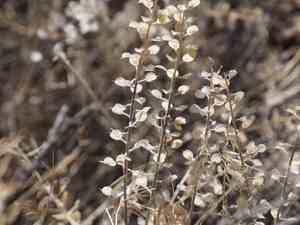
For the lively european madwort, the period spanning from the crispness of early spring to the mild temperatures of mid-spring is ideal. Select a bright area featuring soil that drains effectively. Carefully place european madwort into its new position to ensure a smooth adjustment and successful blooming.
What Preparations are Needed Before Transplanting European Madwort?
What is the Ideal Time for Transplanting European Madwort?
The perfect time for moving european madwort is from late winter to mid-spring. This period allows european madwort to establish its root system before the summer heat. By transplanting european madwort during this window, you take advantage of the cool yet rising temperatures, which are crucial for root development without the stress of intense heat. This strategic timing ensures european madwort gets a strong start, leading to a thriving life cycle. This practice aligns with nature's rhythm, supporting european madwort's natural growth patterns and enhancing your garden's vitality.
How Much Space Should You Leave Between European Madwort Plants?
When preparing to rehome your european madwort, aim to position them approximately 6-9 inches (15-23 cm) apart. This adequate spacing provides each plant sufficient room to thrive without becoming overly crowded.
What is the Best Soil Mix for European Madwort Transplanting?
To prepare the ground for european madwort, select a well-draining soil that is somewhat light. Enriching it with a balanced starter fertilizer will provide your young plants with a nutritional boost. Think of it as preparing a cozy, nutrient-rich bed for a seedling's nap!
Where Should You Relocate Your European Madwort?
Sunlight is a great ally for european madwort! Locate a spot in your garden that receives full sun to partial shade. This ample sunlight will help your small green companions grow robust and lively.
What Equipments Should You Prepare Before Transplantation European Madwort?
Gardening Gloves
To safeguard your hands while handling soil and plants.
Trowel
For digging small holes and minor excavation tasks during transplantation.
Shovel or Spade
For carefully digging up the plant with minimal root disturbance.
Watering Can or Hose
To hydrate the plant both before and after its relocation.
Wheelbarrow
For transporting european madwort if it's large, or for moving soil or compost.
Pruning Shears
To remove any dead or excess plant parts prior to transplanting.
Garden Fork
To assist in loosening the soil around the plant's roots when extracting it from its original spot.
How Do You Remove European Madwort from the Soil?
How Do You Remove European Madwort from the Soil?
From Ground: Start by watering the european madwort to moisten the soil around its roots, which aids in easier extraction. Use a spade to dig a wide area around the plant, ensuring to include the entire root ball. Gently slide the spade under the root ball to lift the plant freely from the soil.From Pot: Water the soil in the pot beforehand. Turn the pot on its side, hold the plant by its base, and tap the bottom of the pot to loosen the plant. If it doesn't come out easily, run a trowel around the inner edge of the pot to free the root ball.From Seedling Tray: Water the tray to ensure the soil is damp and roots are less prone to breaking. Use a spoon or a dibbler to carefully lift each seedling by its leaves, not its stem, and ease it out of the tray, keeping roots and surrounding soil intact.
Step-by-Step Guide for Transplanting European Madwort
Prepare the New Site
Before removing european madwort from its current spot, prepare the new planting location by loosening the soil and adding any necessary amendments suitable for plants similar to european madwort.
Extracting european madwort
Follow the appropriate removal method based on whether european madwort is in the ground, a pot, or a seedling tray to gently extract the plant with as much of the root ball as possible.
Transitioning
Handle european madwort with care to prevent damage to its roots or stems during the move. If european madwort must be out of soil for a period, ensure its roots remain moist and shaded.
Planting
Dig a hole in the prepared site that matches the depth of the root ball and is twice its width. Position european madwort in the hole so the top of the root ball is level with the ground. Gently backfill the hole and pat down the soil to eliminate air pockets.
Watering
After planting european madwort, water it thoroughly to help settle the soil around the roots and aid in recovery from transplant shock.
How Do You Care For European Madwort After Transplanting?
Staking
If european madwort is tall or in a windy area, consider providing stakes for extra support until it becomes established.
Mulching
Apply a layer of mulch around european madwort to help maintain soil moisture and regulate soil temperature.
Monitoring
Observe european madwort for any signs of stress, such as wilting or discolored leaves, and address issues promptly.
Adjusting
Be ready to offer shade or wind protection during the initial weeks if extreme weather conditions are anticipated.
Troubleshooting Common Issues with European Madwort Transplantation.
What's the best time to transplant european madwort?
Transplant european madwort during the ideal window of early to mid-spring for optimal growth.
How far apart should I space european madwort when transplanting?
Ensure european madwort has ample room to thrive by spacing them 6-9 inches (15-23 cm) apart.
Can I transplant european madwort in full sunlight?
Absolutely! European madwort flourishes in full sunlight, so choose a sunny location for transplantation.
What soil conditions favor european madwort after transplanting?
Plant european madwort in well-draining soil to prevent root rot and encourage healthy development.
How do I water european madwort post-transplant?
Keep the soil of european madwort moist but not waterlogged, gradually reducing watering as it establishes.
What depth should I plant european madwort when transplanting?
Transplant european madwort so the root ball is flush with the surrounding soil for best outcomes.
Should I fertilize european madwort after transplanting?
A mild application of a balanced fertilizer can help european madwort settle well in its new environment.
How do I prevent transplant shock in european madwort?
Gradually acclimate european madwort to outdoor conditions over several days to minimize transplant shock.
Is it necessary to prune european madwort when transplanting?
Trimming damaged leaves can encourage european madwort to direct energy towards root establishment.
How can I tell if european madwort isn't taking well to transplanting?
Yellowing leaves or stunted growth in european madwort may indicate transplant stress or unfavorable conditions.



