How to Prune European madwort?
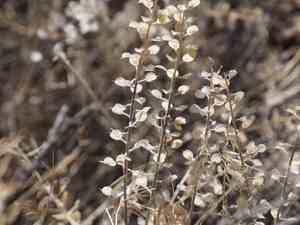
Celebrated for its hardiness, european madwort flourishes across diverse environments. Perform a gentle trim following the initial spring blossoms to stimulate a subsequent flowering. Throughout the summer, eliminate spent stalks to sustain the plant's vitality and sculpt it as preferred. In autumn, a more substantial reduction manages its dimensions and deters self-propagation. Trimming amplifies flowering and regulates expansion, which is crucial for stopping this robust proliferator from becoming intrusive.
What Are the Benefits of Pruning European Madwort?
What Are the Benefits of Pruning European Madwort?
Trimming european madwort promotes robust development by eliminating dead or overgrown branches, which enhances air circulation and light exposure. This helps preserve the plant's form for aesthetic appeal and overall garden design integration.
What Is the Best Time for Pruning European Madwort?
What Is the Best Time for Pruning European Madwort?
Pruning european madwort is optimally done during Spring, Summer, and Fall to coincide with the plant's active growth phases. In Spring, trimming stimulates vigorous new growth following winter dormancy. During Summer, it's advantageous to prune european madwort to maintain its shape, remove any diseased or dead foliage, and improve air circulation within the plant, which fosters overall plant health and deters pests and diseases. Fall pruning allows european madwort to recover before winter's arrival, while removing spent flowers or seed heads can reduce self-seeding and control the plant's spread if desired. Avoid winter pruning to prevent frost damage on fresh cuts, which can negatively impact european madwort's health.
What Tools Do I Need to Prune European Madwort?
Hand Pruners or Secateurs
These are perfect for snipping off faded blooms and trimming small stems on european madwort. Their precise cutting ability enables targeted pruning without harming nearby healthy growth.
Gardening Shears or Scissors
For maintaining shape and encouraging bushier growth, gardening shears can be used to trim the foliage of european madwort more extensively yet delicately enough to avoid significant plant damage.
Pruning Snips
These are ideal for deadheading european madwort, as they can access tight spaces without disturbing the rest of the plant. Deadheading will encourage more blooms and keep the plant healthy.
Gloves
While european madwort does not typically have thorns, wearing gloves can protect your hands from potential skin irritants found on plants or in the soil.
How to Prune European Madwort
Sanitize
Before starting the pruning process, ensure all pruning tools are thoroughly disinfected to prevent disease transmission to european madwort.
Identify
Carefully examine european madwort to locate withered leaves, which appear brown, dry, and lifeless, as these will be the focus of the pruning.
Trim
Using sharp and sanitized pruning shears, snip off the withered leaves at their base where they meet the stem or from their point of origin, being careful not to damage the healthy parts of european madwort.
Clean
After removing the withered leaves, clear away all cuttings from around european madwort to maintain a tidy growing area and reduce the risk of pests and disease.
Monitor
Regularly observe european madwort after pruning for signs of new growth or further wilting, adjusting care and maintenance routines to promote the plant's health and vitality.
Common Pruning Mistakes with European Madwort
Over-pruning
Removing too much foliage from european madwort at once can stress the plant and hinder its ability to photosynthesize effectively.
Cutting too close
Cutting too near the main stem or bud can damage european madwort's growth points and lead to disease or stunted growth.
Using dull tools
Employing blunt or dirty pruning equipment can result in jagged cuts that are more vulnerable to pests and diseases, and can harm european madwort overall.
Ignoring dead or diseased sections
Failing to remove dead or diseased growth can prevent european madwort from directing energy to healthy parts, diminishing its vigor and blooming potential.
Common Pruning Tips for European Madwort
Selective thinning
Thin out european madwort selectively to enhance airflow and light penetration, which promotes healthy growth without significantly altering the plant's natural shape.
Disinfect tools
Clean and disinfect pruning tools before and after use to prevent the spread of disease to or from european madwort.
Angled cuts
Make clean, diagonal cuts when pruning european madwort to allow water to drain off the cut surface, reducing the risk of disease.
Pruning for shape
Prune european madwort to maintain its desired form and encourage denser foliage. This can also enhance its visual impact in the landscape.



