How to Transplant Alsophila vieillardii?
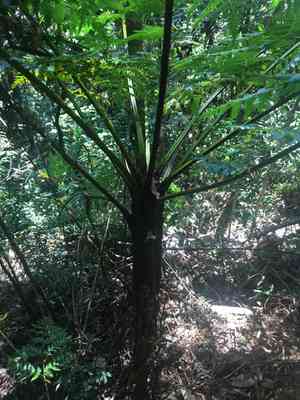
Alsophila vieillardii, a lasting botanical specimen, flourishes when relocated during the prime period of fall. Select a site with partial shade and good drainage to guarantee peak development. Bear in mind that careful manipulation reduces root trauma, fostering a robust acclimatization.
Essential Preparations Before Relocating Alsophila Vieillardii?
Optimal Period for Relocating Alsophila Vieillardii?
Alsophila vieillardii, a perennial species, thrives best when moved in mid to late autumn. This timing allows roots to settle in cooler, damp soil, avoiding intense summer heat. Transplanting then ensures vigorous spring growth, establishing a stronger, more resilient plant.
Required Spacing Between Alsophila Vieillardii Specimens?
When relocating alsophila vieillardii, ensure a 4-6 foot (1.2-1.8 meters) gap between plants. This provides ample room for development and promotes good air circulation, minimizing disease risk.
Preferred Soil Mixture for Alsophila Vieillardii Relocation?
Ensure the substrate drains well and is rich in organic material. Incorporating a foundational fertilizer like compost or a balanced 10-10-10 (NPK) blend will give alsophila vieillardii an excellent start. Thoroughly mix the compost or fertilizer into the top 6 inches (15 cm) of soil.
Ideal New Location for Your Alsophila Vieillardii?
Alsophila vieillardii flourishes in partial to full sun exposure. Choose a spot where your plants will receive filtered sunlight or be shaded during the day's hottest hours. This will aid in their robust and healthy development.
Tools Required Before Relocating Alsophila Vieillardii?
Gardening Gloves
To safeguard your hands while handling soil and the plant.
Shovel or Spade
For excavating the new planting site and digging around the plant's original position.
Watering Can or Hose
For thoroughly hydrating the plant before and after its relocation.
Trowel
To assist in lifting smaller plants or positioning the plant in its new spot.
Pruning Shears
For trimming any damaged roots or foliage prior to transplanting.
Compost or Organic Matter
To enrich the new planting hole and supply essential nutrients.
How to Extract Alsophila Vieillardii from its Current Location?
How to Extract Alsophila Vieillardii from its Current Location?
From Ground: First, moisten the soil around the alsophila vieillardii plant. Then, use a shovel or spade to dig a wide trench around the plant, keeping the root ball intact. Carefully work the spade beneath the root ball to lift the plant from its original spot.From Pot: Begin by thoroughly watering the alsophila vieillardii plant, then gently squeeze the pot's sides to loosen the soil. Hold the plant's base and tilt the pot to slide the plant out. If it resists, use a trowel to carefully loosen the edges.From Seedling Tray: Water the seedling tray thoroughly. Using a trowel or your fingers, gently lift each alsophila vieillardii seedling, ensuring as much of the root system remains intact as possible.
Step-by-Step Guide for Relocating Alsophila Vieillardii
Hole Preparation
Excavate a hole at the new site that is twice the width and equal in depth to the alsophila vieillardii's root ball.
Soil Enhancement
Incorporate compost or organic material into the soil removed from the hole to provide nourishment.
Plant Placement
Position the alsophila vieillardii centrally in the hole, ensuring the top of the root ball is level with or slightly above the surrounding ground.
Backfilling
Refill around the root ball with the enriched soil, gently pressing to eliminate air pockets.
Hydration
Thoroughly water the alsophila vieillardii immediately after planting to help the soil settle around the roots.
Post-Transplant Care for Alsophila Vieillardii?
Watering
Maintain consistent moisture in the soil around the alsophila vieillardii, avoiding saturation, for several weeks post-transplant to encourage strong root development.
Mulching
Apply a layer of mulch around the base of the alsophila vieillardii to conserve moisture and stabilize soil temperature.
Observation
Regularly inspect for indications of stress or pest infestations and address them promptly to ensure the alsophila vieillardii's well-being.
Resolving Common Issues with Alsophila Vieillardii Relocation.
When is the best time to transplant alsophila vieillardii?
The most opportune time to relocate alsophila vieillardii is during mid to late autumn for optimal growth.
How much space should I leave between alsophila vieillardii plants?
Ensure each alsophila vieillardii plant is spaced 4-6 feet (1.2-1.8 meters) apart for proper growth.
What type of soil is ideal for alsophila vieillardii?
Alsophila vieillardii prefers well-draining, rich soil with plenty of organic matter for best results.
How do I prepare alsophila vieillardii for transplanting?
Gently dig around alsophila vieillardii to avoid root damage, retain soil around roots and water thoroughly.
What should I do if the leaves of alsophila vieillardii wilt after transplanting?
Keep the soil consistently moist and provide shade to reduce transplant shock for alsophila vieillardii.
How deep should I plant alsophila vieillardii after transplanting?
Plant alsophila vieillardii at the same depth it was previously growing, ensuring roots are covered.
Can I transplant alsophila vieillardii during summer?
It's best to avoid transplanting alsophila vieillardii in summer as it may cause heat stress.
How often should I water alsophila vieillardii after transplanting?
Water alsophila vieillardii deeply and regularly, ensuring the soil remains moist but not waterlogged.
What type of fertilizer should I use after transplanting alsophila vieillardii?
Use a balanced, slow-release fertilizer to support alsophila vieillardii’s establishment after transplanting.
How can I reduce transplant shock for alsophila vieillardii?
Transplant alsophila vieillardii in cooler weather, water well, and provide partial shade to ease the transition.



