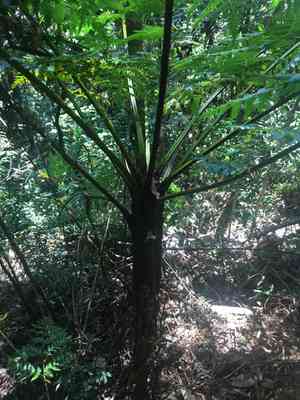
Alsophila vieillardii (Alsophila vieillardii)
Also known as: Vieillard's Tree Fern
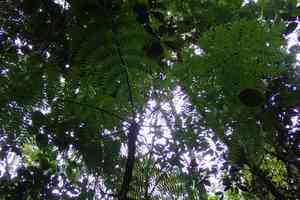
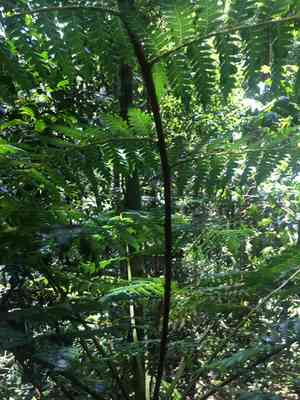
Alsophila vieillardii is a striking tree fern characterized by a slender, erect trunk that supports a crown of arching, lacy fronds. These fronds are typically large and pinnate, unfurling from rolled-up coils that contribute to the plant's ornamental appeal. Native to humid forest environments, alsophila vieillardii flourishes under the canopy, utilizing the moist, shaded conditions to sustain its lush, green growth. Evoking a primordial elegance, alsophila vieillardii adds a touch of the ancient and exotic to its surroundings.
In This Article
Attributes of Alsophila vieillardii
Lifespan
Perennial
Plant Type
Fern
Plant Height
Up to 15 meters
Spread
2 to 4 meters
Leaf Color
Dark green
Flower Size
N/A
Flower Color
N/A
Images of Alsophila vieillardii
Quickly Identify Alsophila vieillardii
1
To identify Alsophila vieillardii, look for its towering trunk and large, arching fronds. The leaves are typically dark green and finely divided. The trunk is usually covered in dense scales.
Scientific Classification of Alsophila vieillardii
Phylum
Vascular plants
Class
Ferns
Order
Cyatheales
Family
Tree ferns
Genus
Alsophila
Species
Alsophila vieillardii
Planting and Growing of Alsophila vieillardii
Care Difficulty
Hard
Watering Schedule
Every 4 days
Sunlight Requirements
Partial sun
Sunshine Duration
6-10 hours
Ideal Temperature
65-75℉
Soil Type
Potting Mix, Peat Mix
Soil pH
6.5-7.5
Fertilizer Type
Balanced
Pruning Season
Spring, Summer
Pruning Area
Leaves, Branches
Pruning Frequency
2 times a year
Repotting Season
Spring
Pot Type
Plastic, Ceramic
 How to Water Alsophila vieillardii?
Alsophila vieillardii requires watering until the top 2-3 inches of soil are thoroughly moist. This ensures the surface roots receive adequate water without waterlogging the deeper roots. Always use around 500 ml of water to achieve optimal moisture levels.
What are the symptoms of an underwatered Alsophila vieillardii?
›
What should I do if my Alsophila vieillardii is not getting enough water?
›
What are the symptoms of an overwatered Alsophila vieillardii?
›
How to save an overwatered Alsophila vieillardii?
›
 What Are the Sunlight Requirements for Alsophila vieillardii?
Alsophila vieillardii thrives under partial sun conditions, ideally receiving two to four hours of gentle sunlight per day. This balance promotes healthy growth, vibrancy, and resilience against environmental stresses, ensuring optimal plant health.
How much sunlight is optimal for Alsophila vieillardii?
›
What solutions can be implemented to provide ideal light?
›
What are the benefits of achieving ideal light conditions?
›
 What Is the Ideal Temperature Range for Alsophila vieillardii?
The ideal temperature range for cultivating Alsophila vieillardii, a type of tree fern, typically lies between 65°F and 75°F. This range allows the plant to maintain optimal physiological activities, ensuring proper growth and photosynthesis. Keeping within this temperature range minimizes stress and promotes the vibrant, healthy green foliage for which this fern is known.
 What Soil is Best for Alsophila vieillardii?
Alsophila vieillardii thrives in well-drained soils that allow excess water to escape quickly, preventing root rot and promoting healthy growth. This soil condition mimics its natural habitat and supports its unique moisture requirements. This fern species benefits from a nutrient-rich soil mix that can sustain nutrient uptake for lush foliage. Providing organic matter such as compost enhances soil fertility, ensuring optimal growth and vigor. Although well-drained, the soil should retain consistent moisture to cater to the plant's water needs. Regular monitoring and adjustment of watering intervals can maintain this balance, ensuring the fern remains hydrated without waterlogging.
 How to Fertilize Alsophila vieillardii?
Alsophila vieillardii requires careful attention to the amount of fertilizer applied. Use a balanced liquid fertilizer diluted to half strength every two weeks during the growing season. For slow-release fertilizers, apply at the recommended rate of the package divided into three applications per year. Always observe the plant's response to adjust accordingly.
 How to Prune Alsophila vieillardii?
Start by inspecting the fronds and identifying those that are dead, dry, or damaged. Use clean, sharp pruning shears to cut these fronds at their base, close to the trunk. Be sure to make clean cuts to avoid damaging the plant. To shape Alsophila vieillardii, selectively remove some of the older fronds to allow younger ones to come through. Always cut at an angle and leave enough of the base to ensure you don't damage the main structure.
More About Pruning Techniques→
 How to Propagate Alsophila vieillardii plant?
1
Prepare a soil mix that mimics the natural habitat of Alsophila vieillardii. A mixture of peat, sand, and orchid bark can work well. This provides adequate drainage and aeration which are crucial for seed germination.
2
Sow the Alsophila vieillardii seeds on the surface of the prepared soil. Do not cover them too deeply, as they require light to germinate. A light misting will help keep them in place and provide the necessary moisture for sprouting.
3
Place the seed trays under a humidity dome or inside a greenhouse. Regularly check the humidity levels and maintain them at around 70-80%. This high humidity is crucial for preventing seed desiccation and encouraging germination.
 How to Repot Alsophila vieillardii plant?
1
Repot Alsophila vieillardii when you notice root-bound symptoms, such as roots growing out of the drainage holes or the plant stopping its growth spurts. This usually happens every 2-3 years. Spring and Summer are ideal, as the plant is actively growing and more capable of handling the transfer shock.
2
Select a pot that is one size larger than the current one, ensuring it has ample drainage holes to prevent waterlogging. The extra space allows roots to grow while reducing the risk of root rot, promoting healthier growth.
3
Opt for a well-draining rich soil mix, ideally with organic matter and some sand or perlite for aeration. This type of soil mimics the plant's natural habitat, enhances root respiration, and prevents water retention, ensuring healthy growth.
Learn More About Alsophila vieillardii Diseases
Anthracnose
Bacterial Leaf Spot
Bacterial Soft Rot
Bacterial Wilt
Black Spot
Chemical Injury
Damping-off
Downy Mildew
Drought Stress
Fusarium Wilt
Gray Mold
Leaf Curl
Leaf Spot
Mosaic
Nutrient Deficiency
Nutrient Toxicity
Powdery Mildew
Root Rot
Rusts
Sooty Mold
Spider Mites
Temperature Stress
Thrips Damage
White Mold



