How to Transplant Broadstemmed onion?
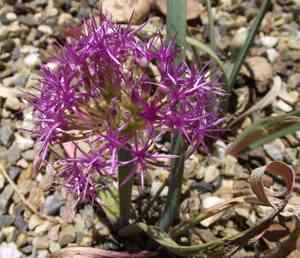
The ideal period for transplanting broadstemmed onion spans from the latter part of spring through mid-summer, capitalizing on robust development. Choose a location bathed in sunlight that offers effective drainage. Handle the root system with care to preserve its structure.
What Preparations are Necessary Before Relocating Broadstemmed Onion?
When is the Best Time to Move Broadstemmed Onion?
The optimal period to transplant broadstemmed onion spans from the refreshing warmth of late spring through the peak of summer. Moving broadstemmed onion during this timeframe enables them to develop strong root systems during extended, sun-drenched days, establishing a firm base for thriving growth in your garden. Abundant sunlight and moderate temperatures create an ideal environment for broadstemmed onion to flourish, ensuring a smooth transition and fostering robust development.
What Spacing is Recommended Between Broadstemmed Onion Plants?
Greetings, gardening enthusiast! Before moving your broadstemmed onion to their new location, you'll want to provide ample room for development. Aim to space them approximately 4-6 inches (10-15 cm) apart. This clearance ensures they have sufficient area to grow large and vigorous!
What is the Optimal Soil Blend for Broadstemmed Onion Transplanting?
For your broadstemmed onion, a soil rich in organic material will result in very content plants! Prior to transplanting, incorporate a well-balanced, slow-release fertilizer to nourish your broadstemmed onion. A suitable foundation would be loamy soil with compost mixed in to maintain fertility.
Where Should You Replant Your Broadstemmed Onion?
Sunlight is a beneficial element for broadstemmed onion! Select a garden spot that receives ample sunlight. A location that gets full sun for at least 6-8 hours daily will be perfect for these sun-loving plants. It's their equivalent of a day at the beach!
What Tools Should You Prepare Before Transplanting Broadstemmed Onion?
Gardening Gloves
To safeguard your hands while handling soil and plants.
Spade or Shovel
For excavating the plant from its original spot and preparing the new planting site.
Garden Trowel
For more precise digging and maneuvering around the root mass.
Garden Fork
To loosen the soil surrounding the root ball without causing significant root damage.
Watering Can or Hose with Nozzle
To thoroughly water the plant before and after relocation.
Wheelbarrow or Garden Cart
For transporting the plant and soil if needed.
Pruning Shears
To trim any damaged or excessively long roots.
Measuring Tape
To ensure correct spacing between transplanted plants.
Mulch
To aid in moisture retention and weed suppression around the new planting area.
How Do You Extract Broadstemmed Onion from the Soil?
How Do You Extract Broadstemmed Onion from the Soil?
From Ground: Hydrate the broadstemmed onion plant to moisten the soil. Dig a wide circle around the plant using a shovel or spade without disturbing the root mass. Gently work the spade beneath the root ball and carefully lift the plant from the ground.From Pot: Water the broadstemmed onion to ensure the soil is damp and easier to manage. Turn the pot on its side and gently tap to loosen the plant. Grasp the base of the plant and carefully ease it out, supporting the root ball with your other hand.From Seedling Tray: Moisten the soil in the tray to minimize root disturbance. Use a garden trowel or your fingers to gently remove each broadstemmed onion seedling by lifting from the stem's base and supporting the root ball.
Step-by-Step Guide for Relocating Broadstemmed Onion
Initial Preparation
Thoroughly water your broadstemmed onion plant before commencing the transplanting process to ensure it is well-hydrated.
Excavation
Carefully dig around the broadstemmed onion, ensuring to leave a generous amount of soil attached to the root ball. Utilize garden tools such as a spade or a fork, depending on the soil's consistency.
Root Ball Care
Inspect the root ball after removal. Use pruning shears to trim any damaged or overly long roots.
Planting Hole
Dig a hole in the new location that is twice the width of the root ball and of the same depth. Loosen the surrounding soil using a garden fork.
Placement
Position the broadstemmed onion in the new hole, ensuring it is at the same level it was previously growing. Fill in around the plant with soil, gently tamping down to eliminate air pockets.
Initial Watering
Water the broadstemmed onion immediately after transplanting to settle the soil around its roots.
Mulching
Apply a layer of mulch around the base of broadstemmed onion to help retain soil moisture and deter weeds.
How Do You Care For Broadstemmed Onion After Relocation?
Watering
Ensure the soil around the broadstemmed onion remains consistently moist for the initial few weeks to aid root establishment in its new spot. Avoid excessive watering to prevent root rot.
Staking
If the broadstemmed onion is tall or situated in a windy area, gently stake the plant to provide support while it establishes itself.
Monitoring
Observe the foliage of your broadstemmed onion for indications of transplant shock, such as wilting or leaf drop. Provide shade or wind protection if necessary.
Pruning
Trim any foliage that was damaged during the transplant process to allow the broadstemmed onion to direct its energy towards developing new roots.
Troubleshooting Common Issues with Broadstemmed Onion Relocation.
What's the ideal time to transplant broadstemmed onion?
The best time is after the last frost in late spring to early summer for optimal root development.
How far apart should I space broadstemmed onion when transplanting?
Ideally, space them 4-6 inches (10-15 cm) apart, allowing ample room for growth and air circulation.
How deep should the hole be for transplanting broadstemmed onion?
Dig a hole as deep as the root ball, typically around 2-3 inches (5-7.5 cm).
Why are the leaves of my transplanted broadstemmed onion wilting?
Wilting may indicate transplant shock. Ensure adequate watering and avoid direct sun for a few days.
Can I transplant broadstemmed onion in very hot weather?
It's preferable to transplant during cooler parts of the day or on overcast days to minimize stress on broadstemmed onion.
How much should I water broadstemmed onion after transplanting?
Water thoroughly after transplanting to settle soil around roots, then maintain consistent moisture without overwatering.
Should I fertilize broadstemmed onion after transplanting?
Wait a few weeks before fertilizing to prevent root burn, then use a balanced fertilizer.
How can I protect my newly transplanted broadstemmed onion?
Mulch around the base to retain moisture and regulate soil temperature, keeping the mulch away from stems.
What soil conditions does broadstemmed onion prefer for successful transplanting?
Broadstemmed onion thrives in well-drained soil, enriched with organic matter to promote healthy growth.
How do I know if broadstemmed onion is successfully acclimating after transplant?
Look for new growth and the absence of wilting or yellowing leaves as positive indicators of acclimatization.



