How to Transplant Mexicali onion?
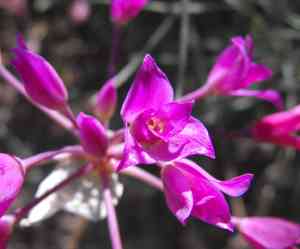
Mexicali onion flourishes when relocated in the revitalizing period from late spring to early summer, facilitating ideal root development. Select a bright, adequately drained spot for prosperous cultivation. Carefully move the plant to prevent root disruption.
What Preparations are Needed Before Transplanting Mexicali Onion?
What is the Ideal Time for Transplanting Mexicali Onion?
The best period for relocating mexicali onion is from late spring to early summer. This timing allows the plant to establish itself prior to the intense summer heat and benefits from warmer soil and increased sunlight. Moving mexicali onion during this window promotes strong root development and overall plant vitality, leading to robust, perennial growth.
How Much Space Should You Leave Between Mexicali Onion Plants?
When moving mexicali onion, ensure each plant is spaced 4-6 inches (10-15 cm) apart. This spacing provides ample room for growth and facilitates adequate air circulation.
What is the Best Soil Mix for Mexicali Onion Transplanting?
For optimal growth, prepare well-drained sandy or loamy soil enriched with organic compost. A balanced base fertilizer, such as 10-10-10 (N-P-K), should be incorporated before transplanting mexicali onion. This supplies the necessary nutrients for healthy development.
Where Should You Relocate Your Mexicali Onion?
Select a site that receives full sunlight, approximately 6-8 hours daily. Mexicali onion flourishes in sunny locations, so confirm the chosen area is not shaded by larger plants or structures. This maximizes their growth potential and health.
What Equipments Should You Prepare Before Transplantation Mexicali Onion?
Gardening Gloves
To safeguard your hands while handling soil and plants.
Shovel or Spade
For digging a trench around the plant and lifting it from the ground.
Trowel
Useful for excavating smaller holes or working in confined areas.
Garden Fork
Aids in loosening the soil surrounding the plant's roots.
Watering Can or Hose
To hydrate the plant before and after its relocation.
How Do You Remove Mexicali Onion from the Soil?
How Do You Remove Mexicali Onion from the Soil?
From Ground: First, moisten the soil around the mexicali onion plant by watering it. Next, use a shovel or spade to dig a wide trench around the plant, making sure the root ball remains intact. Carefully work the spade beneath the root ball to lift the plant from its original spot.From Pot: Gently water the mexicali onion plant to dampen the potting mix. Invert the pot and tap its sides and bottom to loosen the root ball. Carefully slide the plant out of the pot, supporting the root ball with your hand.From Seedling Tray: Ensure the mexicali onion plant seedling is watered before removal. Use a trowel or small tool to carefully lift each seedling from the tray, aiming to keep as much soil around the roots as possible. Handle the seedlings by their leaves to prevent damage to the delicate stems.
Step-by-Step Guide for Transplanting Mexicali Onion
Prepare the Planting Area
Dig a hole twice as wide and of equal depth to the root ball of your mexicali onion plant. This ensures the roots have loose soil to expand into.
Amend the Soil
Combine the existing soil with compost or other organic material to enhance nutrient quality and drainage.
Transplant the Plant
Position the mexicali onion plant in the center of the hole, ensuring it is at the same depth it was previously growing. Backfill the hole with the amended soil, gently pressing down to eliminate air pockets.
Water Thoroughly
After filling the hole, water the mexicali onion plant thoroughly to settle the soil and help the plant adjust to its new surroundings.
How Do You Care For Mexicali Onion After Transplanting?
Watering
Keep the soil around the mexicali onion consistently moist, but not waterlogged, for the initial few weeks post-transplanting to aid in establishing strong roots.
Mulching
Apply a layer of mulch around the base of the mexicali onion plant to retain moisture and regulate soil temperature.
Monitoring
Regularly inspect the plant for indications of stress or pests and address any issues promptly.
Support
If the mexicali onion plant requires support, gently stake it to help it remain upright while it develops new roots.
Troubleshooting Common Issues with Mexicali Onion Transplantation.
When is the best time to transplant mexicali onion?
Late spring to early summer is optimal for relocating mexicali onion.
How much space should I leave between each mexicali onion plant?
Allow 4-6 inches (10-15 cm) between each mexicali onion plant for ideal growth.
What soil type is best for transplanting mexicali onion?
Mexicali onion prefers well-drained, sandy or loamy soil rich in organic matter.
How deep should mexicali onion be planted?
Plant mexicali onion at the same depth they were growing previously, approximately 1 inch (2.5 cm) deep.
How should I prepare the soil before transplanting mexicali onion?
Loosen the soil and mix in compost or aged manure to enrich it before planting mexicali onion.
How often should mexicali onion be watered after transplanting?
Water mexicali onion thoroughly immediately after transplanting, then maintain consistently moist but not waterlogged soil.
What should I do if mexicali onion leaves start yellowing after transplanting?
Yellowing leaves may indicate overwatering; ensure proper drainage and reduce watering frequency.
Can I transplant mexicali onion in colder months?
Avoid transplanting mexicali onion in colder months; they establish better if moved in late spring or early summer.
How do I handle mexicali onion roots during transplanting?
Handle mexicali onion roots gently to prevent damage; ensure they stay moist throughout the process.
What fertilizer should I use after transplanting mexicali onion?
Apply a balanced, slow-release fertilizer to support mexicali onion's growth post-transplanting.



