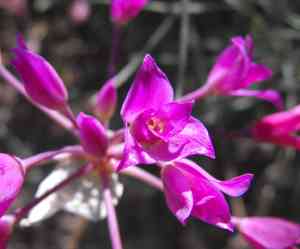
Mexicali onion (Allium peninsulare)
Also known as: Narrowleaf Onion, North Coast Onion
Desert Verbena is characterized by clusters of small purple or pink flowers atop tall, slender stems. This plant is well-adapted to the dry, open environments of the southwestern U.S. Its narrow leaves and robust root system help it thrive in arid conditions with minimal vegetation. The vibrant blooms of Desert Verbena attract numerous pollinators, playing a vital role in its reproduction.
In This Article
Attributes of Mexicali onion
Lifespan
Perennial
Plant Type
Herb
Plant Height
0 mm to 30 cm
Spread
Not applicable; it has an upright stem
Leaf Color
Green
Flower Size
Approximately 1 cm per flower
Flower Color
Pink to purple
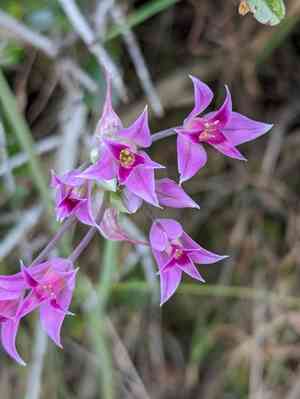
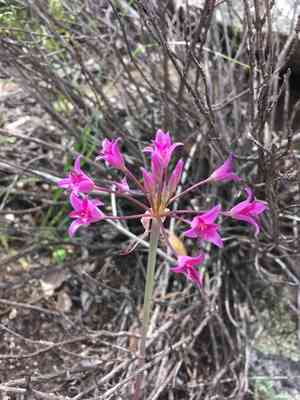
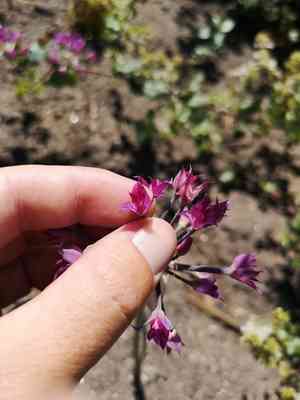
Images of Mexicali onion
Quickly Identify Mexicali onion
1
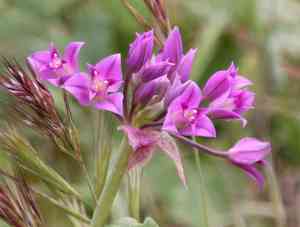
Look for a small bulb at the base of the plant, surrounded by fibrous outer layers. The plant produces a leafy stem and a single flowering stalk carrying clusters of pink to purple flowers.
Scientific Classification of Mexicali onion
Phylum
Vascular plants
Class
Monocotyledons
Order
Asparagales
Family
Amaryllis
Genus
Onions
Species
Mexicali onion
Planting and Growing of Mexicali onion
Care Difficulty
Moderate
Watering Schedule
Every 2 days
Sunlight Requirements
Full sun
Sunshine Duration
6-10 hours
Ideal Temperature
60-75℉
Soil Type
Potting Mix, Peat Mix
Soil pH
6.5-7.5
Fertilizer Type
Balanced
Pruning Season
Spring, Summer
Pruning Area
Branches, Leaves
Pruning Frequency
2 times a year
Repotting Season
Spring
Pot Type
Plastic, Terracotta
 How to Water Mexicali onion?
For Allium peninsulare, it's crucial to water until the soil is moist but not soggy. Aim for around 250 ml of water per session, enough to maintain slightly damp soil without waterlogging the roots, which ensures healthy growth.
What are the symptoms of an underwatered Mexicali onion?
›
What should I do if my Mexicali onion is not getting enough water?
›
What are the symptoms of an overwatered Mexicali onion?
›
How to save an overwatered Mexicali onion?
›
 What Are the Sunlight Requirements for Mexicali onion?
Allium peninsulare prefers full sun exposure, ideally within the 6 to 8 hours range. This ensures strong growth and abundant flowering. Daily sun exposure supports a robust immune system and enhances the plant's vitality.
How much sunlight does Allium peninsulare need daily?
›
What solutions can provide ideal lighting for Allium peninsulare?
›
Benefits of ideal lighting for Allium peninsulare?
›
 What Is the Ideal Temperature Range for Mexicali onion?
Allium peninsulare thrives best in environments where temperatures are consistently between 60°F and 75°F. This range supports optimal metabolic processes and encourages robust growth. Within these temperatures, the plant can efficiently photosynthesize and uptake nutrients, which are crucial for healthy development.
 What Soil is Best for Mexicali onion?
Allium peninsulare thrives in well-drained soil as it prevents root rot and promotes healthy growth. Ensuring the soil allows excess water to escape is crucial for this plant's vitality. Moderate fertility in the soil provides essential nutrients for this plant. It's important not to over-fertilize, as this can lead to excessive foliage and reduced flowering. This plant benefits from soil that retains sufficient moisture without becoming waterlogged. A good balance ensures the roots have consistent access to water.
 How to Fertilize Mexicali onion?
For Allium peninsulare, a quarter-strength liquid fertilizer should be used during the growing season. This ensures that the plant receives adequate nutrients without overloading it. Depending on the growth stage, stick to a consistent but moderate amount to maintain health.
 How to Prune Mexicali onion?
Begin with a pair of sharp, clean pruning shears to avoid damaging the plant or spreading diseases. Make sure your tools are sterilized to promote plant health. Focus on removing any dead or damaged leaves first, as this will prevent any potential diseases from spreading. Additionally, trim any overgrown or awkwardly positioned foliage. Make clean cuts at a 45-degree angle just above a bud or lateral branch. This encourages a more aesthetically pleasing shape and promotes new growth in the desired direction.
More About Pruning Techniques→
 How to Propagate Mexicali onion plant?
1
Begin by preparing a well-draining soil mix, rich in organic matter. Ensure the soil is loose and aerated to support the root development and bulb division necessary for Allium peninsulare.
2
Scatter the seeds evenly in the seed tray filled with the prepared soil. Lightly cover the seeds with a thin layer of soil and gently mist with water to keep the surface moist without waterlogging.
3
Carefully dig around the plant base to expose the bulbs. Gently separate them using the gardening trowel. Each section should have roots and foliage for successful propagation.
 How to Repot Mexicali onion plant?
1
Allium peninsulare should be considered for repotting when it shows signs of being root-bound, such as reduced growth or visible roots from the drainage holes. Early spring or late autumn are ideal times, allowing the plant to adjust before peak growth periods.
2
Select a pot that is 2 inches wider than the current one to allow root expansion without overwhelming the plant. Ensure it has proper drainage holes to prevent waterlogging, crucial for avoiding root rot and supporting healthy development.
3
Opt for a well-drained sandy loam mix, enriched with organic matter, to mimic Allium peninsulare's natural habitat. This enhances nutrient absorption and drainage, crucial for fostering robust growth and vibrant blooms.
Toxicity
Ingestion
WARNING
The judgment on toxicity and danger is for reference only. We DO NOT GUARANTEE any accuracy of such judgment. Therefore, you SHALL NOT rely on such judgment. It is IMPORTANT TO SEEK PROFESSIONAL ADVICE in advance when necessary.



