How to Transplant Field garlic?
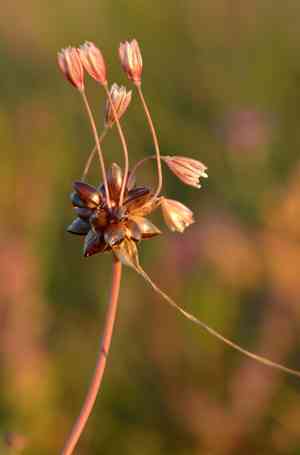
The ideal period for relocating field garlic extends from early spring through its peak flowering, ensuring the best environment for development. Select a location featuring soil that drains effectively and offers partial shade. If required, amend the area to boost the vitality of your field garlic.
Essential Preparations Before Relocating Field Garlic
Optimal Timing for Field Garlic Relocation
The best time to move field garlic is in mid-spring, providing mild conditions perfect for root development. Relocating at this point encourages strong growth due to rising soil temperatures and increasing daylight, which align perfectly with field garlic's natural growth cycle. A helpful tip: utilize the gentle spring days to give your field garlic a head start, allowing its roots to thrive in spring's nurturing environment, setting the stage for a successful season!
Recommended Spacing Between Field Garlic Plants
When moving field garlic, ensure each plant has ample room to thrive. A distance of about 4-6 inches (10-15 cm) between plants is ideal. This prevents competition for vital resources!
Ideal Soil Mixture for Field Garlic Relocation
For flourishing field garlic plants, prepare your garden with well-draining soil rich in organic material. Before planting, incorporate a balanced, slow-release fertilizer to give them an excellent start. Consider it a nourishing meal for your plants!
Selecting a New Location for Your Field Garlic
Choose a sunny spot for your field garlic, as they thrive in sunlight â approximately 6 hours of direct sun daily is perfect! Some afternoon shade is acceptable, ensuring they are protected from intense midday sun.
Tools Required Before Transplanting Field Garlic
Gardening Gloves
To safeguard your hands while handling soil and plants.
Spade or Shovel
For excavating the plant and preparing a new planting site.
Garden Fork
To assist in loosening the soil around the root ball.
Watering Can
To hydrate the plant before and after its relocation.
Hand Trowel
For more precise tasks or smaller plant specimens.
Pruning Shears
To trim any damaged roots or foliage if necessary.
Wheelbarrow or Garden Cart
To easily transport the plant and soil.
Mulch
To help retain moisture and suppress weeds around the new planting area.
Method for Extracting Field Garlic from the Soil
Method for Extracting Field Garlic from the Soil?
From Ground: First, moisten the field garlic's soil with water. Then, dig a wide trench around the plant using a spade or shovel, being careful not to harm the plant's root ball. Gently work the spade beneath the root ball to lift the plant from its original spot.From Pot: Water the field garlic thoroughly. Turn the pot on its side, tap the base, and carefully pull the plant out while supporting the stem's base. Slide the plant out, ensuring the root ball remains intact.From Seedling Tray: Water the tray to moisten the soil. Use a hand trowel or dibbler to gently lift each seedling by pushing up from the cell's bottom, taking care to keep the root ball and soil together.
Detailed Steps for Transplanting Field Garlic
Prepare the New Location
Remove any weeds, rocks, or debris from the site. Loosen the soil in the plant's new spot with a garden fork to encourage root growth.
Dig the Hole
Excavate a hole twice as wide as the root ball and of equal depth to ensure the field garlic is planted at its previous growing level.
Careful Relocation
Position the field garlic's root ball into the hole. Adjust the plant so it stands upright and at the correct depth.
Backfill the Hole
Gently fill the hole with soil around the root ball. Firm the soil down with your hands to eliminate air pockets and provide stability.
Immediate Watering
Water the field garlic generously after planting to help settle the soil around the roots and provide essential moisture for recovery.
Provide Support
If the field garlic is tall or top-heavy, carefully stake it for support. Secure the plant with soft ties that wonât damage the stems.
Apply Mulch
Add a layer of mulch around the base of the field garlic to help retain moisture, regulate soil temperature, and reduce weed competition.
Post-Transplantation Care for Field Garlic
Consistent Watering
Ensure the field garlic receives deep and regular watering as it establishes itself. Avoid allowing the soil to completely dry out.
Growth Monitoring
Observe the field garlic for signs of stress, such as wilting or yellowing leaves, and address issues promptly.
Weed Control
Promptly remove weeds around the field garlic, as they compete for vital nutrients and water needed for the plant's recovery.
Protection Measures
During the initial weeks, shield the field garlic from harsh conditions, such as intense sun or wind, to facilitate its smooth adaptation to the new environment.
Gradual Acclimatization
Allow the field garlic to slowly adjust to its new location by providing partial shade or shelter if necessary for the first few days.
Resolving Common Issues with Field Garlic Transplantation
What is the optimal time to move field garlic?
Relocate field garlic during mid to late spring, when the soil is warm and easy to work with.
What spacing is recommended for transplanted field garlic?
Space field garlic approximately 4-6 inches (10-15 cm) apart to ensure proper growth and air circulation.
How deep should field garlic be planted?
Plant field garlic so its roots are covered, with the base of the green shoots just visible above the soil.
Should I enrich the soil before moving field garlic?
Yes, amend the soil with compost or well-rotted manure to supply nutrients for field garlic.
How much water should field garlic receive after transplanting?
Water generously immediately after transplanting, then regularly to maintain consistent soil moisture.
Why is my relocated field garlic wilting?
Wilting can result from root shock or insufficient watering. Ensure adequate soil moisture and minimize plant stress.
Is it advisable to transplant field garlic on a hot, sunny day?
Transplant during overcast conditions or cooler parts of the day to prevent heat stress and sun shock.
Should I use mulch around my transplanted field garlic?
Mulching helps retain soil moisture, control weeds, and regulate soil temperature around field garlic.
How can I safeguard transplanted field garlic from pests?
Regularly inspect for pests, use physical barriers, or appropriate organic pesticides if needed.
What action should I take if field garlic's leaves yellow after transplanting?
Yellowing leaves may indicate overwatering, nutrient deficiency, or disease. Adjust your care accordingly and check for other symptoms.



