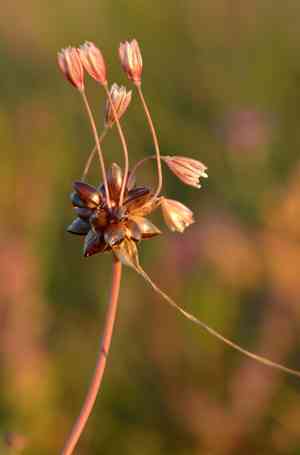
Field garlic (Allium oleraceum)
Also known as: Culinary leek, Paniculate onion
Field garlic (Allium vineale) is a versatile plant with several practical uses. It acts as a natural deterrent for moths and moles, is resistant to deer, and can withstand frost. This self-sustaining perennial herb typically grows in moist fields, along roadsides, and in grassy regions.
In This Article
Attributes of Field garlic
Lifespan
Perennial
Plant Type
Herb
Plant Height
1.3 m
Spread
40 cm
Leaf Color
Green
Flower Size
0.5-1 cm
Flower Color
Pink Yellow Purple Brown
Images of Field garlic
Quickly Identify Field garlic
1
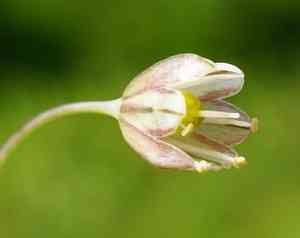
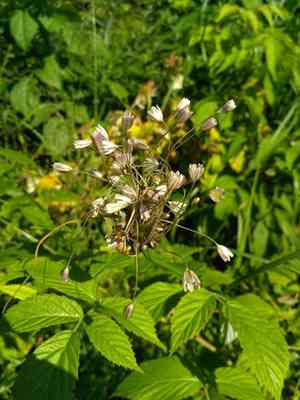
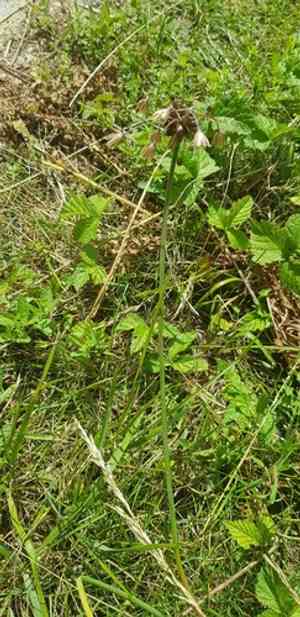
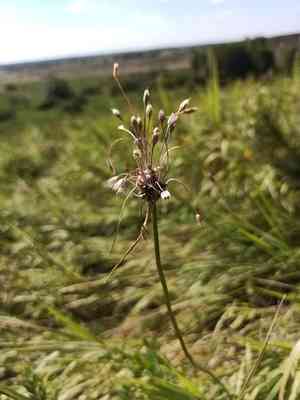
Allium oleraceum can be identified by its narrow, grass-like leaves with a strong garlic scent when crushed. The flowers are small, bell-shaped, and typically purple to pink and form in clusters at the top of a leafless stem. Bulbils (small bulbs) are often present among the flowers.
Scientific Classification of Field garlic
Phylum
Vascular plants
Class
Monocotyledons
Order
Asparagales
Family
Amaryllis
Genus
Onions
Species
Field garlic
Planting and Growing of Field garlic
Care Difficulty
Easy
Watering Schedule
Every 4 days
Sunlight Requirements
Partial sun
Sunshine Duration
6-10 hours
Ideal Temperature
60-70℉
Soil Type
Potting Mix, Peat Mix
Soil pH
6.5-7.5
Fertilizer Type
Balanced
Pruning Season
Spring, Summer
Pruning Area
Branches, Leaves
Pruning Frequency
2 times a year
Repotting Season
Spring
Pot Type
Plastic, Ceramic
 How to Water Field garlic?
The appropriate amount of water for Allium oleraceum is about 250 ml per watering. The principle is to keep the soil consistently moist but not soggy. This means water should drain well, ensuring the water reaches the roots without pooling or causing the soil to become excessively wet.
What are the symptoms of an underwatered Field garlic?
›
What should I do if my Field garlic is not getting enough water?
›
What are the symptoms of an overwatered Field garlic?
›
How to save an overwatered Field garlic?
›
 What Are the Sunlight Requirements for Field garlic?
Partial sun exposure is ideal for Allium oleraceum, providing a balance of light that supports robust leaf growth, healthy flowers, and prevents the stress associated with excess or insufficient sunlight.
More About Sunlight Requirements Techniques→
What is the ideal light for Allium oleraceum?
›
How can you achieve the ideal light conditions?
›
What is the benefit of ideal lighting?
›
 What Is the Ideal Temperature Range for Field garlic?
The ideal temperature range for Allium oleraceum is between 60 and 70 degrees Fahrenheit. This range ensures optimal growth, as it provides a stable environment that mimics its natural habitat.
 What Soil is Best for Field garlic?
Allium oleraceum thrives in well-draining soils, preventing waterlogging that can lead to root rot. This is crucial for its healthy growth, as standing water can suffocate roots and limit nutrient uptake. The plant prefers soils with moderate fertility levels, which offer the essential nutrients without being overwhelmingly rich. This balance promotes robust growth and prevents nutrient burn or weak development. Maintaining adequate moisture in the soil is essential for Allium oleraceum. Proper moisture helps the plant in nutrient absorption and supports its vigorous growth, ensuring lush foliage.
 How to Fertilize Field garlic?
For Allium oleraceum, it's important to use a balanced fertilizer to avoid nutrient burn. A mid-strength solution of liquid fertilizer diluted to half of the recommended concentration is ideal, as the plant is sensitive to over-fertilization. For slow-release fertilizers, apply sparingly to avoid excessive nutrient accumulation in the soil.
 How to Prune Field garlic?
Prune Allium oleraceum during its active growth periods, especially in the Spring and early Summer. This encourages vigorous growth and keeps the plants tidy and manageable. As flowers fade, cut them back to the base. This prevents the plant from expending energy on seed production, redirecting it to root and bulb development instead. Regular pruning helps you maintain the desired shape and size of Allium oleraceum. Trim back overgrown leaves and stems to keep the plant compact and attractive.
More About Pruning Techniques→
 How to Propagate Field garlic plant?
1
Start by preparing a seed tray with well-draining soil. Moisten the soil lightly and scatter the Allium oleraceum seeds over the surface. Cover the seeds with a thin layer of fine soil and mist gently. Place the tray in a warm, well-lit area for germination.
2
In early spring or early autumn, dig around mature Allium oleraceum clumps using a garden fork. Carefully lift and separate the bulbs, ensuring each has roots attached. Replant the divided sections at the same depth in prepared beds.
3
Once seedlings are robust enough to handle, transplant them into individual pots or directly into the garden. Ensure they are spaced adequately to allow for growth and provide them with consistent moisture during establishment.
 How to Repot Field garlic plant?
1
Observe the Allium oleraceum for signs such as roots growing through the drainage holes or a compacted root system. Also, if the plant looks overcrowded or the growth rate has noticeably slowed, these are clear indicators it's time for repotting.
2
Select a pot that is one size larger than the current one, ensuring it has adequate drainage holes. A pot that is too large may retain excess moist, leading to root rot, while the right size ensures healthy growth and sustainability.
3
Opt for a well-draining sandy loam mix rich in organic matter. This type of soil provides the aeration required for healthy root systems, promotes drainage, and prevents waterlogging which is crucial for Allium species.
Learn More About Field garlic Diseases
Anthracnose
Bacterial Leaf Spot
Bacterial Soft Rot
Bacterial Wilt
Chemical Injury
Damping-off
Downy Mildew
Drought Stress
Fusarium Wilt
Gray Mold
Leaf Spot
Mosaic
Nutrient Deficiency
Nutrient Toxicity
Powdery Mildew
Root Rot
Root-knot Nematode
Rusts
Sooty Mold
Spider Mites
Temperature Stress
Thrips Damage
White Mold



