How to Transplant Nevada onion?
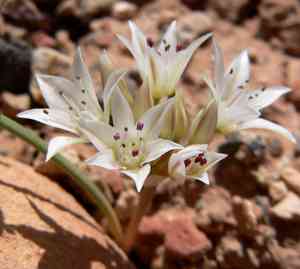
Nevada onion transplantation flourishes optimally in the mild conditions of early spring, as cooler weather assists root development. It favors bright areas with soil that drains effectively; confirm your selected site prevents excessive moisture accumulation, fostering a robust beginning for this enduring plant.
What Preparations are Needed Before Transplanting Nevada Onion?
What is the Ideal Time for Transplanting Nevada Onion?
The optimal period for relocating nevada onion is during early spring. This timing allows the plant to benefit from cool, moist conditions, which are perfect for root development before summer's heat. Transplanting at this time ensures nevada onion has sufficient opportunity to adapt and flourish, maximizing its perennial advantages.
How Much Space Should You Leave Between Nevada Onion Plants?
When moving nevada onion, ensure each plant is positioned 6-12 inches (15-30 cm) apart. This provides ample room for growth and promotes good air circulation, which helps prevent disease.
What is the Best Soil Mix for Nevada Onion Transplanting?
Prepare soil that drains well, using a sandy loam or loam mixture. Enrich it with compost or a balanced 10-10-10 fertilizer. This will supply nevada onion with the essential nutrients for robust development.
Where Should You Relocate Your Nevada Onion?
Select a sunny spot for transplanting nevada onion. It thrives in full sun, so aim for an area that receives at least 6 hours of direct sunlight daily.
What Equipments Should You Prepare Before Transplantation Nevada Onion?
Gardening Gloves
To safeguard your hands while handling soil and plants.
Trowel
To excavate around the plant and loosen the earth.
Shovel/Spade
For digging the new planting hole and a trench around the existing plant.
Watering Can/Hose
To hydrate the plant before and after its relocation.
Pruning Shears
To trim any damaged roots or foliage.
Rooting Hormone (optional)
To stimulate root development if needed.
Plant Labels (optional)
To identify the plant and its transplant date.
How Do You Remove Nevada Onion from the Soil?
How Do You Remove Nevada Onion from the Soil?
From Ground: First, water the nevada onion plant to moisten the soil. Then, dig a wide trench around the plant using a shovel or spade, ensuring the plant's root ball stays intact. Carefully work the spade beneath the root ball to lift the plant from its original spot.From Pot: Gently water the nevada onion plant to help loosen the soil. Incline the pot on its side and lightly tap the sides and bottom to release the root ball. Carefully slide the plant out, supporting the root ball with your other hand.From Seedling Tray: Dampen the soil in the seedling tray to facilitate removal. Use a trowel or your fingers to gently lift each nevada onion plant, taking care to keep the roots undamaged.
Step-by-Step Guide for Transplanting Nevada Onion
Hole Preparation
Excavate a hole in the new location that is twice the width and the same depth as the nevada onion's root ball.
Soil Amendment
If necessary, enrich the soil with compost to enhance fertility and drainage.
Plant Placement
Position the nevada onion plant in the hole at the same depth it was previously growing. Ensure the root ball is level with the surrounding soil.
Filling the Hole
Backfill the hole with soil, gently pressing around the plant's base to eliminate air pockets.
Watering
Thoroughly water the nevada onion plant to help the soil settle around the roots.
Mulching
Apply a layer of mulch around the plant's base to retain moisture and suppress weeds.
How Do You Care For Nevada Onion After Transplanting?
Watering
Keep the soil around the nevada onion consistently moist, but not waterlogged, for the initial few weeks post-transplant to aid in strong root establishment.
Monitoring
Regularly inspect the plant for signs of stress such as wilting or yellowing leaves, and adjust care as needed.
Protection
Provide temporary shade if required to shield the nevada onion from excessive sun until it becomes established.
Pruning
Remove any damaged or dead foliage to encourage healthy new growth.
Troubleshooting Common Issues with Nevada Onion Transplantation.
When is the best time to transplant nevada onion?
Relocate your nevada onion in early spring for optimal establishment and growth.
What spacing is ideal for transplanting nevada onion?
Space your nevada onion plants 6-12 inches (15-30 cm) apart for optimal growth.
How should I prepare the soil for nevada onion?
Ensure well-draining soil and amend with compost for better nutrient retention.
How deep should I plant nevada onion bulbs?
Plant them approximately 1 inch (2.5 cm) deep into the soil.
How do I prevent transplant shock in nevada onion?
Water the plant thoroughly after transplanting and keep it shaded for a few days.
What if the nevada onion leaves turn yellow?
This can indicate overwatering or nutrient deficiencies; adjust watering and fertilize accordingly.
Why is my nevada onion not growing?
Check for pests, ensure adequate sunlight, and adhere to watering and spacing guidelines.
How much sun does nevada onion need after transplanting?
Provide your nevada onion with full sun, around 6-8 hours daily, for best growth.
What temperature is best for nevada onion after transplanting?
Maintain temperatures between 60-70°F (15-21°C) to encourage healthy growth.
How often should I water transplanted nevada onion?
Water them moderately, ensuring the soil remains moist but not waterlogged.



