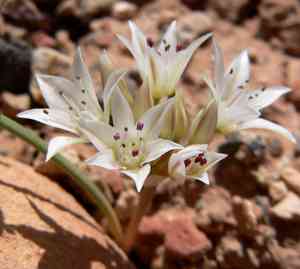
Nevada onion (Allium nevadense)
Also known as: Nevada onion
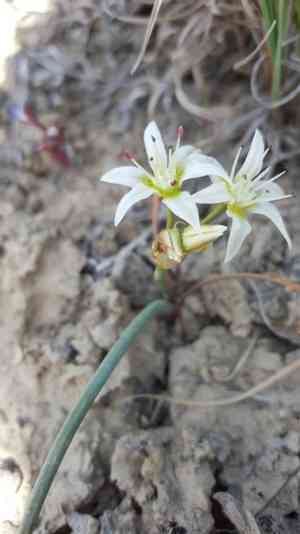
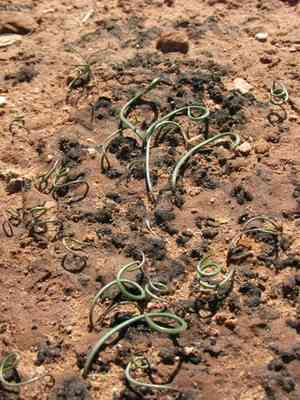
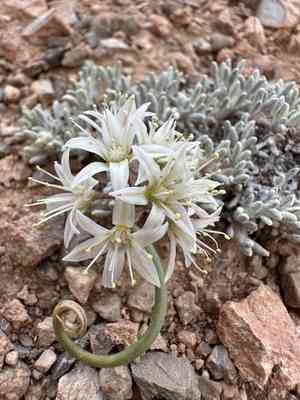
The Nevada onion (Allium nevadense) is a resilient perennial native to the arid landscapes of the western United States, especially thriving in Nevada's tough conditions. This wild onion showcases small, spherical clusters of white to pinkish blooms atop slender, elongated stems, with narrow, grass-like leaves at its base. Its bulbs and foliage give off a characteristic onion scent, which likely helps to repel herbivores, underscoring its place in the broader onion family.
In This Article
Attributes of Nevada onion
Lifespan
Perennial
Plant Height
0 mm to 30 cm
Spread
Not applicable (herbaceous plant)
Leaf Color
Green
Flower Size
1-2 cm
Flower Color
White to pink
Images of Nevada onion
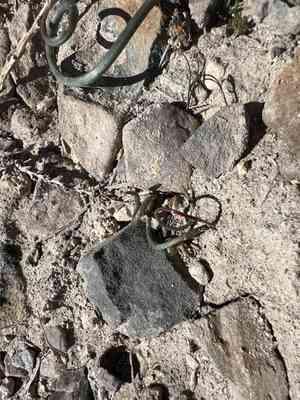
Quickly Identify Nevada onion
1
Identify Allium nevadense by its small, clustered white to pinkish flowers atop a slender stalk, typically growing in dry, rocky terrain. The plant has a bulbous base and long, thin leaves.
Scientific Classification of Nevada onion
Phylum
Vascular plants
Class
Monocotyledons
Order
Asparagales
Family
Amaryllis
Genus
Onions
Species
Nevada onion
Planting and Growing of Nevada onion
Care Difficulty
Moderate
Watering Schedule
Every 2 days
Sunlight Requirements
Full sun
Sunshine Duration
6-8 hours
Ideal Temperature
60-75℉
Soil Type
Potting Mix, Peat Mix
Soil pH
6.5-7.5
Fertilizer Type
Balanced
Pruning Season
Spring, Summer
Pruning Area
Branches, Leaves
Pruning Frequency
2 times a year
Repotting Season
Spring
Pot Type
Plastic, Ceramic
 How to Water Nevada onion?
Allium nevadense requires moderate watering, approximately 500 milliliters per session. It's crucial to water until the soil is evenly moist but not soggy. Ensure the water reaches the root zone without leaving the soil waterlogged, as this plant prefers a well-drained environment.
What are the symptoms of an underwatered Nevada onion?
›
What should I do if my Nevada onion is not getting enough water?
›
What are the symptoms of an overwatered Nevada onion?
›
How to save an overwatered Nevada onion?
›
 What Are the Sunlight Requirements for Nevada onion?
Full sun benefits Allium nevadense by fostering optimal photosynthesis and robust growth. This lighting condition ensures maximum flowering potential and vibrant foliage reflective of its native habitat needs.
Question 1: What is the ideal amount of sunlight for Allium nevadense?
›
Question 2: How can you ensure Allium nevadense gets ideal sunlight?
›
Question 3: What are the benefits of providing ideal sunlight to Allium nevadense?
›
 What Is the Ideal Temperature Range for Nevada onion?
What is the ideal temperature range for Allium nevadense? The ideal temperature range for growing Allium nevadense is between 60°F and 75°F. This range allows the plant to perform photosynthesis efficiently without any temperature stress. Maintaining this ideal range promotes healthy growth and increases the overall vigor of the plant.
 What Soil is Best for Nevada onion?
Allium nevadense thrives in well-drained soil, as it prevents waterlogging, which can cause root rot. This drainage facilitates healthy root growth and provides the plant with adequate oxygen, promoting robust development. The plant requires soil with moderate nutrient content to support its growth. Adequate nutrients ensure the plant has the necessary resources for energy, which contributes to vibrant foliage and successful blooming. Consistent moisture in the soil is crucial for Allium nevadense, especially during its growing season. This prevents the plant from experiencing stress, leading to healthier growth and more resilient structures.
 How to Fertilize Nevada onion?
Allium nevadense requires a balanced fertilizer that is not too rich or overly concentrated. Use a diluted formula, approximately half the recommended strength on the package, as this plant is sensitive to excessive nutrients. A general-purpose 10-10-10 NPK fertilizer works well in diluted form.
 How to Prune Nevada onion?
To start pruning Allium nevadense, begin by identifying any wilted or yellowing leaves and flower stems. Use clean, sharp pruning shears to cut these parts close to ground level. Always prune just above a leaf node or where the stem meets the ground to promote healthy regrowth. Regularly pinch off spent blooms to encourage new blossoms and prevent the plant from seeding prematurely.
More About Pruning Techniques→
 How to Propagate Nevada onion plant?
1
Fill the seed tray with a well-draining potting mix, such as a mixture of coarse sand and compost. Moisten the soil thoroughly before planting seeds to ensure adequate moisture absorption.
2
Sow Allium nevadense seeds thinly over the soil surface. Lightly cover them with a thin layer of soil or sand, as they require light to germinate. Maintain moisture by gently misting the surface.
3
Carefully dig up mature Allium bulbs during early summer or spring. Use a garden fork to avoid cutting through bulbs. Gently separate bulbs and replant at the same depth they were growing.
 How to Repot Nevada onion plant?
1
Look for signs like roots crowning the surface or emerging from drainage holes, delayed growth, or water not soaking in, indicating the plant is root-bound. Pot in Spring or Autumn for optimal growth conditions.
2
Opt for a pot 1-2 inches larger in diameter than the current one. Choose materials like ceramic or clay to balance moisture retention and breathability. Proper drainage holes are essential to prevent waterlogging, which Allium roots disdain.
3
Allium nevadense thrives in well-draining sandy soil. This soil composition mimics their natural habitat, ensuring roots don't rot from excess moisture. A mix including sand, perlite, or pumice aids in maintaining necessary aeration.
Learn More About Nevada onion Diseases
Anthracnose
Bacterial Leaf Spot
Bacterial Soft Rot
Damping-off
Downy Mildew
Drought Stress
Fusarium Wilt
Gray Mold
Leaf Spot
Mosaic
Nutrient Deficiency
Nutrient Toxicity
Powdery Mildew
Root Rot
Root-knot Nematode
Rusts
Sooty Mold
Spider Mites
Temperature Stress
Thrips Damage
White Mold
Chemical Injury



