How to Transplant Abrams' allium?
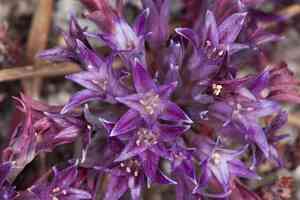
Abrams' allium flourishes when relocated during the rejuvenating early to mid-spring season, guaranteeing strong rooting. Select a bright, adequately drained spot to promote peak development. Verify that the substrate stays damp yet not saturated to facilitate adaptation.
What Preparations are Needed Before Transplanting Abrams' Allium?
What is the Ideal Time for Transplanting Abrams' Allium?
The best time to move abrams' allium, a perennial, is from early to mid-spring. This timing allows the plant to benefit from spring rains and warming soil, which helps establish strong roots. Transplanting during this season reduces stress and promotes maximum growth, leading to a healthier plant.
How Much Space Should You Leave Between Abrams' Allium Plants?
When relocating abrams' allium, ensure each plant is spaced 4-6 inches (10-15 cm) apart. This provides ample room for growth without competition for resources.
What is the Best Soil Mix for Abrams' Allium Transplanting?
For abrams' allium, utilize loose, well-draining soil. A sandy or loamy mixture is optimal. Prior to transplanting, incorporate a balanced fertilizer with equal parts nitrogen, phosphorus, and potassium to support vigorous development.
Where Should You Relocate Your Abrams' Allium?
Select a sunny location for abrams' allium, as they flourish in full sun. Aim for at least 6 hours of direct sunlight daily to ensure robust growth and abundant blooms.
What Equipments Should You Prepare Before Transplantation Abrams' Allium?
Gardening Gloves
To safeguard your hands while handling soil and plants.
Shovel or Spade
To excavate the plant from its original position.
Hand Trowel
For more precise digging and soil transfer.
Watering Can or Hose
To maintain soil moisture before and after relocation.
Bucket
To safely transport the plant if necessary.
How Do You Remove Abrams' Allium from the Soil?
How Do You Remove Abrams' Allium from the Soil?
From Ground: First, hydrate the abrams' allium plant to moisten the soil. Next, excavate a wide trench around the plant using a shovel or spade, ensuring the root ball remains intact. Carefully work the spade beneath the root ball to lift the plant from its initial spot.From Pot: Water the abrams' allium plant thoroughly before extraction. Gently tap the pot's sides to loosen the soil. Invert the pot while supporting the plant with your other hand. Carefully ease the plant out of the pot, taking care not to harm the roots.From Seedling Tray: Water the seedlings to dampen the soil. Gently push up from the bottom of the tray cell to extract the seedling and its root ball. Handle seedlings by their leaves rather than their stems to prevent damage.
Step-by-Step Guide for Transplanting Abrams' Allium
Preparing the New Site
Ensure the area designated for transplanting abrams' allium is properly prepared, with loosened soil and all weeds removed.
Digging the Hole
Excavate a hole twice as wide and as deep as the abrams' allium's root ball to provide ample space for root expansion.
Placing the Plant
Position the abrams' allium into the hole, making sure the top of the root ball is level with the soil surface. Adjust the hole's depth if needed.
Backfilling the Hole
Refill the hole with soil, gently firming it around the root ball to eliminate air pockets. Be careful not to bury the stem or crown of the abrams' allium.
Watering
Thoroughly water the abrams' allium after transplanting to help settle the soil and support the roots in their new location.
How Do You Care For Abrams' Allium After Transplanting?
Watering
Maintain consistent moisture in the soil around the abrams' allium, avoiding sogginess, for the initial weeks post-transplant to encourage strong root development.
Mulching
Apply a layer of mulch around the base of the abrams' allium to help retain moisture and stabilize soil temperature.
Monitoring
Regularly inspect the abrams' allium for any indications of stress, such as wilting or yellowing foliage, and address issues promptly.
Troubleshooting Common Issues with Abrams' Allium Transplantation.
When is the best time to transplant abrams' allium?
The ideal periods for relocating abrams' allium are early spring and mid-spring.
What's the recommended spacing when transplanting abrams' allium?
Space abrams' allium 4-6 inches (10-15 cm) apart for healthy growth and proper air circulation.
How should the soil be prepared for abrams' allium transplantation?
Ensure the soil is well-drained, enriched with organic matter, and possesses a neutral to slightly alkaline pH.
How deep should I plant abrams' allium when transplanting?
Plant abrams' allium at the same depth it was previously growing to prevent stress on the plant.
How often should I water abrams' allium after transplanting?
Water abrams' allium thoroughly immediately after transplanting and keep the soil consistently moist until established.
What are common signs of transplant shock in abrams' allium?
Wilting, yellowing leaves, and stunted growth can indicate transplant shock in abrams' allium.
How can I minimize transplant shock in abrams' allium?
Water deeply, mulch around the base, and avoid excessive root disturbance to minimize shock.
Is it necessary to fertilize abrams' allium after transplanting?
Yes, a balanced, slow-release fertilizer can provide abrams' allium with an initial boost post-transplanting.
What should I avoid during abrams' allium transplantation?
Avoid transplanting during extremely hot or cold weather to reduce stress on abrams' allium.
Can I transplant abrams' allium in the same spot next year?
Yes, abrams' allium can be relocated to the same spot, but rotating locations can prevent soil depletion.



