How to Transplant Alcea biennis?
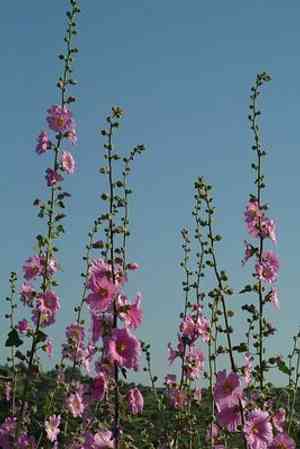
The most favorable time to relocate alcea biennis is from the beginning to the end of spring, once the ground has sufficiently warmed to stimulate root development. Select a bright, adequately drained spot to offer the best environment. Handle with care to prevent any disruption to the roots.
What Preparations are Needed Before Transplanting Alcea Biennis?
What is the Ideal Time for Transplanting Alcea Biennis?
The best time to move alcea biennis, a plant that lives for two years, is from the beginning to the end of spring. This timing ensures the ground is warm enough for roots to settle without the harshness of summer heat. Moving it then encourages strong development and good flowering in its second year, boosting the plant's strength and health.
How Much Space Should You Leave Between Alcea Biennis Plants?
When relocating alcea biennis, make sure to leave approximately 18-24 inches (45-60 cm) between each plant. This spacing allows for proper air circulation and sufficient room for growth without overcrowding.
What is the Best Soil Mix for Alcea Biennis Transplanting?
Select a soil that drains well for alcea biennis, ideally a rich, sandy type. Before moving the plant, mix in some compost or a balanced fertilizer to enrich the soil and supply essential nutrients.
Where Should You Relocate Your Alcea Biennis?
Position alcea biennis in a spot that gets full sun, about 6-8 hours of direct sunlight daily. This exposure to sunlight is vital for its development and blooming.
What Equipments Should You Prepare Before Transplantation Alcea Biennis?
Gardening Gloves
To shield your hands while handling soil and plants.
Trowel
For digging and moving small plants or young sprouts.
Shovel or Spade
For excavating larger holes if you're moving plants from the ground.
Watering Can or Hose
To hydrate the plant before and after its relocation.
Wheelbarrow or Bucket
For transporting soil or the plant itself if needed.
Pruners
To trim any damaged or excess roots.
How Do You Remove Alcea Biennis from the Soil?
How Do You Remove Alcea Biennis from the Soil?
From Ground: First, moisten the soil around the alcea biennis plant. Then, dig a wide circle around the plant with a shovel or spade, making sure the root ball stays intact. Carefully work the spade beneath the root ball to lift the plant from its original spot.From Pot: Water the alcea biennis plant thoroughly to loosen the soil. Gently tilt the pot on its side and carefully slide the plant out. If it's stuck, you can tap the pot's sides or cut the pot if it's disposable.From Seedling Tray: Water the seedling tray to moisten the soil. Use a trowel or your fingers to gently lift the alcea biennis seedlings, being careful to keep as much soil attached to the roots as possible.
Step-by-Step Guide for Transplanting Alcea Biennis
Preparation
Start by getting your new planting area ready. Ensure the soil drains well and is free of weeds. Dig a hole that is twice as wide and the same depth as the plant's root ball.
Removing the Plant
Carefully take the alcea biennis plant from its initial spot following the specific instructions for ground, pot, or seedling tray situations.
Transplanting the Plant
Place the alcea biennis plant into the new hole. The top of the root ball should be even with the surrounding soil. Fill the hole with soil, pressing gently to remove any air pockets.
Watering
Water the newly moved alcea biennis plant generously to settle the soil around its roots. This aids in establishing robust root systems.
How Do You Care For Alcea Biennis After Transplanting?
Watering
Keep the soil around the alcea biennis consistently damp, but not waterlogged, for the initial weeks after transplanting to help establish strong roots.
Mulching
Apply a layer of organic material around the plant's base to retain moisture and suppress weeds.
Monitoring
Regularly check for indications of stress like wilting or yellowing leaves, and adjust care as necessary.
Protection
If needed, shield the alcea biennis plant from pests or harsh weather conditions using garden fabric or temporary wind barriers.
Troubleshooting Common Issues with Alcea Biennis Transplantation.
When is the best time to transplant alcea biennis?
Early to late spring is ideal for moving alcea biennis for optimal growth and survival.
How should I space the alcea biennis plants?
Space alcea biennis plants 18-24 inches (45-60 cm) apart to ensure healthy growth and airflow.
What type of soil is best for alcea biennis?
Alcea biennis thrives in well-draining, loamy soil with a neutral to slightly alkaline pH.
Should I water alcea biennis after transplanting?
Yes, water thoroughly after transplanting to help alcea biennis establish roots in its new location.
How deep should I plant alcea biennis?
Plant alcea biennis at the same depth it was in its original container to avoid stress.
What if alcea biennis wilts after transplanting?
Temporary wilting is common. Ensure consistent watering and avoid direct strong sunlight initially.
How can I protect alcea biennis from transplant shock?
Acclimatize alcea biennis gradually to outdoor conditions and avoid extreme weather during transplanting.
Is fertilization necessary right after transplanting alcea biennis?
Wait a few weeks before fertilizing alcea biennis to allow it to recover and establish roots.
Can I transplant alcea biennis during hot weather?
Avoid hot weather; early to late spring offers optimal soil temperatures for alcea biennis's transplant.
What should I do if alcea biennis exhibits stunted growth post-transplant?
Ensure adequate water, check soil quality, and provide balanced fertilizer after initial recovery phase.



