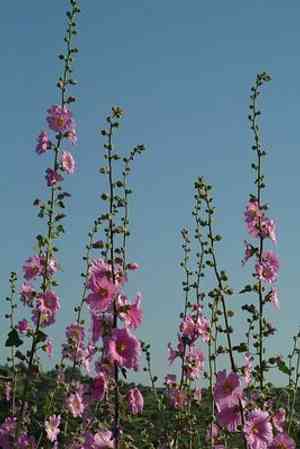
Alcea biennis (Alcea biennis)
Also known as: Evening Primrose Hollyhock
The biennial hollyhock, known scientifically as Alcea biennis, belongs to the Alcea species within the mallow family, also referred to as Malvaceae. Other names it goes by include A. pallida, Althaea pallida and Malva pallida.
In This Article
Attributes of Alcea biennis
Lifespan
Biennial
Images of Alcea biennis
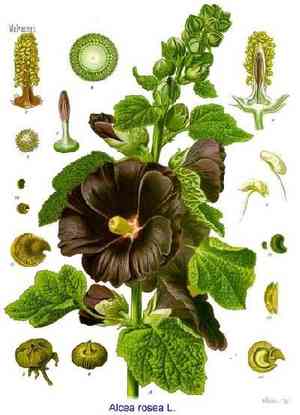
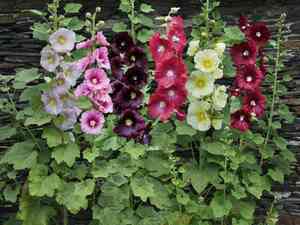
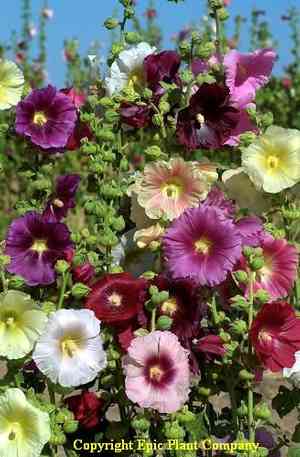
Quickly Identify Alcea biennis
1
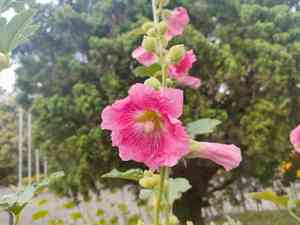
This plant can be identified by its tall, erect stems and large, showy flowers that resemble hollyhocks.
Scientific Classification of Alcea biennis
Phylum
Magnoliophyta
Class
Magnoliopsida
Order
Malvales
Family
Malvaceae
Genus
Alcea
Species
A. biennis
Planting and Growing of Alcea biennis
Care Difficulty
Moderate
Watering Schedule
Every 2 days
Sunlight Requirements
Full sun
Sunshine Duration
6-8 hours
Ideal Temperature
65-75℉
Soil Type
Potting Mix, Peat Mix
Soil pH
6.5-7.5
Fertilizer Type
Balanced
Pruning Season
Spring, Summer
Pruning Area
Branches, Leaves
Pruning Frequency
2 times a year
Repotting Season
Spring
Pot Type
Plastic, Ceramic
 How to Water Alcea biennis?
When watering Alcea biennis, aim to thoroughly soak the soil to a depth of around 1 inch (2.5 cm). This means using approximately 500 ml of water per session, ensuring that the water penetrates deep into the soil, reaching the plant's roots effectively. Make sure the topsoil is moist but not soggy, as this will help the plant absorb nutrients efficiently.
What are the symptoms of an underwatered Alcea biennis?
›
What should I do if my Alcea biennis is not getting enough water?
›
What are the symptoms of an overwatered Alcea biennis?
›
How to save an overwatered Alcea biennis?
›
 What Are the Sunlight Requirements for Alcea biennis?
Prefers full to partial sunlight exposure, ensuring robust growth. Ideal light conditions enhance reproductive processes, leading to improved flower production and stronger plant health overall.
How much direct sunlight does Alcea biennis need?
›
What strategies can ensure Alcea biennis gets ideal light?
›
What benefits does ideal lighting bring to Alcea biennis?
›
 What Is the Ideal Temperature Range for Alcea biennis?
The ideal temperature range for growing Alcea biennis is between 65°F and 75°F. This range ensures optimal photosynthesis and metabolic activity, leading to robust growth and flowering. Maintaining this temperature helps the plant establish strong roots and healthy foliage.
 What Soil is Best for Alcea biennis?
Alcea biennis thrives in well-drained soil to prevent waterlogging and root rot. Ensuring good drainage can help the plant develop strong roots and enhance its overall growth and blooming potential. This plant benefits from soil enriched with organic matter, which provides essential nutrients. Adding compost or well-rotted manure can boost soil fertility, promoting vibrant, healthy blooms. A soil pH between 6.5 and 7.5 is ideal for Alcea biennis, as it allows optimal nutrient absorption. This pH range supports robust plant health and stunning floral displays.
 How to Fertilize Alcea biennis?
For Alcea biennis, it's crucial to avoid over-fertilizing. A light application of a balanced 10-10-10 fertilizer mixed at half the recommended strength every time you fertilize should suffice. This helps maintain health without overwhelming the plant's system.
 How to Prune Alcea biennis?
Begin by removing any dead or damaged stems, cutting them back to healthy tissue or the base. For optimal growth, focus on thinning dense clusters by trimming back some of the older stems, which helps in rejuvenating the plant. To encourage branching and promote fuller growth, trim the stems back by one-third during the active growing season. Always use clean and sharp tools to make precise cuts.
 How to Propagate Alcea biennis plant?
1
Begin by soaking Alcea biennis seeds in water for 24 hours to soften their coat and improve germination rates. After soaking, allow them to dry slightly before sowing.
2
Fill seed trays with a moist, well-draining potting mix. Sow the seeds on the surface and cover them lightly with soil. Maintain a temperature of around 18-21°C for optimal germination.
3
Select healthy, non-flowering stems during late spring. Cut sections about 4-6 inches long, remove the lower leaves, and treat the cut end with a rooting hormone before planting.
 How to Repot Alcea biennis plant?
1
Alcea biennis needs repotting when you notice root-bound conditions. If roots are circling the pot or growing through drainage holes, it's time. Also, when the plant shows slow growth despite proper care, it signals a need for a new pot.
2
Select a pot slightly larger than the current one, with adequate drainage holes. A slightly larger pot provides room for root expansion without excessive soil, preventing root rot. The drainage holes ensure water doesn't accumulate, which could harm the plant.
3
Opt for loamy, well-draining soil. This type of soil keeps the plant's roots aerated while retaining necessary moisture and nutrients. It prevents waterlogging, which is crucial for the plant's health and vigorous growth.



