How to Transplant El dorado mule-ears?
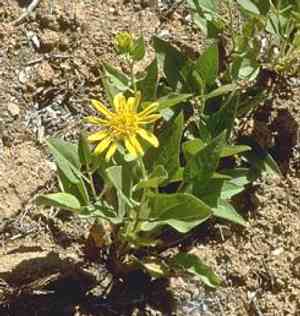
El dorado mule-ears flourishes when relocated between the beginning and end of spring. Choosing a bright, adequately drained spot guarantees robust development. To achieve the best outcomes, target this timeframe, as temperate conditions lessen the stress of transplantation.
What Preparations are Needed Before Transplanting El Dorado Mule-ears?
What is the Ideal Time for Transplanting El Dorado Mule-ears?
For el dorado mule-ears, the best period for relocation is from early to late spring. This timeframe offers mild temperatures and increased precipitation, which are beneficial for developing robust root systems. By moving them during this season, el dorado mule-ears can more effectively adapt to its new surroundings, reducing stress and encouraging vigorous growth throughout the active season.
How Much Space Should You Leave Between El Dorado Mule-ears Plants?
When relocating el dorado mule-ears, aim for a spacing of 24-36 inches (60-90 cm) between each plant. This provides ample room for growth and ensures good air circulation, minimizing disease risk.
What is the Best Soil Mix for El Dorado Mule-ears Transplanting?
Prepare well-draining soil for relocating el dorado mule-ears. A sandy or loamy type mixed with a balanced fertilizer or compost will supply essential nutrients and promote healthy root development.
Where Should You Relocate Your El Dorado Mule-ears?
Select a sunny spot for relocating el dorado mule-ears. Ideally, the location should receive full sun, meaning about 6-8 hours of direct sunlight daily, to ensure vibrant and healthy growth.
What Equipments Should You Prepare Before Transplantation El Dorado Mule-ears?
Gardening Gloves
To safeguard your hands while handling soil and plants.
Shovel or Spade
To excavate around the plant and create a new hole.
Trowel
For smaller, more precise digging tasks.
Watering Can or Hose
To hydrate the plant before and after its move.
Pruning Shears
If necessary, to trim any damaged or dead plant parts.
Wheelbarrow
To transport the plant to its new site.
Garden Fork
To gently loosen the soil surrounding the plant.
How Do You Remove El Dorado Mule-ears from the Soil?
How Do You Remove El Dorado Mule-ears from the Soil?
From Ground: First, moisten the el dorado mule-ears plant to dampen the soil. Then, dig a wide trench around the plant using a shovel or spade, ensuring the plant's root ball remains intact. Carefully work the spade under the root ball to lift the plant from its original location.From Pot: Gently water the plant to moisten the soil. Hold the base of the plant and invert the pot, tapping the bottom to release the plant. If it doesnât slide out easily, gently squeeze the pot to loosen the soil.From Seedling Tray: Water the seedlings well before removal. Use a small trowel or your hands to gently lift each seedling, ensuring you keep the root ball intact. Be careful not to damage the roots.
Step-by-Step Guide for Transplanting El Dorado Mule-ears
Site Preparation
Prepare the new location by digging a hole that is twice as wide and the same depth as the root ball of the el dorado mule-ears. Ensure the hole is well-drained and ready to receive the plant.
Transplanting
Place the el dorado mule-ears plant in the center of the hole, making sure the top of the root ball is level with the surrounding soil. Fill the hole with soil, gently pressing down to eliminate air pockets and secure the plant in place.
Watering
Immediately water the el dorado mule-ears thoroughly after planting to settle the soil and provide initial hydration. Ensure the soil remains moist but not waterlogged.
Mulching
Apply a layer of mulch around the base of the plant to help retain moisture and regulate soil temperature. Keep the mulch a few inches away from the stem to prevent rot.
How Do You Care For El Dorado Mule-ears After Transplanting?
Watering
Keep the soil around the el dorado mule-ears consistently moist, but not soggy, for the first few weeks after transplanting to help establish strong roots.
Monitoring
Regularly check for signs of transplant shock, such as wilting or yellowing leaves, and address any issues promptly.
Pruning
Trim any damaged or dead parts of the plant to encourage healthy growth and reduce stress.
Troubleshooting Common Issues with El Dorado Mule-ears Transplantation.
What is the best time to transplant el dorado mule-ears?
Relocate el dorado mule-ears from early spring to late spring for optimal growth and minimal stress.
How far apart should I space el dorado mule-ears plants?
Space el dorado mule-ears plants 24-36 inches (61-91 cm) apart to ensure ample room for growth.
How should I prepare the soil for transplanting el dorado mule-ears?
Prepare well-drained soil, enriched with compost, to provide essential nutrients and proper drainage.
What is the ideal soil pH for el dorado mule-ears?
Maintain a soil pH between 6.0 and 7.0 to keep el dorado mule-ears healthy and thriving.
How do I minimize transplant shock for el dorado mule-ears?
Water el dorado mule-ears thoroughly after transplanting and provide shade during the hottest part of the day.
Why are the leaves of el dorado mule-ears wilting after transplanting?
Wilting could be due to transplant shock or insufficient watering. Ensure proper hydration and avoid direct sunlight initially.
How deep should I plant el dorado mule-ears when transplanting?
Plant el dorado mule-ears at the same depth it was originally growing to avoid stem rot and stress.
Can I transplant el dorado mule-ears in the summer?
Avoid transplanting in summer to reduce the risk of heat stress and increased water needs.
How often should I water el dorado mule-ears after transplanting?
Water el dorado mule-ears every 2-3 days initially, then reduce to weekly watering once established.
What should I do if el dorado mule-ears shows signs of pests after transplanting?
Inspect el dorado mule-ears regularly and apply organic insecticidal soap if you spot pests. Maintain healthy plants to prevent infestations.



