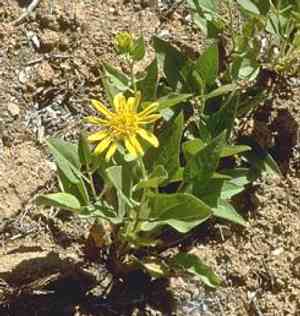
El dorado mule-ears (Agnorhiza reticulata)
Also known as: None
Agnorhiza reticulata, a perennial herb, features a stem that is hairy, glandular, and somewhat sticky to the touch, typically growing between 40 to 70 centimeters, but occasionally reaching up to 1 meter. The leaves are triangular to lance-shaped and can be up to 15 centimeters in length. The plant produces a usually solitary, sunflower-like flower head with up to 21 yellow ray florets, each about 2.5 centimeters long.
In This Article
Attributes of El dorado mule-ears
Lifespan
Perennial
Plant Type
Herb
Plant Height
1 to 3 feet
Spread
1 to 2 feet
Leaf Color
Green
Flower Size
2 to 4 inches
Flower Color
Yellow
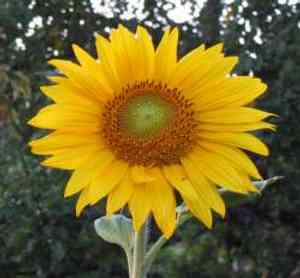
Images of El dorado mule-ears
Quickly Identify El dorado mule-ears
1
To identify Agnorhiza reticulata, look for its large, lance-shaped leaves with a rough, netted texture, and bright yellow daisy-like flowers. The leaves are basal and often reach up to a foot in length.
Scientific Classification of El dorado mule-ears
Phylum
Vascular plants
Class
Dicotyledons
Order
Asterales
Family
Daisy
Genus
Mule-ears
Species
El dorado mule-ears
Planting and Growing of El dorado mule-ears
Care Difficulty
Moderate
Watering Schedule
Every 2 days
Sunlight Requirements
Full sun
Sunshine Duration
4-8 hours
Ideal Temperature
60-75℉
Soil Type
Potting Mix, Peat Mix
Soil pH
6.5-7.5
Fertilizer Type
Balanced
Pruning Season
Spring, Summer
Pruning Area
Branches, Leaves
Pruning Frequency
2 times a year
Repotting Season
Spring
Pot Type
Plastic, Ceramic
 How to Water El dorado mule-ears?
Agnorhiza reticulata requires a moderate and consistent watering schedule. Each watering should provide about 500 milliliters of water, ensuring that the soil is thoroughly moistened without becoming waterlogged. The key is to maintain soil moisture at a level where it feels damp but not overly wet. Allow the top inch of soil to dry out between waterings for optimal growth.
What are the symptoms of an underwatered El dorado mule-ears?
›
What should I do if my El dorado mule-ears is not getting enough water?
›
What are the symptoms of an overwatered El dorado mule-ears?
›
How to save an overwatered El dorado mule-ears?
›
 What Are the Sunlight Requirements for El dorado mule-ears?
Agnorhiza reticulata favors full to partial sun, ensuring robust growth and vibrant blooms. Ideal light maximizes photosynthesis, enhancing flowering, structure, and overall vitality.
How much direct sunlight is needed?
›
What if I can't provide direct sunlight?
›
How does ideal lighting affect growth?
›
 What Is the Ideal Temperature Range for El dorado mule-ears?
The ideal temperature range for Agnorhiza reticulata is between 60°F and 75°F. This range ensures optimal growth and flowering, providing the plant with the right level of heat energy to carry out photosynthesis effectively. Maintaining temperatures in this range can help avoid stress and ensure robust growth.
 What Soil is Best for El dorado mule-ears?
Agnorhiza reticulata thrives in nutrient-rich soil, where essential minerals like nitrogen and potassium are abundant. This richness supports robust growth and enhances flowering, ensuring the plant reaches its full aesthetic potential. Ensuring excellent drainage is vital for Agnorhiza reticulata. Well-drained soil prevents waterlogging, which could otherwise cause root rot and inhibit the plant's growth and development. Adding organic matter like compost or peat can significantly improve soil fertility for Agnorhiza reticulata. It enhances moisture retention while also ensuring proper aeration, vital for root health.
 How to Fertilize El dorado mule-ears?
For Agnorhiza reticulata, when applying liquid fertilizer, use a diluted solution at half strength to prevent root burn. About 1/4 teaspoon per gallon of water is sufficient. The mild nutritional needs mean less is more.
 How to Prune El dorado mule-ears?
Always begin pruning with clean, sharp tools to ensure precise cuts and reduce the risk of transmitting diseases. Disinfect your scissors or shears with alcohol before and after each use to maintain a hygienic pruning method. This practice helps keep your Agnorhiza reticulata healthy and flourishing. Immediately remove dead or diseased stems during each pruning session. This prevents the spread of disease and opens up space for new, healthy growth. Cut each affected stem as close to the base as possible while avoiding damaging nearby healthy parts of the plant. When trimming overgrown stems, make your cuts just above a healthy node. This encourages new growth to sprout from that point, maintaining the plant’s natural aesthetics. Ensure that you're cutting at an angle, which will help water run off and prevent rot at the cut surface.
 How to Propagate El dorado mule-ears plant?
1
To propagate Agnorhiza reticulata through seeds, sow the seeds in a seed tray with a well-draining soil mix. Cover them lightly with soil and keep them moist until germination.
2
Divide established plants in early spring. Gently dig up the plant and use a sharp knife or trowel to separate the root clumps, ensuring each division has roots attached.
3
Once seedlings have developed a few leaves, transplant them to larger pots or directly into the garden. Ensure they are planted at the same depth as in the seed tray.
 How to Repot El dorado mule-ears plant?
1
Agnorhiza reticulata indicates the need for repotting when its roots start encircling the pot or growing through drainage holes. You might also notice stunted growth or a decline in blooming. These signs suggest the plant needs more room to grow its roots, which means it is time for a new pot.
2
Select a pot that is slightly larger than the current one, with adequate drainage holes. This ensures there’s enough space for roots to grow without causing waterlogging. A pot with a drainage tray is a good choice. Terracotta pots are great for their breathability, but if moisture retention is crucial, consider glazed ceramic or plastic pots.
3
Opt for well-draining, loamy soil enriched with organic matter. This type of soil provides the necessary nutrients while ensuring excess water drains away swiftly, preventing root rot. A mixture of garden loam, coarse sand, and organic compost is ideal to keep the roots healthy and promote vigorous growth.
Learn More About El dorado mule-ears Diseases
Anthracnose
Bacterial Leaf Spot
Bacterial Soft Rot
Bacterial Wilt
Crown Gall
Cyst Nematode
Damping-off
Downy Mildew
Drought Stress
Fusarium Wilt
Gray Mold
Leaf Spot
Mosaic
Nutrient Deficiency
Nutrient Toxicity
Powdery Mildew
Root Rot
Root-knot Nematode
Rusts
Sooty Mold
Spider Mites
Temperature Stress
Thrips Damage
White Mold



