How to Transplant Variegated Caribbean Agave?
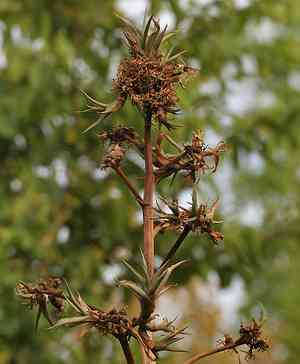
The most favorable period for transplanting variegated Caribbean Agave is amidst the gentle warmth of mid-spring. Select locations that receive ample sunlight and offer excellent drainage. When relocating established plants, ensure the root system remains intact to facilitate a smooth adjustment. Remember, attentive care is crucial for the future magnificence of your variegated Caribbean Agave.
What Preparations are Needed Before Transplanting Variegated Caribbean Agave?
What is the Ideal Time for Transplanting Variegated Caribbean Agave?
The best time to move variegated Caribbean Agave is during the lively period of mid to late spring. This timing allows its root system to establish itself before the summer heat, promoting strong development. Relocating variegated Caribbean Agave as nature awakens ensures its success, utilizing the season's mild temperatures and increasing daylight, which together create optimal conditions for root integration. A helpful hint: spring's gentle warmth encourages variegated Caribbean Agave into a growth phase, making transplantation then both strategic and rewarding!
How Much Space Should You Leave Between Variegated Caribbean Agave Plants?
When relocating your variegated Caribbean Agave, provide ample room for each specimen. Ideally, aim for a separation of approximately 4-6 feet (1.2-1.8 meters) between them. Proper plant spacing aids in their flourishing and healthy development.
What is the Best Soil Mix for Variegated Caribbean Agave Transplanting?
For your variegated Caribbean Agave, prepare a nutrient-rich soil that drains effectively. You might use a blend of 2 parts potting soil and 1 part coarse sand. Additionally, incorporate a slow-release, balanced granular fertilizer to nourish your plants and supply them with essential nutrients.
Where Should You Relocate Your Variegated Caribbean Agave?
Your variegated Caribbean Agave thrives with abundant sunlight, so a sun-drenched spot would be most suitable. However, it can also endure partially shaded areas. Therefore, ensure the chosen location offers a good balance of shade and sun exposure.
What Equipments Should You Prepare Before Transplantation Variegated Caribbean Agave?
Gardening Gloves
To keep your hands clean and protected while working with the soil and plant material.
Garden Spade
Will be useful for carefully digging around and lifting the plant.
Pruning Shears
To trim the roots of the variegated Caribbean Agave if necessary, ensuring only healthy roots are replanted.
Rake
To prepare the new planting area by loosening the soil.
Wheelbarrow
To transport the variegated Caribbean Agave plant without causing injury.
Garden Hose
To water the variegated Caribbean Agave during and after the transplanting process.
Soil Testing Kit
To confirm that the pH of the new location's soil is appropriate for the variegated Caribbean Agave.
How Do You Remove Variegated Caribbean Agave from the Soil?
How Do You Remove Variegated Caribbean Agave from the Soil?
From Ground: Start by lightly watering the variegated Caribbean Agave to soften the earth. Using your garden spade, begin digging a circle around it. The circle should be wide enough to encompass the entire root ball of the variegated Caribbean Agave plant, preserving as much of it as possible. Once the circle is dug, slide the shovel beneath the root ball and gently pry it from the ground. Be careful not to harm the plant during this procedure. From Pot: First, water the variegated Caribbean Agave lightly. Afterward, invert the pot while gently supporting the plant's base. This will allow the plant to slide out freely without root damage. If the plant is stuck, do not force it. Instead, gently tap the sides of the pot to loosen the soil and then try again. From Seedling Tray: Moisten the soil lightly and carefully lift the variegated Caribbean Agave seedlings from the base, being cautious not to tangle the roots. While holding the seedling, ensure the root ball is supported.
Step-by-Step Guide for Transplanting Variegated Caribbean Agave
Preparation
Prepare the transplant site by loosening the soil with a rake and removing any weeds or debris. Ensure the area is wide enough for the variegated Caribbean Agave root ball.
Hole Preparation
Dig a hole that is twice as wide and just as deep as the variegated Caribbean Agave's root ball.
Placement
Position the variegated Caribbean Agave in the hole, ensuring it stands upright. The top of the root ball should be level with or slightly above the surrounding soil to aid water drainage.
Back Filling
Fill in the hole, gently firming the soil around the plant to eliminate any air pockets.
Watering
Thoroughly water the variegated Caribbean Agave plant after transplanting, ensuring the water reaches the plant's roots.
Stabilizing
Stake the variegated Caribbean Agave if it's large or in a windy location to maintain its stability.
How Do You Care For Variegated Caribbean Agave After Transplanting?
Watering
Water the variegated Caribbean Agave thoroughly immediately after transplanting and then continue regular watering, especially during dry periods. However, remember that variegated Caribbean Agave dislikes waterlogged conditions.
Protection
Shield the newly transplanted variegated Caribbean Agave from extreme weather conditions such as intense sunlight or strong winds until it is established.
Monitoring
Regularly inspect the variegated Caribbean Agave for any signs of distress like wilted or yellow leaves and adjust your care as needed.
Pruning
Remove dead or dying leaves to encourage new growth and maintain the plant's health.
Troubleshooting Common Issues with Variegated Caribbean Agave Transplantation.
When is the best time to transplant variegated Caribbean Agave?
Relocating variegated Caribbean Agave tends to be most successful during late spring to early summer (S2-S3).
What is the proper spacing when planting multiple variegated Caribbean Agave?
To ensure each variegated Caribbean Agave has sufficient room to grow, maintain a distance of 4-6 feet (1.2-1.8 meters) between each plant.
Does variegated Caribbean Agave need special care after transplantation?
Yes, it should be watered consistently without overwatering. Monitor closely for indications of water stress or disease.
How deeply should I plant variegated Caribbean Agave?
Dig a hole twice as wide as the root ball and slightly shallower, ensuring the root crown sits at or above the soil surface.
What should I do if the leaves of the transplanted variegated Caribbean Agave start to wilt?
Wilting may indicate water stress. Try adjusting watering frequency while ensuring proper drainage and avoiding standing water.
How soon will I see new growth after transplanting variegated Caribbean Agave?
Growth rate varies, but typically, you will observe new growth within 2-3 weeks post-transplantation.
Is there a specific type of soil needed for variegated Caribbean Agave while transplanting?
Variegated Caribbean Agave prefers well-drained, sandy or gravelly soil. Enriching the soil with organic matter before transplanting could prove beneficial.
What should I do if my variegated Caribbean Agave is not growing despite care after transplanting?
Verify that variegated Caribbean Agave is receiving the correct amount of light, water, and nutrients. If all is correct, a soil test may be necessary.
Can variegated Caribbean Agave be transplanted in a pot?
Yes, variegated Caribbean Agave can thrive in containers. Ensure the pot has adequate drainage holes and is large enough for the plant's root system.
How should I handle variegated Caribbean Agave during transplantation to prevent damage?
Handle variegated Caribbean Agave gently, especially the foliage. Use your hands or a spade to lift the plant to avoid damaging the root system.



