Variegated Caribbean Agave(Agave angustifolia)

Variegated Caribbean Agave (Agave angustifolia)

Also known as: Narrow Century Plant, narrow-leaved century plant

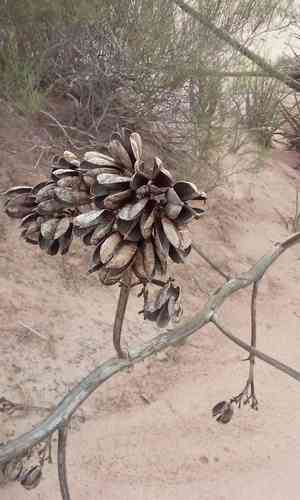
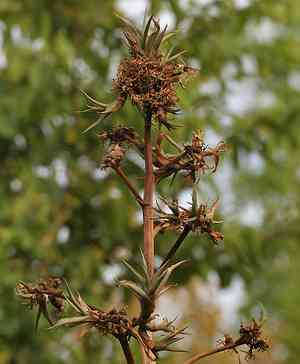
Variegated Caribbean Agave varieties exhibit diversity in size and spread. They are characterized by their rosette formation and thick, fleshy leaves, often featuring striking variegation with green centers and yellow or white edges. These plants can produce tall flower spikes, which emerge as they mature, typically around 10 years of age. These impressive flower spikes are highly attractive to bees, bats, and other pollinators, playing a crucial role in the ecosystem.

Additionally, the extensive root systems of these agaves help stabilize soil and prevent erosion, while their drought-tolerant nature allows them to thrive in arid conditions, contributing to water conservation. The plants also provide habitat and nourishment for various insects and small wildlife, supporting overall biodiversity.

Attributes of Variegated Caribbean Agave

Lifespan
Perennial
Plant Type
Herb, Shrub
Plant Height
91 cm to 1.2 m
Spread
90 cm to 1.2 m
Leaf Color
Green Blue Gray
Flower Size
5 cm to 7 cm
Flower Color
Green Yellow

ForwardPlant - Identify plants with a snap

Identify and diagnose plants, get toxicity alerts, and explore safety guides for all types of fungi.

Try for Free

Images of Variegated Caribbean Agave
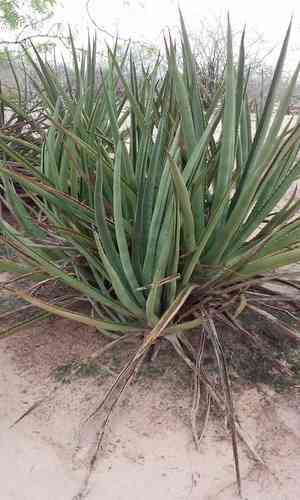
Variegated Caribbean Agave(Agave angustifolia)

Quickly Identify Variegated Caribbean Agave

1
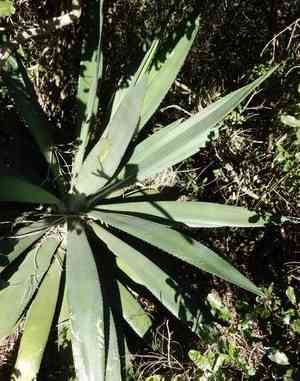
Agave angustifolia can be identified by its narrow, sword-like leaves with sharp spines along the edges and at the tips. Its leaves have a blue-green color and are typically arranged in a rosette formation.

Scientific Classification of Variegated Caribbean Agave

Phylum
Vascular plants
Class
Monocotyledons
Order
Asparagales
Family
Asparagus
Genus
Agaves
Species
Variegated Caribbean Agave

Planting and Growing of Variegated Caribbean Agave

Care Difficulty
Easy
Watering Schedule
Every 2 days
Sunlight Requirements
Full sun
Sunshine Duration
4-8 hours
Ideal Temperature
68-86℉
Soil Type
Potting Mix, Peat Mix
Soil pH
6.5-7.5
Fertilizer Type
Balanced
Pruning Season
Spring, Summer
Pruning Area
Branches, Leaves
Pruning Frequency
2 times a year
Repotting Season
Spring
Pot Type
Plastic, Ceramic

water icon How to Water Variegated Caribbean Agave?

Agave angustifolia prefers to be watered thoroughly but infrequently, following the 'soak and dry' method. Ensure the soil is completely soaked until water drains out from the bottom of the pot. This mimics its natural desert environment where occasional rain is followed by dry spells.
What are the symptoms of an underwatered Variegated Caribbean Agave?
What should I do if my Variegated Caribbean Agave is not getting enough water?
What are the symptoms of an overwatered Variegated Caribbean Agave?
How to save an overwatered Variegated Caribbean Agave?

sunlight icon What Are the Sunlight Requirements for Variegated Caribbean Agave?

Sunlight Requirements: Full sun, Partial sun
Duration of light: 4 to 6 hours
For Agave angustifolia, the ideal light range includes full sunlight for strong growth. Access to morning light for half the day can facilitate growth efficiency and overall plant resilience.
Optimal Sun Exposure
Achieving Ideal Light Conditions
Benefits of Proper Sunlight

temperature icon What Is the Ideal Temperature Range for Variegated Caribbean Agave?

Ideal Temperature: 68 ~ 86℉
The ideal temperature range for Agave angustifolia is between 68°F and 86°F. Within this range, the plant can perform optimal physiological processes like photosynthesis and growth. Maintaining stable temperatures helps prevent stress, ensuring that the plant remains healthy and robust. Agave angustifolia thrives in warm, arid climates where temperatures are consistently within this ideal range.

soil icon What Soil is Best for Variegated Caribbean Agave?

Soil type: Sandy soil, Loam
Soil PH: 6.5 ~ 7.5
Agave angustifolia thrives in well-drained soil that prevents root rot. This type of soil allows excess water to flow away quickly, ensuring the roots aren't waterlogged, which is crucial for its survival in both pots and landscapes. This plant prefers soil that isn't overly rich in nutrients. A lean soil encourages the agave to develop strong, deep roots as it seeks out nutrients. Such conditions mimic its natural desert environment, promoting resilience and longevity. Incorporating gravel into the soil mix helps to further enhance drainage, which is key for Agave angustifolia. The gravel also aids in replicating the naturally rocky habitats of this species, supporting its structural stability and growth.

fertilize icon How to Fertilize Variegated Caribbean Agave?

Fertilizer type: Balanced
For Agave angustifolia, the amount of fertilizer must be moderate, ensuring you use half the recommended dose on the label, especially for liquid solutions. This careful moderation helps in avoiding nutrient overabundance, which might stress the plant rather than nurture it.

prune icon How to Prune Variegated Caribbean Agave?

Pruning Time: Spring, Summer
Start by carefully examining the plant and identify any dead, discolored, or damaged leaves. Removing these will improve the plant's overall aesthetics and health, enabling better air circulation. Once the flower stalk of Agave angustifolia has bloomed and completed its lifecycle, it should be cut down. This prevents it from draining energy from the main plant, allowing it to focus on vegetative growth. If the leaves have grown too long and are disrupting the overall shape of the plant, carefully trim the edges back to maintain a neat, symmetrical form. Use sharp shears and try to cut in a way that mimics the natural shape of the leaves. More About Pruning Techniques

propagate icon How to Propagate Variegated Caribbean Agave plant?

Propagate Time: Spring, Early spring, Late summer
1
Collect ripe seeds, soak them in water for a day to break dormancy, and sow them in a well-draining cactus mix at a shallow depth. Maintain a humid environment and consistent temperature for faster germination.
2
Carefully detach offsets from the mother plant using a sharp knife. Ensure the offsets have developed roots for successful transplantation. Allow cuts to dry for a few days to prevent rotting when planted.
3
Divide mature plants during early spring. Ensure each division has adequate root mass. Plant each division in a separate pot with well-draining soil.
More About Propagating Techniques

repot icon How to Repot Variegated Caribbean Agave plant?

Repotting frequency: Every 2-3 years
1
Repot your Agave angustifolia when you notice roots are growing out of the drainage holes or forming a tight ball inside the pot. Spring and summer are ideal for repotting as the plant is actively growing and can recover quickly from the stress of repotting.
2
Select a pot that is 1-2 inches larger in diameter than the current pot. It should have excellent drainage to prevent waterlogging, which can cause root rot. A terracotta pot with drainage holes is ideal as it allows for air circulation and evaporation, keeping the roots healthy and giving the agave root system ample space to expand.
3
Opt for well-draining cactus soil mixed with sand or perlite. This ensures that excess water is quickly drained away, preventing root rot and fungal infections. Such soil mimics the plant's natural arid habitat, promoting robust growth and reducing the risk of water-related issues.

ForwardPlant - Identify plants with a snap

Find the best spots for them to optimize their health, simply using your phone.

Try for Free

Toxicity

Ingestion

Identify toxic plants for your safety

Learn which plants are harmful to you and your pets, and make informed choices for a safer home!

Try for Free
WARNING
The judgment on toxicity and danger is for reference only. We DO NOT GUARANTEE any accuracy of such judgment. Therefore, you SHALL NOT rely on such judgment. It is IMPORTANT TO SEEK PROFESSIONAL ADVICE in advance when necessary.