How to Transplant Small-flower false foxglove?
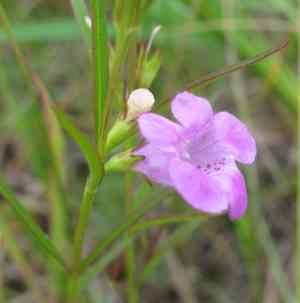
Small-flower false foxglove flourishes when relocated between the beginning and end of spring, facilitating ideal root establishment. Select a bright spot with soil that drains effectively for superior outcomes. Fulfilling these requirements guarantees successful relocation and development.
What Preparations are Needed Before Transplanting Small-flower False Foxglove?
What is the Ideal Time for Transplanting Small-flower False Foxglove?
The best time to move small-flower false foxglove is from early spring's start to late spring's end. Moving it then allows root establishment before summer heat, ensuring strong development. Early spring transfers benefit from cool temperatures and more moisture, aiding in stress-free adaptation.
How Much Space Should You Leave Between Small-flower False Foxglove Plants?
Position small-flower false foxglove 12-18 inches (30-45 cm) apart to allow ample growth and ensure proper air circulation.
What is the Best Soil Mix for Small-flower False Foxglove Transplanting?
Prepare well-draining soil rich in organic material. Incorporate a balanced base fertilizer before transplanting to supply initial nutrients for small-flower false foxglove.
Where Should You Relocate Your Small-flower False Foxglove?
Select a sunny location for small-flower false foxglove. They flourish best in full sun, meaning they require at least 6 hours of direct sunlight daily.
What Equipments Should You Prepare Before Transplantation Small-flower False Foxglove?
Gardening Gloves
To shield your hands while handling soil and plants.
Trowel
To precisely dig small holes.
Shovel or Spade
For larger excavation tasks and moving earth.
Watering Can or Hose
For hydrating the plant and its new spot.
Pruning Shears
To trim any damaged roots or foliage.
Compost
To enrich the planting hole if necessary.
How Do You Remove Small-flower False Foxglove from the Soil?
How Do You Remove Small-flower False Foxglove from the Soil?
From Ground: First, moisten the small-flower false foxglove plant to dampen the soil. Next, dig a wide trench around the plant using a shovel or spade, ensuring the plant's root ball stays intact. Carefully work the spade beneath the root ball to lift the plant from its original position.From Pot: Water the small-flower false foxglove thoroughly to facilitate soil removal. Tilt the pot sideways and gently tap the edges to loosen the soil. Carefully slide the plant out, supporting the root ball with your hands.From Seedling Tray: Water the seedlings to ease their extraction. Use a trowel or your fingers to gently lift each seedling from the tray, ensuring you support the stem's base and root ball.
Step-by-Step Guide for Transplanting Small-flower False Foxglove
Site Preparation
Prepare the new planting area by digging a hole that is twice as wide and the same depth as the small-flower false foxglove's root ball.
Remove Plant
Follow the appropriate removal method based on the current location of your small-flower false foxglove (ground, pot, or seedling tray).
Inspect Roots
Examine the roots of the small-flower false foxglove for any damage. Trim any damaged or excessively long roots with pruning shears.
Plant in Ground
Place the small-flower false foxglove into the prepared hole, ensuring the top of the root ball is level with the ground surface. Fill the hole with soil, gently firming it around the plant to remove air pockets.
Water Thoroughly
Water the small-flower false foxglove generously to help settle the soil and begin the plant's acclimatization process.
How Do You Care For Small-flower False Foxglove After Transplanting?
Watering
Keep the soil around the small-flower false foxglove consistently moist, but not waterlogged, for the initial weeks after transplanting to aid in strong root development.
Mulching
Apply a layer of mulch around the base of the small-flower false foxglove to retain moisture and regulate soil temperature.
Monitoring
Regularly check the small-flower false foxglove for signs of stress like wilting or yellowing leaves and address issues promptly.
Troubleshooting Common Issues with Small-flower False Foxglove Transplantation.
When is the best time to transplant small-flower false foxglove?
Early spring to late spring is the optimal period for moving small-flower false foxglove.
How far apart should I plant small-flower false foxglove?
Space small-flower false foxglove 12-18 inches (30-45 cm) apart to allow for sufficient growth.
How should I prepare the soil for small-flower false foxglove?
Ensure the soil is well-drained and rich in nutrients before transplanting small-flower false foxglove.
What should I do if small-flower false foxglove wilts after transplanting?
Keep soil consistently moist and provide partial shade to help small-flower false foxglove recover.
How deep should the hole be for transplanting small-flower false foxglove?
The hole should be the same depth as the root ball of small-flower false foxglove.
What watering schedule should I follow after transplanting small-flower false foxglove?
Water small-flower false foxglove thoroughly after transplanting, then keep the soil moist, not saturated.
What if small-flower false foxglove shows signs of transplant shock?
Transplant shock in small-flower false foxglove can be reduced by ensuring consistent watering and minimal root disturbance.
Can I use fertilizer immediately after transplanting small-flower false foxglove?
Wait a few weeks after transplanting small-flower false foxglove before applying a balanced fertilizer.
How do I protect newly transplanted small-flower false foxglove from wind damage?
Use wind shelters or barriers for newly transplanted small-flower false foxglove to lessen stress.
Why are the leaves of small-flower false foxglove turning yellow after transplanting?
Yellowing leaves on small-flower false foxglove might indicate overwatering or poor drainage; adjust watering practices accordingly.



