How to Transplant Junco?
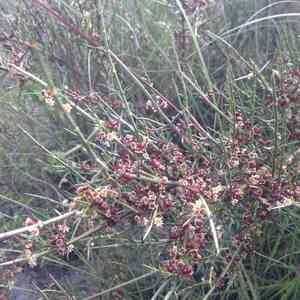
Junco flourishes when transplanted during the balmy period of early to mid-summer, providing conditions favorable for root development. Select bright, adequately drained spots. If any trimming is necessary, guarantee negligible root disruption throughout the procedure.
Essential Preparations Before Relocating Junco?
Optimal Period for Junco Relocation?
Junco is best moved during the initial to middle summer months. This timeframe provides warmer ground temperatures and consistent moisture, fostering strong root development. Relocating junco then maximizes its establishment prior to colder weather, boosting growth and resilience. Such timing supports more robust, healthier plants capable of enduring seasonal stress.
Required Spacing Between Junco Plants?
When moving junco, ensure plants are spaced 3-5 feet (0.9-1.5 meters) apart. This provides ample room for development and prevents crowding, guaranteeing each plant receives sufficient light and nutrients.
Ideal Soil Mixture for Junco Relocation?
Prepare a soil blend that drains effectively for junco. A sandy or loamy soil type is perfect. You can enhance soil fertility by incorporating compost. Adding a balanced foundational fertilizer will give your plants a strong start.
Optimal New Location for Your Junco?
Junco flourishes in direct sunlight. Select a site where it will receive at least 6-8 hours of unfiltered sun daily. Confirm the spot is not shaded by taller vegetation or structures.
Necessary Tools for Junco Relocation?
Gardening Gloves
To safeguard your hands while handling soil and plants.
Shovel or Spade
For excavating and lifting the plant.
Trowel
For more precise work around the root system.
Garden Fork
To assist in loosening the soil surrounding the roots.
Watering Can or Hose
For hydrating the plant during and after its move.
Pruning Shears
To trim any damaged roots or stems.
Plant Label
To identify the plant's new position.
Mulch
To aid in retaining soil moisture post-planting.
Method for Extracting Junco from the Ground?
Method for Extracting Junco from the Ground?
From Ground: First, hydrate the junco plant to moisten the soil. Next, excavate a broad trench around the plant using a shovel or spade, ensuring the plant's root ball remains intact. Carefully maneuver the spade beneath the root ball to lift the plant from its initial spot.From Pot: Gently tap the pot's sides to loosen the soil. Invert the pot, supporting the plant with your hand. Carefully slide the plant out, ensuring the root ball stays whole.From Seedling Tray: Water the seedling tray to facilitate removal. Using a trowel or your fingers, gently lift the seedlings from the tray, taking care not to harm the delicate roots.
Detailed Guide for Relocating Junco
Prepare the New Site
Ready the new planting area by digging a hole twice as wide and equally deep as the junco plant's root ball.
Soil Prep
Loosen the soil at the base of the hole and mix in some compost to supply nutrients for the plant.
Remove the Plant
Follow the extraction procedure specific to your plant's original location.
Planting
Position the junco plant in the new hole, ensuring it sits at the same depth as it did previously. Backfill the hole with soil while holding the plant upright.
Firm the Soil
Gently but firmly press the soil around the plant's base to eliminate air pockets.
Water Thoroughly
Provide the plant with a good watering to help settle the soil and offer initial hydration.
Add Mulch
Apply a layer of mulch around the plant's base to help retain moisture and regulate soil temperature.
Post-Transplantation Care for Junco?
Watering
Maintain consistent moisture in the soil around the junco, avoiding sogginess, for the initial weeks after relocation to encourage strong root development.
Protection
If conditions are very hot or windy, use a temporary shade cloth to shield the plant until it has settled in its new spot.
Monitoring
Regularly inspect the plant for any indications of stress or pests, and address issues promptly.
Feeding
After a few weeks, you can begin feeding your junco with a balanced fertilizer to support its growth.
Resolving Common Issues with Junco Relocation.
When is the best time to relocate junco?
The ideal period to move junco is from early to mid-summer.
How much space should I allow between relocated junco plants?
Ensure a spacing of 3-5 feet (0.9-1.5 meters) between each junco plant.
How should I prepare the soil for junco relocation?
Prepare well-drained soil enriched with organic matter for improved root establishment.
What if junco appears wilted after relocation?
Ensure adequate watering and some shade to help junco recover from transplant shock.
How deep should I plant junco during relocation?
Plant junco at the same depth it was previously growing to ensure stability.
What if junco shows no growth after relocation?
Provide sufficient water, check soil conditions, and ensure proper sunlight for growth.
How much water does junco require after relocation?
Water junco regularly to keep the soil moist but not waterlogged.
What type of fertilizer should I use for junco after relocation?
Utilize a balanced, slow-release fertilizer to support the initial growth of junco.
Is pruning necessary for junco after relocation?
Minor pruning can help junco direct its energy towards root establishment.
Can junco be relocated in full sun?
Yes, junco can thrive in full sun, provided it receives ample sunlight.



