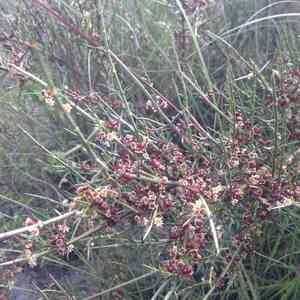
Junco (Adolphia infesta)
Also known as: None
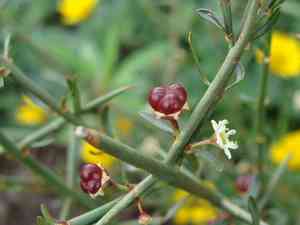
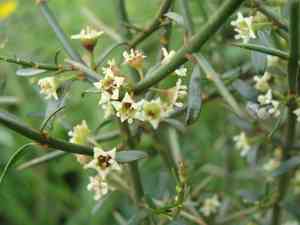
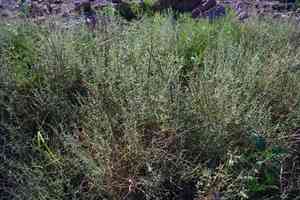
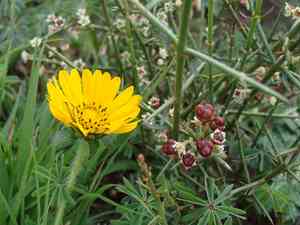
The scrub oak is a resilient shrub notable for its twisted, wiry branches and small, tough leaves that enable it to thrive in dry environments. It produces greenish-yellow flowers, typically found singly or in pairs, which eventually develop into dark, round fruits. This plant often grows in thick clusters, offering essential shelter for wildlife in its natural scrubland settings.
In This Article
Attributes of Junco
Lifespan
Perennial
Plant Type
Shrub
Plant Height
30 cm to 91 cm
Spread
2-4 feet
Leaf Color
Green
Flower Size
0.2-0.3 inches
Flower Color
Yellow
Images of Junco
Quickly Identify Junco
1
To identify Adolphia infesta, look for a dense, thicket-forming shrub with spiny branches. The leaves are small, simple, and oval-shaped. In spring, it produces small yellow flowers, followed by red to black berries.
Scientific Classification of Junco
Phylum
Vascular plants
Class
Dicotyledons
Order
Rosales
Family
Buckthorn
Genus
Adolphia
Species
Junco
Planting and Growing of Junco
Care Difficulty
Moderate
Watering Schedule
Every 2 days
Sunlight Requirements
Full sun
Sunshine Duration
6-10 hours
Ideal Temperature
60-75℉
Soil Type
Potting Mix, Peat Mix
Soil pH
6.5-7.5
Fertilizer Type
Balanced
Pruning Season
Spring, Summer
Pruning Area
Branches, Leaves
Pruning Frequency
2 times a year
Repotting Season
Spring
Pot Type
Plastic, Ceramic
 How to Water Junco?
Adolphia infesta appreciates moderate watering, with approximately 250 ml per session. The key is to ensure the soil is evenly moist but not waterlogged, allowing the top inch to dry out between waterings.
What are the symptoms of an underwatered Junco?
›
What should I do if my Junco is not getting enough water?
›
What are the symptoms of an overwatered Junco?
›
How to save an overwatered Junco?
›
 What Are the Sunlight Requirements for Junco?
Adolphia infesta requires full sun exposure, ideally for 6-8 hours daily. This ensures optimal growth, vigorous flowering, and overall plant vitality.
What is the ideal lighting condition for Adolphia infesta?
›
How can you ensure Adolphia infesta receives optimal light?
›
What are the benefits of optimal light for Adolphia infesta?
›
 What Is the Ideal Temperature Range for Junco?
The ideal temperature range for Adolphia infesta is between 60°F and 75°F. This range provides optimal conditions for growth and photosynthesis, allowing the plant to thrive without stress. Consistent temperatures in this range help maintain healthy foliage and flowering patterns.
 What Soil is Best for Junco?
Adolphia infesta thrives in soils that offer excellent drainage. This characteristic prevents waterlogging, which can cause root rot, ensuring the plant's roots receive the necessary oxygen for optimal growth. The plant is adapted to nutrient-poor soils, avoiding the need for rich, fertile earth. This matches its native habitat and reduces the need for frequent fertilization. Adolphia infesta prefers a pH that ranges from neutral to slightly alkaline, which mirrors its natural calcareous environments and promotes healthy plant development.
 How to Fertilize Junco?
Adolphia infesta generally requires a balanced approach to fertilization. Use a 10-10-10 NPK liquid fertilizer at half strength, approximately 1 tablespoon per gallon of water. For slow-release fertilizers, apply no more than 1/4 cup per plant annually to avoid over-fertilization.
 How to Prune Junco?
Start by assessing the plant and identifying branches that are dead, damaged, or crossing each other. This will ensure that you are removing non-vital parts of the plant initially. Always make cuts at a 45-degree angle, just above a node. This encourages new growth in the right direction and prevents water from collecting on the cut surface, reducing the risk of disease.
 How to Propagate Junco plant?
1
Collect the seeds from mature Adolphia infesta plants. It is important to choose healthy and pest-free specimens for seed collection to ensure the viability of the new plants.
2
Choose a healthy branch, and cut a section 4-6 inches long. Remove the lower leaves to prevent rot when the cutting is planted in soil.
3
Plant seeds in well-draining soil, covering them lightly. Plant cuttings in a moist, soilless potting mix, and place them in a warm, bright location out of direct sunlight.
 How to Repot Junco plant?
1
Adolphia infesta should be repotted when you notice its roots outgrowing the current pot, or when water drainage becomes sluggish, indicating compacted soil. Spring is ideal as the plant is beginning to actively grow, ensuring less stress during the transition.
2
Choose a pot that is just slightly larger than the current one with at least one good drainage hole. This prevents waterlogging, a common cause of root rot. A terracotta pot is excellent as it dries out faster, keeping the roots healthy.
3
For the best growth, select a well-draining soil mix, ideally a cactus or succulent potting mix. This type of soil simulates the plant’s natural arid environment, promoting proper drainage and preventing root decay.
Toxicity
Ingestion
WARNING
The judgment on toxicity and danger is for reference only. We DO NOT GUARANTEE any accuracy of such judgment. Therefore, you SHALL NOT rely on such judgment. It is IMPORTANT TO SEEK PROFESSIONAL ADVICE in advance when necessary.



