How to Transplant Chinese yarrow?
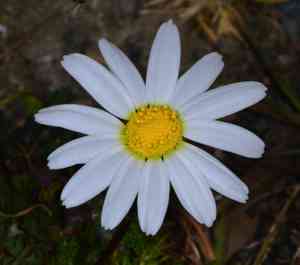
For chinese yarrow, the ideal period for relocation is from the onset of early spring's thaw through the mild temperatures of late spring, facilitating strong root development. Select a site receiving full sun to partial shade, featuring soil that drains effectively, to foster vigorous growth after transplanting.
Preparations Required Before Relocating Chinese Yarrow
Optimal Period for Relocating Chinese Yarrow
Relocate chinese yarrow during the revitalization of early to mid-spring, when the ground thaws and becomes active. This timeframe provides chinese yarrow with a fresh start, featuring mild temperatures and ideal soil moisture, promoting robust development. Moving chinese yarrow in this season allows the plant to establish its root system in the cool, welcoming earth before summer's heat intensifies, which is vital for its endurance and flowering. Gently introducing chinese yarrow to their new home as the garden awakens ensures they adapt alongside their botanical companions, solidifying their position in your vibrant garden display.
Recommended Spacing Between Chinese Yarrow Plants
When preparing to relocate chinese yarrow, aim to provide each plant ample room to thrive! A good guideline is to position them 12-18 inches (30-46 cm) apart. This distance helps guarantee sufficient growth area and air circulation for your perennials.
Ideal Soil Blend for Chinese Yarrow Relocation
Prepare a comfortable bed for your chinese yarrow by blending rich, well-draining soil with a foundational fertilizer. A general-purpose, slow-release granular fertilizer will work wonders, supplying your chinese yarrow with the nutrients it requires to grow strong and healthy.
Optimal Location for Relocating Your Chinese Yarrow
Select a site for your chinese yarrow that basks in abundant sunlight! These beautiful plants flourish in full sun, so choose a location where they can absorb at least 6 hours of direct sunlight daily. This sunny spot will help chinese yarrow achieve their full potential.
Equipment Needed Before Relocating Chinese Yarrow
Gardening Gloves
To safeguard your hands while handling soil and plants.
Spade or Shovel
For excavating the chinese yarrow and preparing the new planting site.
Garden Fork
To loosen the soil around the chinese yarrow during removal.
Watering Can or Hose
To hydrate the chinese yarrow before extraction and to maintain soil moisture after relocation.
Trowel
For refining the planting hole and for smaller plant sizes.
Wheelbarrow or Garden Cart
To move the chinese yarrow from one spot to another, especially if it's large.
Root Pruner or Sharp Knife
For severing any tough roots that might be encircling the pot or root-bound.
Organic Mulch
To aid in moisture retention and weed suppression around the new planting area.
Measuring Tape
To ensure correct spacing between newly relocated plants.
Method for Extracting Chinese Yarrow from the Soil
Method for Extracting Chinese Yarrow from the Soil
From Ground: First, hydrate the chinese yarrow plant to moisten the soil, which helps minimize root damage. Use a spade or shovel to dig a wide perimeter around the plant. Aim to include a substantial portion of the root system to avoid severing roots. Gently work the garden fork beneath the plant to ease it out of the soil.From Pot: Place your hand over the top of the pot with the chinese yarrow stem between your fingers. Invert the pot and gently tap the bottom to dislodge the plant. If the plant resists, you may need to run a trowel along the inner edge of the pot to free the roots.From Seedling Tray: Water the seedlings thoroughly. Use a trowel to scoop beneath the root ball of each chinese yarrow seedling. It's crucial to handle the plants by the root ball rather than the stem or leaves, which can cause harm.
Step-by-Step Instructions for Relocating Chinese Yarrow
Prepare the New Location
Excavate a hole in the ground that is twice as wide and equally deep as the root ball of the chinese yarrow. Amend the soil removed from the hole with compost to enhance its structure.
Root Ball Management
Before relocating, inspect the root ball of your chinese yarrow for any deceased or damaged roots and trim them if necessary. If roots are densely packed, gently separate them with your fingers or a fork.
Positioning
Place the chinese yarrow in the center of the hole at the same depth it was previously growing. Ensure that the plant is upright and the top of the root ball is level with the soil surface.
Backfill the Hole
Fill the hole with the amended soil, gently pressing down around the roots to eliminate any air pockets. Do not bury the plant deeper than its original growing depth.
Watering
After planting, thoroughly water the chinese yarrow to settle the soil around the roots and to help alleviate transplant shock.
Mulching
Apply a layer of organic mulch around the base of the chinese yarrow, being careful not to press it against the stem, which could lead to rot.
Post-Relocation Care for Chinese Yarrow
Watering
Ensure the soil around the chinese yarrow remains consistently moist, but not waterlogged, while new roots are developing during the initial growing season.
Mulching
Maintain a layer of mulch around the chinese yarrow to help retain soil moisture, regulate soil temperature, and reduce weed competition.
Pruning
Remove any yellow or dead leaves that may appear after relocation to encourage healthy new growth and to prevent unnecessary stress on the chinese yarrow.
Monitoring
Regularly inspect the chinese yarrow for indications of transplant shock, such as wilting, leaf drop, or discoloration, and take appropriate corrective measures.
Resolving Common Issues with Chinese Yarrow Relocation.
Why is my chinese yarrow wilting after relocation?
Wilting may be due to transplant shock. Water your chinese yarrow generously and shield it from intense sunlight for a few days.
What is the ideal period to relocate chinese yarrow?
The perfect time to relocate chinese yarrow is from early spring's beginning to late spring, when growth is most vigorous.
How much space should I leave between chinese yarrow when relocating?
For optimal growth, allow a gap of 12-18 inches (30-45 cm) between each chinese yarrow. This will provide them ample room to flourish.
Can chinese yarrow be relocated during summer?
It's best to adhere to spring relocation. Summer's heat can stress chinese yarrow, potentially impacting survival and growth.
What soil conditions does chinese yarrow prefer when relocating?
Ensure the soil is well-draining with moderate fertility. Saturated or clay-heavy soils can cause root rot in chinese yarrow.
How deep should I plant chinese yarrow's root ball?
The root ball should be planted at the same depth it was in its previous location. Planting too deep can harm the plant.
Should I add fertilizer when relocating chinese yarrow?
Adding a slow-release balanced fertilizer at the time of relocation can help chinese yarrow establish more quickly.
What watering schedule is recommended post-relocation for chinese yarrow?
Water chinese yarrow deeply after relocating, then maintain a consistent watering schedule, allowing the topsoil to dry between sessions.
How do I identify root rot in chinese yarrow post-relocation?
Signs include wilting, yellow leaves, and black or mushy roots. If suspected, trim affected roots and improve drainage.
Is mulch beneficial when relocating chinese yarrow?
Absolutely! Mulch helps retain soil moisture, suppresses weeds, and provides insulation. Just ensure it doesn't touch the stems.



