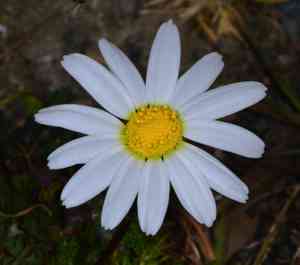
Chinese yarrow (Achillea alpina)
Also known as: Alpine Yarrow
**Achillea alpina**, commonly known as Chinese yarrow, Alpine yarrow, or Siberian yarrow, is a perennial herbaceous plant found in both Asia and North America. Its flowerheads can be mistaken for those of common yarrow (Achillea millefolium), but the key difference lies in its foliage, which is flat, linear, and lacks stalks.
In This Article
Attributes of Chinese yarrow
Lifespan
Perennial
Plant Type
Herb
Plant Height
51 cm to 91 cm
Spread
45 cm
Leaf Color
Green
Flower Size
2.5 cm to 5 cm
Flower Color
White Yellow Pink Violet
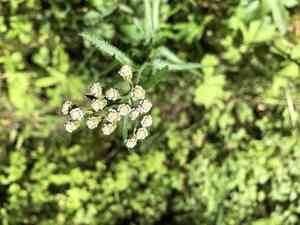
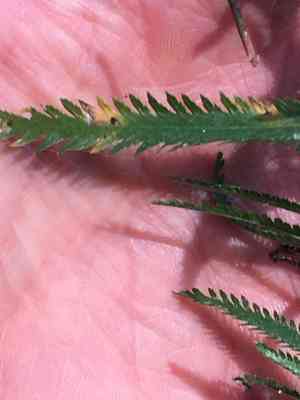
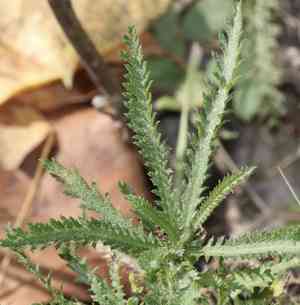
Images of Chinese yarrow
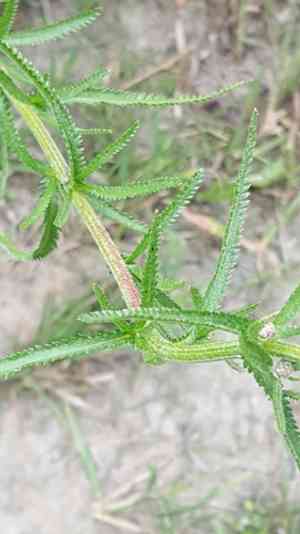
Quickly Identify Chinese yarrow
1
Achillea alpina can be identified by its finely divided, fern-like leaves and clusters of small, white or pale yellow flowers. It typically grows in dense clumps and has a strong, distinctive aroma when the leaves are crushed.
Scientific Classification of Chinese yarrow
Phylum
Vascular plants
Class
Dicotyledons
Order
Asterales
Family
Daisy
Genus
Yarrows
Species
Chinese yarrow
Planting and Growing of Chinese yarrow
Care Difficulty
Easy
Watering Schedule
Every 2 days
Sunlight Requirements
Full sun
Sunshine Duration
4-8 hours
Ideal Temperature
60-75℉
Soil Type
Potting Mix, Peat Mix
Soil pH
6.5-7.5
Fertilizer Type
Balanced
Pruning Season
Spring, Summer
Pruning Area
Branches, Leaves
Pruning Frequency
2 times a year
Repotting Season
Spring
Pot Type
Plastic, Ceramic
 How to Water Chinese yarrow?
Achillea alpina should be watered until the topsoil feels thoroughly moist, roughly to a depth of several inches. This ensures the roots receive adequate moisture without sitting in waterlogged soil, which can cause rot.
What are the symptoms of an underwatered Chinese yarrow?
›
What should I do if my Chinese yarrow is not getting enough water?
›
What are the symptoms of an overwatered Chinese yarrow?
›
How to save an overwatered Chinese yarrow?
›
 What Are the Sunlight Requirements for Chinese yarrow?
Achillea alpina prefers a light range of full to partial sun, benefiting greatly from at least 6 to 8 hours of sun daily. This exposure fosters optimal growth and bloom density.
More About Sunlight Requirements Techniques→
Ideal Amount of Sunlight
›
Solution for Ideal Sunlight
›
Benefits of Ideal Sunlight
›
 What Is the Ideal Temperature Range for Chinese yarrow?
Achillea alpina thrives best within a temperature range of 60°F to 75°F. This range ensures optimal metabolic processes and supports healthy flowering. Consistency within this range allows the plant to establish strong roots and foliage, critical for its survival and blooming in the growing season.
 What Soil is Best for Chinese yarrow?
Achillea alpina thrives in well-draining soils. This prevents water from pooling around the roots, which can cause root rot. Well-draining soils allow oxygen to reach the roots more effectively, promoting healthy plant growth. This plant prefers soils rich in organic matter. Nutrient-rich soils provide a steady supply of essential nutrients, supporting vibrant blooms and robust foliage. Incorporating compost or aged manure can enhance soil fertility. Achillea alpina requires soils that moderately retain moisture. While they should not be waterlogged, a certain level of moisture retention ensures that the plants receive consistent hydration during dry spells.
 How to Fertilize Chinese yarrow?
Achillea alpina prefers a balanced amount of fertilizer to promote healthy growth. Use approximately 2-4 tablespoons of balanced fertilizer per plant. Avoid excessive fertilizer as it can lead to weak growth or even root burn.
 How to Prune Chinese yarrow?
Begin by pinching off the tips of the stems in early spring when new growth appears. This technique promotes bushier growth and increases the number of flowers. During the flowering season, regularly remove spent blooms by snipping them off close to the first set of leaves. This encourages the plant to produce more flowers. In late summer or early fall, cut the plant back by about half its height. This helps remove old, woody growth and prepares the plant for robust growth in the next season.
More About Pruning Techniques→
 How to Propagate Chinese yarrow plant?
1
Start by filling seed trays with a well-draining soil mix. Sow Achillea alpina seeds on the soil surface and press them gently, do not cover them as they need light to germinate. Maintain consistent moisture and expose them to indirect sunlight.
2
Once seedlings reach a height of 5 cm, they can be transplanted. Gently lift them from the tray to avoid damaging the roots. Plant them in prepared garden beds spaced about 30 cm apart to allow for mature growth.
3
For division propagation, select a mature Achillea alpina plant. Dig carefully around the plant base and lift the clump. Use a sharp knife or spade to divide the plant into sections, each with at least three shoots and healthy roots.
 How to Repot Chinese yarrow plant?
1
Achillea alpina, also known as Alpine Yarrow, should be repotted when you notice roots protruding from drainage holes or the plant becomes root-bound and growth appears stunted. Spring and autumn are ideal times as the plant is less stressed. Repotting during active growth seasons allows the plant to quickly adapt and thrive in its new environment.
2
Select a pot that is one to two inches larger in diameter than the current one. Ensure it has adequate drainage holes to prevent waterlogging, which can lead to root rot. A slightly bigger pot encourages healthy root expansion, providing space for developing roots and ultimately supporting robust plant growth.
3
Opt for a well-draining potting mix specifically formulated for perennials or herbaceous plants. This type of soil ensures proper aeration, which prevents water retention and root diseases. A lightweight, porous mix is ideal, aiding in effective water management while providing the necessary nutrients for lush foliage.
Learn More About Chinese yarrow Diseases
Anthracnose
Bacterial Leaf Spot
Bacterial Soft Rot
Crown Gall
Cyst Nematode
Damping-off
Downy Mildew
Drought Stress
Fusarium Wilt
Gray Mold
Leaf Spot
Mosaic
Nutrient Deficiency
Nutrient Toxicity
Powdery Mildew
Root Rot
Root-knot Nematode
Rusts
Sooty Mold
Spider Mites
Temperature Stress
Thrips Damage
White Mold



