The Hidden Danger in Your Home? Unmasking the Toxicity of the Cardboard palms (Zamia) Plant.
1
Consuming a small number of cardboard palm seeds can be lethal for felines.
2
Every component of cardboard palms contains detrimental glycoside toxins, with the greatest concentrations found in the seeds and fruits.
3
Signs of cardboard palm toxicity encompass liver damage, unconsciousness, and demise.
Are Cardboard palms poisonous to people?
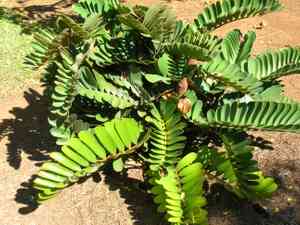
The Cardboard palm is a cycad. It poses a toxic threat to both people and pets, potentially leading to severe digestive and nervous system problems.
Are Cardboard palms harmful to felines?
Cardboard palm plants are highly poisonous to cats if consumed; consider this an urgent situation and take your cat to a vet right away if you believe they've eaten any part of the plant. Signs may include throwing up, dark feces, increased water intake, bloody stools, liver damage, and fatality. Consuming even one or two seeds can be deadly for cats.
Are Cardboard palms dangerous for canines?
Numerous species within the Cardboard palm family are extremely poisonous to dogs. Depending on the specific type, your dog might require prompt veterinary care. Generally, all components of Cardboard palms contain harmful glycoside toxins, though their seeds and fruits typically have the highest concentrations of these toxins. Signs of poisoning encompass throwing up, loose stools, excessive salivation, coordination difficulties, feebleness, liver damage, unconsciousness, and demise.


