Cardboard palms (Zamia)(Zamia)

Cardboard palms (Zamia) (Zamia)

Also known as: Fern palms, Chiguas

Cardboard palms, known scientifically as *Zamia furfuracea*, exhibit several unique traits:
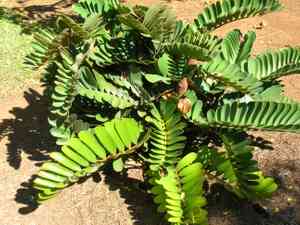
1. **Growth Habit**: These plants are shrubby and compact, often mistaken for ferns or palms due to their appearance.
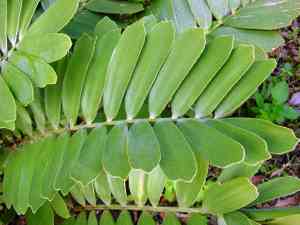
2. **Leaves**: Their leaves are thick, leathery, and oval-shaped, arranged in a spiral pattern.
3. **Stems**: They possess either aerial or subterranean stems.
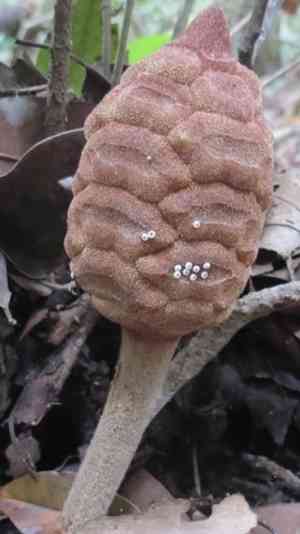
4. **Reproduction**: Unlike ferns, they reproduce via cones rather than spores, with distinct male and female plants.

Native Habitat:
- **Geographical Range**: They originate from the coastal regions of eastern Mexico.
- **Environment**: They prefer warm, dry climates with well-draining, sandy soils.

While naturally found in specific tropical and subtropical areas, cardboard palms are quite versatile and are often used in gardens and as indoor plants due to their hardiness and distinctive look.

Attributes of Cardboard palms (Zamia)

Lifespan
Perennial
Plant Height
0.3 to 1 meter
Spread
Up to 1 meter
Leaf Color
Dark green
Flower Size
N/A (Zamia does not produce flowers, but cones)
Flower Color
N/A

ForwardPlant - Identify plants with a snap

Identify and diagnose plants, get toxicity alerts, and explore safety guides for all types of fungi.

Try for Free

Images of Cardboard palms (Zamia)

Cardboard palms (Zamia)(Zamia)

Quickly Identify Cardboard palms (Zamia)

1
To identify Zamia, look for its pinnate leaves, which are similar to those of ferns. The plants also bear cone-like structures that are brown or reddish-brown in color.

Scientific Classification of Cardboard palms (Zamia)

Phylum
Cycadophyta
Class
Cycadopsida
Order
Cycadales
Family
Zamiaceae
Genus
Zamia

Planting and Growing of Cardboard palms (Zamia)

Care Difficulty
Easy
Watering Schedule
Every 2 days
Sunlight Requirements
Partial sun
Sunshine Duration
8-12 hours
Ideal Temperature
65-77℉
Soil Type
Potting Mix, Peat Mix
Soil pH
5.5-7.5
Fertilizer Type
Balanced
Pruning Season
Spring, Summer
Pruning Area
Branches, Leaves
Pruning Frequency
2 times a year
Repotting Season
Spring
Pot Type
Plastic, Ceramic

water icon How to Water Cardboard palms (Zamia)?

For Zamia, it's essential to water thoroughly, allowing the soil to become evenly moist but not drenched. Aim for around 250 ml to ensure the entire root system gets hydrated without waterlogging the plant. The top 1-2 inches of soil should dry out before the next watering.
What are the symptoms of an underwatered Cardboard palms (Zamia)?
What should I do if my Cardboard palms (Zamia) is not getting enough water?
What are the symptoms of an overwatered Cardboard palms (Zamia)?
How to save an overwatered Cardboard palms (Zamia)?

sunlight icon What Are the Sunlight Requirements for Cardboard palms (Zamia)?

Sunlight Requirements: Partial sun
Duration of light: 4 to 6 hours
Zamia's ideal light conditions range from partial sun to dappled shade, where it can enjoy balanced growth and robust health. This balance ensures Zamia remains vigorous and structurally sound.
How much light does Zamia need?
What can be done to provide ideal light?
Benefits of ideal lighting for Zamia

temperature icon What Is the Ideal Temperature Range for Cardboard palms (Zamia)?

Ideal Temperature: 65 ~ 77℉
For optimal growth, Zamia species thrive best in environments where the temperature ranges from 65°F to 77°F. These conditions mimic their natural habitat, ensuring proper metabolic and physiological functions. Maintaining temperatures within this range helps in achieving maximum photosynthetic efficiency.

soil icon What Soil is Best for Cardboard palms (Zamia)?

Soil type: Loam, Sandy loam
Soil PH: 5.5 ~ 7.5
Zamia requires well-draining soil to prevent root rot from standing water. The soil composition should allow excess water to drain away quickly, ensuring the roots receive adequate oxygen. Incorporating organic matter like compost into the soil improves nutrient availability for Zamia plants, promoting healthier growth and vibrant foliage. While drainage is crucial, maintaining soil moisture is equally important. Using soil that retains moisture can help Zamia during dry periods without causing waterlogging.

fertilize icon How to Fertilize Cardboard palms (Zamia)?

Fertilizer type: Balanced
For Zamia, the fertilizer amount should be moderate. Use a balance of nitrogen, phosphorus, and potassium to ensure a lush growth but avoid over-fertilizing, which can cause leaf burn.

prune icon How to Prune Cardboard palms (Zamia)?

Pruning Time: Spring, Summer, Autumn
Begin by assessing which fronds are dead or damaged. These might appear brown, yellow, or have visible tears. Removing these not only improves the appearance but also reduces the possibility of pests thriving on decaying tissue. Make your cuts at the base of the frond stem. When pruning Zamia, make sure every cut is made at a 45-degree angle. This technique prevents water from pooling on the cut surface, reducing the risk of rot and fungal infection. Also, cutting at an angle promotes quick healing of the plant tissues.

propagate icon How to Propagate Cardboard palms (Zamia) plant?

Propagate Time: Spring, Early summer
1
Begin with selecting a healthy and mature Zamia plant, as the parent plant's health is critical in ensuring successful propagation whether through seeds or division.
2
Create a well-draining potting mix that mimics the Zamia's natural habitat. This should be rich in organic material to provide necessary nutrients for the growing plant.
3
It's vital to maintain consistent moisture levels in the soil medium. Excess water can lead to rot, while too little can cause the plant to dry out before it establishes roots.

repot icon How to Repot Cardboard palms (Zamia) plant?

Repotting frequency: Every 2-3 years
1
Zamia should be repotted when you notice it becoming root-bound or when soil degradation is evident. Look for roots emerging from drainage holes or a growth slowdown as signals it's time to find a new home for your plant. Avoid busy growing periods to minimize stress.
2
Select a pot that is one size larger than its current container with ample drainage holes. The benefits of this choice include providing space for root expansion and preventing waterlogging, promoting healthy growth. Clay pots can be an excellent choice due to their breathability, aiding in moisture control.
3
Opt for a well-draining sandy soil mix with a pH of 6.0-6.5. This type of soil prevents water retention, which can lead to rot. Adding perlite or coarse sand boosts aeration, ensuring the roots receive sufficient oxygen and helping maintain a healthy, thriving plant.

ForwardPlant - Identify plants with a snap

Find the best spots for them to optimize their health, simply using your phone.

Try for Free

Toxicity of Cardboard palms (Zamia)

Is Cardboard palms (Zamia) toxic to humans?

The cardboard palm is a type of cycad that poses a risk of toxicity to humans and animals alike. It can lead to significant gastrointestinal and neurological complications.

Is Cardboard palms (Zamia) toxic to cat?

Cardboard palm plants are extremely hazardous to cats if consumed; it is crucial to treat this situation as an emergency and promptly take your cat to a veterinarian if you suspect that he or she has ingested any part of the plant. Signs of toxicity may include vomiting, dark stools, heightened thirst, bloody diarrhea, liver failure, and even death. Just consuming one or two seeds can be lethal for cats.

Is Cardboard palms (Zamia) toxic to dog?

Numerous species from the cardboard palms genus are extremely poisonous to dogs. Depending on the specific species involved, your dog might require urgent veterinary care. Generally, every part of cardboard palms harbors harmful glycoside toxins, yet the highest concentrations are typically found in their seeds and fruits. Signs of poisoning can manifest as vomiting, diarrhea, excessive drooling, coordination issues, weakness, liver failure, coma, and ultimately, death.


Identify toxic plants for your safety

Learn which plants are harmful to you and your pets, and make informed choices for a safer home!

Try for Free
WARNING
The judgment on toxicity and danger is for reference only. We DO NOT GUARANTEE any accuracy of such judgment. Therefore, you SHALL NOT rely on such judgment. It is IMPORTANT TO SEEK PROFESSIONAL ADVICE in advance when necessary.
More About Toxic Techniques