The Hidden Danger in Your Home? Unmasking the Toxicity of the Chandelier plant Plant.
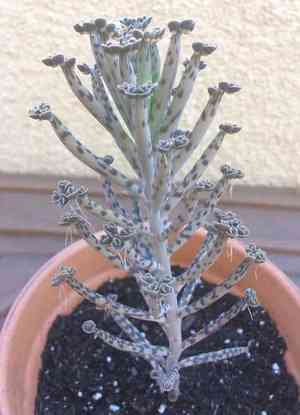
1
Every component of the chandelier plant, encompassing its foliage, stalks, and blossoms, is poisonous to animals.
2
Consumption of chandelier plant may lead to emesis, loose stools, sluggishness, and alterations in pet behavior.
3
Prompt veterinary attention is essential if an animal ingests any portion of the chandelier plant.
Is Chandelier plant harmful to felines?
The Chandelier plant, recognized for its striking appearance, presents a slight toxicity hazard to cats. If ingested in large quantities, every part of the Chandelier plant can be detrimental. Ingestion might result in signs of physical unease, indicating discomfort. Should a cat consume any part of the Chandelier plant, it is vital to obtain prompt veterinary assistance to safeguard the pet's well-being. Swift medical intervention is essential to manage symptoms and avert further issues.
Is Chandelier plant harmful to canines?
The Chandelier plant presents a minor toxicity danger to dogs. Dogs can experience poisoning from this plant if they consume it in significant quantities. All components of the Chandelier plant are toxic, meaning that ingesting any part, be it leaves, stalks, or blooms, could potentially cause poisoning. Dog guardians should be watchful for indications of poisoning, which might include throwing up, loose stools, sluggishness, or alterations in demeanor. If you suspect your dog has eaten Chandelier plant, it is crucial to seek immediate veterinary attention to ensure the best possible result for your animal.



