The Hidden Danger in Your Home? Unmasking the Toxicity of the Camphor tree Plant.
1
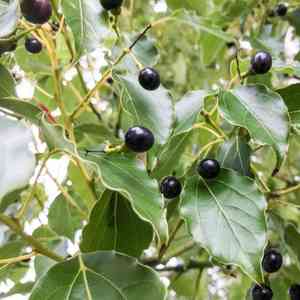
'Camphor tree' presents a hazard to felines and canines, with every component, particularly the seeds, being dangerous if consumed.
2
Signs of toxicity encompass emesis, loose stools, stomach discomfort, and in serious instances, possible convulsions or hepatic dysfunction.
3
Prompt veterinary care is essential for any suspected 'camphor tree' intoxication in companion animals to safeguard their well-being and recuperation.
Is Camphor tree toxic to cat?
The 'camphor tree' presents a toxic risk to felines; all components of the plant, especially its seeds, are hazardous if consumed. Should cats inadvertently ingest parts of the 'camphor tree', they face the danger of poisoning, which may manifest as signs of physical distress or sickness. If a cat is thought to have been poisoned by 'camphor tree,' it is vital to obtain prompt veterinary care, as expert intervention is essential for the cat's well-being and recuperation.
Is Camphor tree toxic to dog?
The camphor tree is deemed harmful to canines. Dogs can suffer poisoning from this plant if they consume it by accident. The harmful substances are found throughout the entire plant, including its seeds, presenting a danger to dogs that might eat any part of the camphor tree. Poisoning symptoms can differ but might include throwing up, loose stools, stomach discomfort, and in serious instances, convulsions or liver damage. It is critical for dog guardians to stop their pets from getting to camphor tree and to watch for any indications of trouble that could suggest ingestion. If a dog is believed to have been poisoned by camphor tree, urgent veterinary assistance is necessary to effectively manage the symptoms and offer the best chance for healing.



