The Hidden Danger in Your Home? Unmasking the Toxicity of the Water hemlocks (Cicuta) Plant.
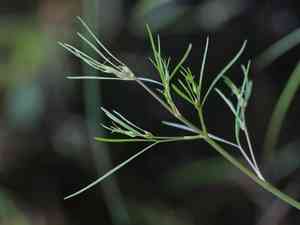
1
Water hemlock is highly toxic to felines, leading to emesis, convulsions, and possibly fatality if consumed.
2
The greatest amount of harmful substances in water hemlock resides in its root system, rendering it exceptionally perilous.
3
Water hemlock vegetation frequently thrives near waterways, presenting an unseen hazard to animals on damp path edges.
Is Water hemlocks toxic to cat?
Water hemlocks poses extreme danger to felines; a potent toxin found throughout the plant can be fatal in severe instances. Initial signs of poisoning include emesis, loose stools, convulsions, muscle tremors, enlarged pupils, elevated temperature, abdominal distension, and breathing difficulties. If you suspect your cat has consumed water hemlocks, seek veterinary care without delay.
Is Water hemlocks toxic to dog?
Water hemlocks intoxication is highly perilous for canines and requires immediate veterinary intervention. Every part of the plant is typically toxic, with the highest concentration of harmful substances located in the roots. Ingesting this plant can result in profuse salivation or heavy breathing, emesis, diarrhea, muscle spasms or seizures, pupil dilation or upward eye movement, rigid limbs, and/or an irregular heart rhythm. In critical situations, unconsciousness or demise can occur. Dog owners should be vigilant for this plant; water hemlocks frequently thrive in waterside environments and occasionally appear along damp path edges.


