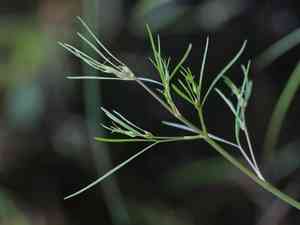
Water hemlocks (Cicuta) (Cicuta)
Also known as: Cowbanes
Water Hemlock (Cicuta maculata) is a highly toxic plant found throughout North America. It is extremely dangerous to both humans and cattle and should never be ingested. Often mistaken for wild parsnips, Water Hemlock thrives in moist environments like streams, marshes, and riverbanks.
Attributes of Water hemlocks (Cicuta)
Images of Water hemlocks (Cicuta)
Quickly Identify Water hemlocks (Cicuta)
Scientific Classification of Water hemlocks (Cicuta)
Planting and Growing of Water hemlocks (Cicuta)
 How to Water Water hemlocks (Cicuta)?
 What Are the Sunlight Requirements for Water hemlocks (Cicuta)?
 What Is the Ideal Temperature Range for Water hemlocks (Cicuta)?
 What Soil is Best for Water hemlocks (Cicuta)?
 How to Fertilize Water hemlocks (Cicuta)?
 How to Prune Water hemlocks (Cicuta)?
 How to Propagate Water hemlocks (Cicuta) plant?
 How to Repot Water hemlocks (Cicuta) plant?
Toxicity of Water hemlocks (Cicuta)
Is Water hemlocks (Cicuta) toxic to cat?
Water hemlocks pose a grave threat to cats; the toxin found throughout the entire plant can lead to fatal outcomes in the most critical situations. Initial signs of poisoning encompass vomiting, diarrhea, seizures, tremors, enlarged pupils, fever, bloating, and respiratory complications. If you suspect that your cat has consumed water hemlocks, it is crucial to obtain medical assistance without delay.
Is Water hemlocks (Cicuta) toxic to dog?
The poisoning caused by water hemlock is highly hazardous for dogs and requires immediate attention from a veterinary expert. Every portion of the plant is generally toxic, but the roots contain the highest concentration of harmful substances. Ingesting this plant can result in excessive salivation or panting, vomiting, diarrhea, muscle twitching or convulsions, pupil dilation or rolling back, stiff limbs, and/or an irregular heartbeat. In extreme cases, there is a risk of coma or even death. It is essential for dog walkers to be aware of this hazardous plant; water hemlocks typically thrive in riparian zones and may also be found along the edges of wet trails.


