The Hidden Danger in Your Home? Unmasking the Toxicity of the Fig-leaved goosefoot Plant.
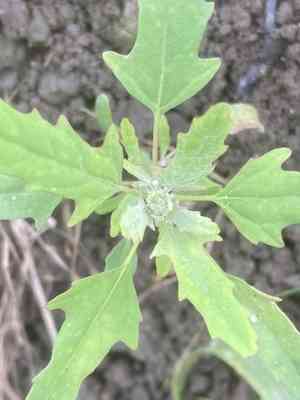
1
Fig-leaved goosefoot has a particular toxicity level because of saponins found throughout its structure.
2
Ingesting even small quantities of fig-leaved goosefoot can lead to serious symptoms, such as severe nausea, emesis, and loose stools.
3
Fig-leaved goosefoot presents a low toxicity risk to felines and canines, resulting in physical distress if consumed.
Is Fig-leaved goosefoot toxic to humans?
Fig-leaved goosefoot exhibits a distinct level of toxicity because of saponins found throughout the plant. Upon consumption, these compounds can induce considerable negative reactions in people. The signs of poisoning are notably severe and may involve digestive upset, marked by intense queasiness, throwing up, and loose stools. Furthermore, individuals might experience head pain, lightheadedness, and an accelerated pulse. The entire plant, including foliage, stalks, and roots, is poisonous, and even small quantities can trigger these symptoms. It is vital for people to prevent unintentional consumption of any portion of fig-leaved goosefoot, as its harmfulness affects everyone indiscriminately.
Is Fig-leaved goosefoot toxic to cat?
Fig-leaved goosefoot, also known as Fig-leaved goosefoot, presents a slight danger to cats. When felines inadvertently consume any part of fig-leaved goosefoot, they can be exposed to harmful saponins found throughout the plant. This can result in various physical discomforts, which, though not detailed, could suggest sickness or pain. Cat guardians should observe their pets for any indications of distress and promptly seek expert veterinary assistance to address the effects of poisoning.
Is Fig-leaved goosefoot toxic to dog?
Fig-leaved goosefoot presents a minor toxicity threat to dogs. Canines might accidentally consume portions of fig-leaved goosefoot, potentially leading to poisoning. The whole plant is harmful, and if eaten, dogs could display symptoms like digestive upset or skin irritation. The existence of saponins in fig-leaved goosefoot contributes to its harmfulness. If a dog exhibits signs of poisoning after ingesting fig-leaved goosefoot, it is crucial to seek immediate veterinary attention.



