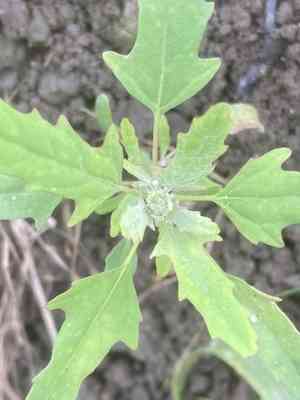
Fig-leaved goosefoot (Chenopodium ficifolium)
Also known as: Small goosefoot
The fig-leaved goosefoot is an annual herb that can reach a height of 10 to 120 cm. It features a green, ribbed stem that stands upright and may appear bare or slightly dusty, especially near the flowers. The leaves, which are weakly coated, have petioles ranging from 3 to 45 mm in length. The plant does not have a noticeable odor.
Attributes of Fig-leaved goosefoot
Images of Fig-leaved goosefoot
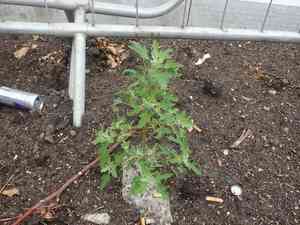
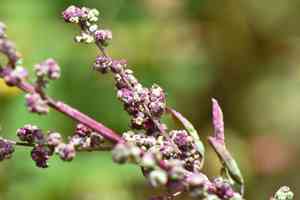
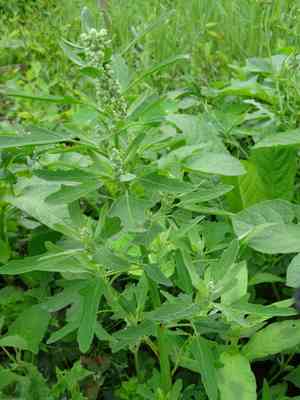
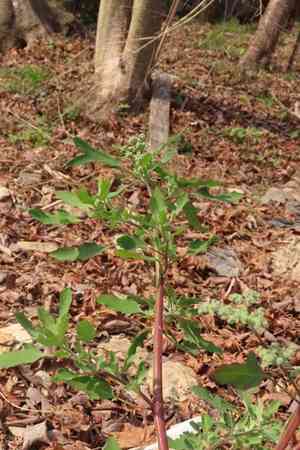
Quickly Identify Fig-leaved goosefoot
Scientific Classification of Fig-leaved goosefoot
Planting and Growing of Fig-leaved goosefoot
 How to Water Fig-leaved goosefoot?
 What Are the Sunlight Requirements for Fig-leaved goosefoot?
 What Is the Ideal Temperature Range for Fig-leaved goosefoot?
 What Soil is Best for Fig-leaved goosefoot?
 How to Fertilize Fig-leaved goosefoot?
 How to Prune Fig-leaved goosefoot?
 How to Propagate Fig-leaved goosefoot plant?
 How to Repot Fig-leaved goosefoot plant?
Toxicity of Fig-leaved goosefoot
Is Fig-leaved goosefoot toxic to humans?
Fig-leaved goosefoot is known for its distinct level of toxicity primarily due to the presence of saponins that permeate the entire plant. When consumed, these toxic compounds can lead to serious adverse reactions in humans. The signs of poisoning can be exceptionally severe, often manifesting as gastrointestinal issues, which include severe nausea, vomiting, and diarrhea. Furthermore, affected individuals might also suffer from headaches, dizziness, and a racing heart. Every part of the plant, such as leaves, stems, and roots, is deemed toxic, and even minimal exposure can lead to these distressing symptoms. It is essential for people to steer clear of any accidental consumption of fig-leaved goosefoot since its toxic effects indiscriminately affect the general population.
Is Fig-leaved goosefoot toxic to cat?
The Fig-leaved goosefoot, commonly referred to by the same name, exhibits mild toxicity for cats. If a cat inadvertently consumes any portion of the fig-leaved goosefoot, it may encounter hazardous saponins that are distributed throughout the plant. This exposure can result in various physical discomforts, though not explicitly detailed, which may suggest the presence of illness or pain. Therefore, cat owners are advised to keep an eye on their pets for any signs of distress and promptly consult a veterinarian to address the potential effects of poisoning.
Is Fig-leaved goosefoot toxic to dog?
Fig-leaved goosefoot presents a slight toxicity threat to dogs. Canines could unintentionally consume portions of the fig-leaved goosefoot plant, resulting in the risk of poisoning. This entire plant is considered toxic, and if ingested, dogs may display symptoms including gastrointestinal distress or skin irritation. The toxicity of fig-leaved goosefoot is due to the presence of saponins. Should a dog demonstrate poisoning symptoms after consuming fig-leaved goosefoot, it is crucial to obtain prompt veterinary assistance.



