The Hidden Danger in Your Home? Unmasking the Toxicity of the Mead's milkweed Plant.
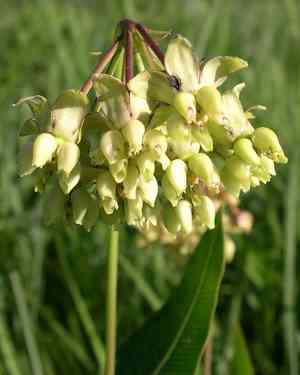
1
Mead's milkweed can lead to toxicity if consumed or touched, with outcomes varying from minor to deadly.
2
The plant's milky fluid holds the greatest amount of poisonous cardiac glycosides, surpassing levels in foliage, stalks, or roots.
3
Signs manifest within a few hours and encompass stomach discomfort, sickness, throwing up, and potentially breathing failure or unconsciousness.
Is Mead's milkweed harmful to people?
Mead's milkweed can lead to toxicity if consumed or if its sap touches the skin. The severity of effects can vary from minor to critical, potentially resulting in fatality. Every part of the plant contains toxins, with the highest amount of cardiac glycosides found in the milky sap. The leaves, stems, and roots have lower concentrations. Symptoms of consumption typically appear within a few hours and include digestive upset, stomach discomfort, loose stools, queasiness, throwing up, fatigue, disorientation, and sluggishness. Consuming significant quantities may lead to breathing difficulties and unconsciousness. Skin and eye irritation will result from contact with the sap.


