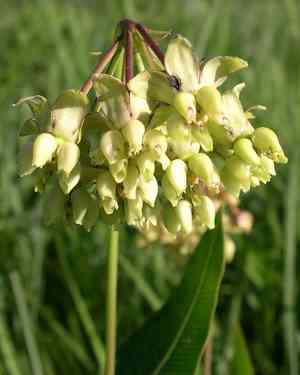
Mead's milkweed (Asclepias meadii)
Also known as: Mead's Milkweed
The Western Prairie Fringed Orchid is a threatened prairie herb that has experienced significant habitat loss. This orchid species may take as long as 15 years to germinate and reach maturity. Its blooms are notably appealing to monarch butterflies.
Attributes of Mead's milkweed
Images of Mead's milkweed
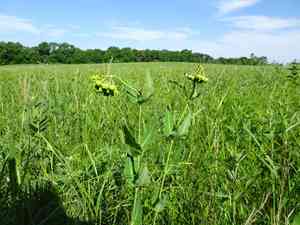
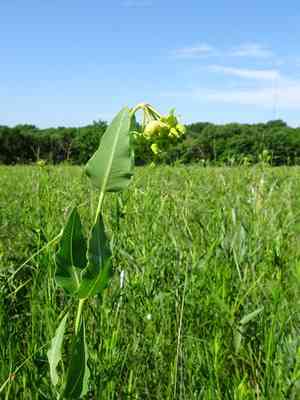
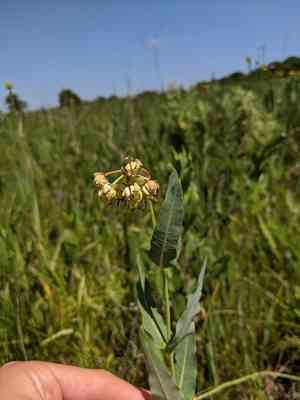
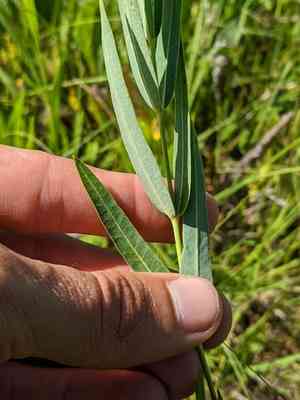
Quickly Identify Mead's milkweed
Scientific Classification of Mead's milkweed
Planting and Growing of Mead's milkweed
 How to Water Mead's milkweed?
 What Are the Sunlight Requirements for Mead's milkweed?
 What Is the Ideal Temperature Range for Mead's milkweed?
 What Soil is Best for Mead's milkweed?
 How to Fertilize Mead's milkweed?
 How to Prune Mead's milkweed?
 How to Propagate Mead's milkweed plant?
 How to Repot Mead's milkweed plant?
Toxicity of Mead's milkweed
Is Mead's milkweed toxic to humans?
Mead's milkweed poses a poisoning risk if ingested or if it contacts the skin. The severity of the reaction can vary from mild to life-threatening, even resulting in death. Every part of the plant contains toxins, with the sap having the highest concentration of cardiac glycosides; the leaves, stems, and roots possess lower levels. Signs and symptoms of ingestion typically manifest within a few hours and may include stomach disturbances, abdominal cramps, diarrhea, nausea, vomiting, weakness, confusion, and lethargy. Consuming substantial quantities can lead to respiratory failure and coma. Additionally, contact with the sap can cause skin and eye irritation.


