The Hidden Danger in Your Home? Unmasking the Toxicity of the Indian hemp (Apocynum) Plant.
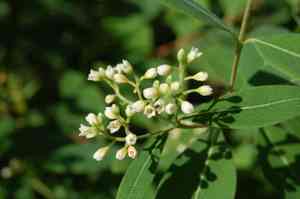
1
Indian hemp poses a moderate toxicity risk to felines and canines, impacting their cardiac and neurological functions.
2
Feline indicators involve seizures and cyanotic mucous membranes, whereas canines might exhibit convulsions and loss of consciousness.
3
Every component of the Indian hemp plant contains cardenolides, leading to detrimental outcomes if consumed by companion animals.
Is Indian hemp harmful to felines?
Indian hemp poses a moderate toxicity risk to cats. Every part of the plant is deemed harmful. Signs of exposure include seizures, bluish gums, decreased appetite, excessive salivation, and throwing up. It is crucial to reach out to your vet if you suspect your cat has consumed any portion of this plant.
Is Indian hemp harmful to canines?
Given that one of this plant's common names is dogbane, its moderate to severe toxicity is unsurprising. Veterinary attention is required following ingestion. Plants in the Apocynum genus contain various cardenolides, which can negatively affect a dog's heart and neurological system. All components of Indian hemp plants contain these harmful substances, leading to symptoms such as throwing up, stomach upset, enlarged pupils, irregular heartbeat, cold paws, and lethargy. In more serious instances, dogs might suffer from convulsions, collapse, or even death.


