Indian hemp (Apocynum)(Apocynum)

Indian hemp (Apocynum) (Apocynum)

Also known as: Dogbane, Indian hemp

Indian hemp, also known as Dogbane (genus Apocynum), consists of temperate flowering plants. Many species in this group are highly toxic to dogs and other animals. Despite their toxicity, Indian hemp flowers are attractive to pollinators. However, they are seldom used as ornamental plants due to their lack of visual appeal.

Attributes of Indian hemp (Apocynum)

Lifespan
Perennial
Plant Height
0.5 to 1.5 meters
Spread
0.5 to 1 meter
Leaf Color
Green
Flower Size
0.5 to 1 cm
Flower Color
White or pink

ForwardPlant - Identify plants with a snap

Identify and diagnose plants, get toxicity alerts, and explore safety guides for all types of fungi.

Try for Free

Images of Indian hemp (Apocynum)

Indian hemp (Apocynum)(Apocynum)

Quickly Identify Indian hemp (Apocynum)

1
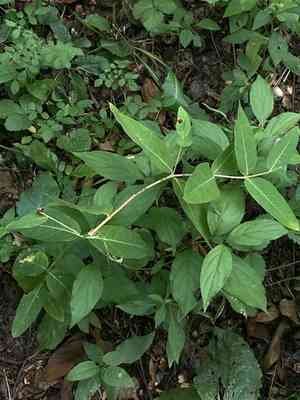
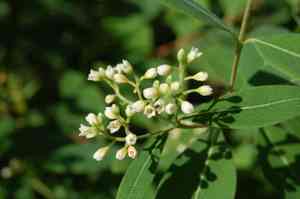
Apocynum plants can be recognized by their opposite leaves, milky sap, small, bell-shaped flowers, and fibrous stems. The flowers are typically pink or white, and the plant exudes a milky latex when broken.

Scientific Classification of Indian hemp (Apocynum)

Phylum
Tracheophyta
Class
Magnoliopsida
Order
Gentianales
Family
Apocynaceae
Genus
Apocynum

Planting and Growing of Indian hemp (Apocynum)

Care Difficulty
Easy
Watering Schedule
Every 3 days
Sunlight Requirements
Full sun
Sunshine Duration
4-8 hours
Ideal Temperature
60-75℉
Soil Type
Potting Mix, Peat Mix
Soil pH
6-7.5
Fertilizer Type
Balanced
Pruning Season
Spring, Summer
Pruning Area
Branches, Leaves
Pruning Frequency
2 times a year
Repotting Season
Spring
Pot Type
Plastic, Ceramic

water icon How to Water Indian hemp (Apocynum)?

Apocynum generally requires about 500 milliliters of water per session. The key is to ensure that the soil is consistently damp, but not soggy. This means watering until you notice a slight runoff from the drainage holes, indicating saturation without over-watering.
What are the symptoms of an underwatered Indian hemp (Apocynum)?
What should I do if my Indian hemp (Apocynum) is not getting enough water?
What are the symptoms of an overwatered Indian hemp (Apocynum)?
How to save an overwatered Indian hemp (Apocynum)?

sunlight icon What Are the Sunlight Requirements for Indian hemp (Apocynum)?

Sunlight Requirements: Full sun, Partial sun
Duration of light: 5 to 8 hours
Apocynum flourishes under partial to full sunlight; such conditions encourage optimal photosynthesis, promoting lush foliage and abundant blooms while strengthening disease resilience.
What is the ideal light for Apocynum?
How to achieve ideal lighting for Apocynum?
What benefits does ideal lighting bring to Apocynum?

temperature icon What Is the Ideal Temperature Range for Indian hemp (Apocynum)?

Ideal Temperature: 60 ~ 75℉
The ideal temperature range for Apocynum is between 60 and 75 degrees Fahrenheit. This range ensures optimal growth and development, as it provides a stable thermal environment that prevents stress and promotes vigorous photosynthesis. Maintaining this temperature range helps the plant to balance its biochemical processes and utilize nutrients efficiently.

soil icon What Soil is Best for Indian hemp (Apocynum)?

Soil type: Loam, Sandy loam, Calcareous soil
Soil PH: 6 ~ 7.5
Apocynum thrives in soils with excellent drainage to prevent root rot. Well-draining soils allow excess water to escape, ensuring that roots have the oxygen they need, thereby promoting healthier plant growth. Nutrient-rich soils bolster Apocynum by supporting vigorous growth. This ensures the plant receives all essential nutrients, boosting its resilience against pests and environmental stress. Maintaining moderate moisture levels in the soil is crucial for Apocynum. Overly wet or excessively dry conditions can hinder its growth, so balanced moisture supports its health and development.

fertilize icon How to Fertilize Indian hemp (Apocynum)?

Fertilizer type: Balanced
For Apocynum, the recommended amount of fertilizer is moderate. When using liquid fertilizer, apply a diluted solution at 1/4 strength to avoid overwhelming the plant. For slow-release fertilizers, a small handful (roughly 20 grams) spread around the base every few months is sufficient.

prune icon How to Prune Indian hemp (Apocynum)?

Pruning Time: Spring, Summer
When pruning Apocynum, begin by using clean, sharp tools to make your cuts. Identify any dead or damaged stems and remove them completely. For shaping, cut back any overgrown branches to a node that faces outward to encourage growth in a desired direction. It's essential to maintain symmetry and allow for adequate air circulation around the plant. For older plants that appear woody or less vigorous, consider rejuvenation pruning. This involves cutting the plant back severely, leaving only the main stems. While this may seem drastic, it stimulates the production of fresh, healthy growth. It's best done in the early spring to allow the plant ample recovery time.

propagate icon How to Propagate Indian hemp (Apocynum) plant?

Propagate Time: Spring, Early spring, Late spring
1
Collect seeds from mature plants and soak them in warm water overnight to expedite germination. Prepare seed trays filled with a mixture of compost and sand to provide a light and free-draining substrate.
2
Select a healthy plant and use pruning shears to cut 4-6 inch long stem cuttings just below a node. Remove the leaves from the lower half of the cutting, and dip the cut end in rooting hormone powder to increase rooting success.
3
Dig carefully around the plant's root mass, taking care not to damage the roots. Use a sharp, sterilized knife to divide the root ball into smaller sections, each with at least one shoot and roots attached, then plant the sections immediately into nutrient-rich soil.

repot icon How to Repot Indian hemp (Apocynum) plant?

Repotting frequency: Every 2-3 years
1
Apocynum needs repotting when growth seems stunted, roots are visibly emerging from drainage holes, or water is sitting on the surface for too long. These are clear signals that the plant requires more space and fresh soil for optimal growth.
2
Select a pot that is 1-2 inches larger in diameter than the current one. Ensure it has excellent drainage holes to prevent waterlogging, which helps in avoiding root rot and diseases that can hinder the plant's health.
3
Use a well-draining potting mix that's rich in organic matter. This encourages healthy root growth and provides essential nutrients, while also ensuring excess water drains away quickly to prevent the roots from rotting.

ForwardPlant - Identify plants with a snap

Find the best spots for them to optimize their health, simply using your phone.

Try for Free

Toxicity of Indian hemp (Apocynum)

Is Indian hemp (Apocynum) toxic to cat?

Indian hemp poses a moderate level of toxicity to cats, as the entire plant is deemed harmful. Signs of poisoning may manifest as convulsions, bluish mucous membranes, decreased appetite, excessive drooling, and vomiting. It is crucial to reach out to your veterinarian immediately if you suspect your cat has consumed any part of this plant.

Is Indian hemp (Apocynum) toxic to dog?

Given that one of the common names of this plant is dogbane, it's hardly unexpected that it is regarded as moderately to highly toxic. If ingested, a visit to the veterinarian becomes essential. Species belonging to the Apocynum genus harbor diverse cardenolides that can have detrimental effects on a dog’s heart and nervous system. Every part of the Indian hemp plant holds these toxic compounds, leading to symptoms such as vomiting, nausea, dilated pupils, irregular heart rate, cool extremities, and lethargy. In more pronounced cases, dogs might suffer from seizures, loss of consciousness, or even death.


Identify toxic plants for your safety

Learn which plants are harmful to you and your pets, and make informed choices for a safer home!

Try for Free
WARNING
The judgment on toxicity and danger is for reference only. We DO NOT GUARANTEE any accuracy of such judgment. Therefore, you SHALL NOT rely on such judgment. It is IMPORTANT TO SEEK PROFESSIONAL ADVICE in advance when necessary.
More About Toxic Techniques