How Much Sunlight Do Arkansas yucca Need?
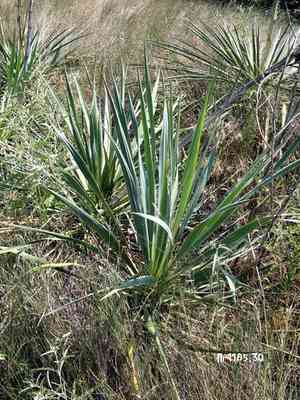
1
The Arkansas yucca thrives in both direct and indirect sunlight, offering flexibility for different garden placements.
2
To avoid foliage discoloration, confirm your Arkansas yucca receives appropriate light levels, not too much or too little.
3
Employing reflective materials can enhance light availability for Arkansas yuccas grown indoors.
Optimal Light Requirements for Arkansas Yucca
Full Sun Exposure
The Arkansas yucca flourishes best when exposed to full sun, meaning it needs at least six hours of direct sunlight daily. Positioning your plant in an open area with uninterrupted sunlight will foster peak growth and flowering. Full sun enables the Arkansas yucca to develop robust stems and vibrant foliage.
Partial Sun: Is It Suitable?
While full sun is ideal, the Arkansas yucca can also adjust to partial sun conditions. This implies your plant can still perform well with 3-6 hours of direct sunlight each day. However, it's crucial to ensure the plant receives direct light during the morning or late afternoon to support its development. Partial sun can be advantageous in particularly hot climates where full sun might be too harsh.
Monitoring Sunlight Intensity
For peak plant health, it's vital to observe the strength of sunlight your Arkansas yucca receives. Excessive direct sunlight, especially in very hot regions, can cause leaves to scorch or become dehydrated. Conversely, insufficient sunlight can lead to etiolated growth, where stems become elongated and weak. Adjusting the plant's location with seasonal changes can help maintain ideal exposure.
How to Position Your Arkansas Yucca for Optimal Sunlight
Choosing the Right Spot
Selecting the appropriate location for your Arkansas yucca involves finding a place that offers ample sunlight while also providing some shelter from extreme weather. For outdoor plants, a south-facing orientation is typically best in the Northern Hemisphere. For indoor plants, placing them near a window that gets several hours of direct sunlight daily is essential.
Using Reflective Surfaces
If you're cultivating an Arkansas yucca indoors and are limited by natural light, employing reflective surfaces can significantly boost the amount of light your plant receives. Placing a mirror or reflective foil near the plant can help direct more sunlight onto it, ensuring better growth conditions even in less than ideal light environments.
Indoor Placement Tips
When growing Arkansas yucca indoors, consider situating it in a brightly lit room with large windows. East or west-facing windows are especially effective as they provide substantial morning or afternoon sun, respectively. Additionally, rotating the plant periodically helps ensure uniform light distribution, preventing uneven development.
Signs Your Arkansas Yucca Is Receiving Too Much or Too Little Sunlight
Leaf Discoloration
A clear indication that your Arkansas yucca is getting too much or too little sunlight is leaf discoloration. Yellowing leaves can signal either a lack or an excess of sunlight. Observing changes in leaf color can guide you in repositioning the plant to achieve the correct balance of light exposure.
Growth Patterns
Experiencing irregular growth patterns is another sign of improper sunlight. For instance, if your Arkansas yucca begins to grow tall and spindly, it is likely seeking more light. Conversely, stunted growth might suggest an overexposure to intense sunlight.
Wilting or Drying Leaves
Wilting or drying leaves are crucial warning signs. If leaves appear limp or parched, it indicates that the plant might be suffering from too much direct sunlight, leading to dehydration. Moving the plant to a spot with filtered light or providing adequate water can help alleviate this issue.
Can Arkansas Yucca Thrive in Low Light Conditions?
Adaptation Strategies
While the Arkansas yucca prefers bright light, it possesses some ability to adjust to dimmer light conditions. The plant may not grow as vigorously, but it can survive with reduced sunlight if it is gradually accustomed to such an environment. Decreasing water and fertilizer amounts can help it cope with the stress of lower light.
Supplementing Natural Light
In situations where natural light is insufficient, supplementing with artificial light can be beneficial. Utilizing LED grow lights, positioned approximately 30 cm (12 inches) above the plant, can mimic natural sunlight, ensuring the Arkansas yucca receives the light spectrum it needs for photosynthesis and growth.



