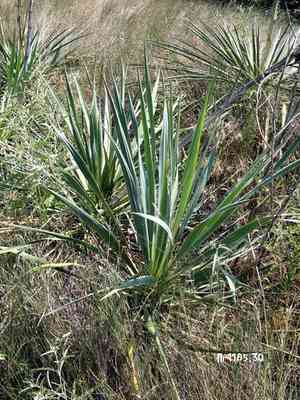
Arkansas yucca (Yucca arkansana)
Also known as: Arkansas Yucca
Yucca arkansana, also known as Arkansas yucca, is native to several states in the south-central region of the United States. Specifically, it can be found in Texas, Oklahoma, Arkansas, Missouri, and Kansas. This plant typically thrives in sunny, gravelly areas such as prairies and rocky outcrops.
In This Article
Attributes of Arkansas yucca
Lifespan
Perennial
Plant Type
Herb
Plant Height
61 cm
Spread
60 cm
Leaf Color
Green
Flower Size
2 to 3 cm
Flower Color
White
Images of Arkansas yucca
Quickly Identify Arkansas yucca
1
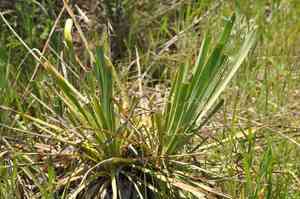
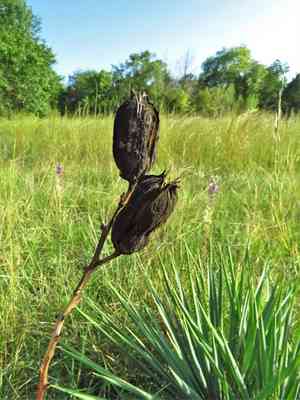
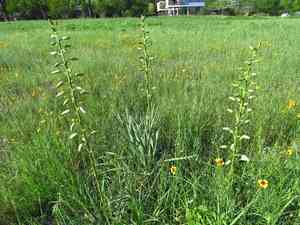
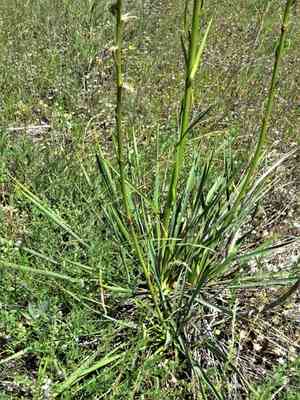
Yucca arkansana can be identified by its stiff, sword-shaped leaves that grow in a rosette pattern. The leaves are typically green with fibrous margins. The plant produces a tall spire of creamy white flowers in the summer.
Scientific Classification of Arkansas yucca
Phylum
Vascular plants
Class
Monocotyledons
Order
Asparagales
Family
Asparagus
Genus
Yuccas
Species
Arkansas yucca
Planting and Growing of Arkansas yucca
Care Difficulty
Easy
Watering Schedule
Every 2 days
Sunlight Requirements
Full sun
Sunshine Duration
6-10 hours
Ideal Temperature
60-75℉
Soil Type
Potting Mix, Peat Mix
Soil pH
6.5-7.5
Fertilizer Type
Balanced
Pruning Season
Spring, Summer
Pruning Area
Branches, Leaves
Pruning Frequency
2 times a year
Repotting Season
Spring
Pot Type
Terracotta, Plastic
 How to Water Arkansas yucca?
Yucca arkansana requires careful watering to ensure its roots are not oversaturated. When watering, aim to saturate the soil to a depth of about 5-10 cm, which roughly translates to 250 ml. This ensures that the water reaches the root zone without causing waterlogging—a condition that can harm the plant. Use a deep soaking technique, letting water seep slowly into the soil, mimicking the sporadic and thorough rainfall it would experience in its natural habitat.
What are the symptoms of an underwatered Arkansas yucca?
›
What should I do if my Arkansas yucca is not getting enough water?
›
What are the symptoms of an overwatered Arkansas yucca?
›
How to save an overwatered Arkansas yucca?
›
 What Are the Sunlight Requirements for Arkansas yucca?
Yucca arkansana flourishes in full to partial sun, ideally 6-8 hours daily. This range enhances photosynthesis, encourages vibrant growth, and fortifies the plant's structural integrity.
More About Sunlight Requirements Techniques→
What is the best light condition for Yucca arkansana?
›
How can I achieve ideal lighting for my Yucca arkansana?
›
What are the benefits of providing ideal light to Yucca arkansana?
›
 What Is the Ideal Temperature Range for Arkansas yucca?
Yucca arkansana thrives best within a temperature range of 60-75°F. This range supports optimal growth and development as it mimics the plant's native climate conditions. Sustaining this temperature range encourages healthy foliage and prevents stress that can be induced by either extreme cold or heat. A stable environment within these parameters can lead to robust and vibrant growth seasons.
 What Soil is Best for Arkansas yucca?
Yucca arkansana thrives in well-drained soil. Proper drainage prevents root rot, ensuring the plant remains healthy and robust. Sandy soil or sandy loam is excellent as it allows water to pass through, preventing waterlogged conditions. This plant prefers soil with moderate fertility. Ensuring the soil is not too rich in nutrients prevents overgrowth and supports the yucca’s natural structure and foliage development, encouraging a stronger and better-shaped plant. While Yucca arkansana can handle dry conditions, it benefits from soil that retains some moisture without staying wet. Loam can provide this balance, offering enough moisture retention with good aeration, which aids in maintaining necessary moisture levels during dry spells.
 How to Fertilize Arkansas yucca?
For Yucca arkansana, it is crucial to avoid over-fertilizing as it thrives in nutrient-poor soils. A balanced, slow-release fertilizer in small quantities, roughly one-quarter the recommended dose for typical houseplants, is suitable. Use a liquid fertilizer diluted to a strength of 1/4 to 1/2 once a month during the growing season.
 How to Prune Arkansas yucca?
Begin by carefully examining Yucca arkansana to identify dead, damaged, or diseased leaves that need removal. This assessment helps you prioritize which parts to prune and ensures you preserve the plant's overall health and vigor. Ensure that your pruning shears are sharp and sterilized before use. Cutting with clean tools prevents the spread of disease and ensures precise cuts, which aids in the plant's quick recovery and maintains its aesthetic appeal. Remove any dead or unwanted leaves by cutting them as close to the base as possible. This method promotes cleaner healing at the cut site and minimizes the risk of disease entering the plant, fostering robust new growth.
More About Pruning Techniques→
 How to Propagate Arkansas yucca plant?
1
Fill the seed tray with a seed-starting mix, ensuring it is evenly moist before sowing the seeds. Create small grooves or holes for the seeds, spaced to allow growth.
2
Select healthy stems free of disease and pests. Using pruning shears, cut 6-8 inch sections, making sure each has several leaves or nodes for optimal root development.
3
Place seeds or cuttings into prepared seed mix. Lightly cover and water gently to settle the mix around them. Maintain consistent moisture without oversaturating.
 How to Repot Arkansas yucca plant?
1
Yucca arkansana needs repotting when it becomes root-bound or shows stunted growth. If you see roots coming out of the drainage holes, or if the soil is drying out too quickly, it's a good signal to repot. This typically happens every 2 to 3 years.
2
Select a pot that is one size larger than the current one and has ample drainage holes. A slightly larger pot prevents the excess moisture buildup, reducing the risk of root rot, and gives your Yucca space to grow comfortably.
3
Opt for a well-draining cactus mix to ensure that water flows efficiently and doesn't stagnate, which can lead to root rot. The mix should include sand or perlite to enhance aeration and drainage for your Yucca's roots.
Toxicity
Ingestion
WARNING
The judgment on toxicity and danger is for reference only. We DO NOT GUARANTEE any accuracy of such judgment. Therefore, you SHALL NOT rely on such judgment. It is IMPORTANT TO SEEK PROFESSIONAL ADVICE in advance when necessary.
Learn More About Arkansas yucca Diseases
Anthracnose
Bacterial Leaf Spot
Bacterial Soft Rot
Black Spot
Chemical Injury
Crown Gall
Cyst Nematode
Damping-off
Drought Stress
Fusarium Wilt
Gray Mold
Leaf Spot
Mosaic
Nutrient Deficiency
Nutrient Toxicity
Powdery Mildew
Root Rot
Root-knot Nematode
Rusts
Sooty Mold
Spider Mites
Temperature Stress
Thrips Damage
White Mold



