How Much Sunlight Do Rush-like air plant Need?
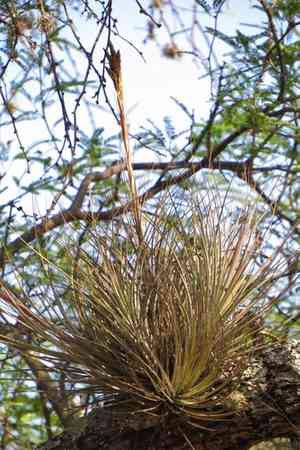
1
This rush-like air plant generally needs 3-6 hours of indirect sun daily.
2
Excessive direct sun exposure may lead to leaf scorching, shown by discoloration or fading.
3
Supplemental artificial light can be beneficial, particularly in colder seasons.
Optimal Illumination for Rush-like Air Plant
Preferred Light Environment
The Rush-like air plant flourishes best with ample, diffused sunlight. Ideally, it should receive approximately 3-6 hours of sun daily. Morning or late afternoon light, when the sun's rays are less harsh, is most beneficial. Positioning the plant near an east or west-facing window offers an excellent balance of light intensity. Be aware that direct, intense midday sun can be overly strong and harmful to this delicate air plant.
Indoor Lighting Considerations
When cultivating a Rush-like air plant indoors, it's vital to ensure it's situated in a well-illuminated area of your home. Prime locations include windowsills, shelves adjacent to windows, or beneath skylights. For challenging low-light spaces, consider supplementing with fluorescent or full-spectrum LED grow lights. These lights emulate natural sunlight and can significantly boost the plant's growth and vitality. Ensure lights are positioned a few feet away to prevent excessive warmth.
When is Direct Sunlight Excessive?
Indicators of Sunburn or Overexposure
Excessive direct sunlight can cause sunburn in Rush-like air plant. Signs of sunburn include browning or bleaching of the foliage, crisp leaf tips, and a generally withered appearance. If these symptoms are observed, it's essential to move the plant to a location with filtered light or provide shade during peak sun hours.
Preventing Damage from Intense Sunlight
To avoid sunburn, gradually introduce your Rush-like air plant to brighter conditions by slowly increasing its light exposure. Employing sheer curtains or placing the plant behind a lightly filtered window can offer the necessary protection without depriving it of essential light. Regular rotation of the plant can also ensure uniform light distribution and prevent one side from becoming overexposed.
Can Rush-like Air Plant Thrive in Dim Light?
Understanding Dim Light Conditions
Dim light conditions refer to environments where the plant receives minimal indirect sunlight, such as north-facing rooms or areas with obstructed windows. While the Rush-like air plant is quite adaptable, prolonged low light can impede its development, causing it to become elongated and diminishing its vibrant coloration.
Adaptation and Survival in Dim Light
If your Rush-like air plant must reside in low-light conditions, there are strategies to aid its adaptation. First, ensure it receives as much natural light as possible by placing it as close to windows or light sources as feasible. Rotate your plant weekly to ensure all sides get light exposure. Additionally, incorporating artificial grow lights can support its growth, particularly during the darker winter months.
Tips for Providing Optimal Illumination to Rush-like Air Plant
Seasonal Light Adjustments
Seasonal changes can affect the quantity and intensity of light your Rush-like air plant receives. In the summer, more indirect light and occasional partial shading may be necessary to shield the plant from intense heat. During the winter, when daylight hours are shorter, positioning the plant to maximize light exposure becomes crucial. Regularly monitor the plant's condition and adjust its placement to accommodate these seasonal variations.
Utilizing Artificial Illumination
Artificial lighting can be transformative for maintaining your Rush-like air plant's health, especially in rooms lacking sufficient natural light. Full-spectrum LED grow lights are ideal as they provide balanced light similar to natural sunlight. Set the lights on a timer to ensure the plant receives consistent illumination, aiming for a cycle that mimics natural daylight, approximately 10-12 hours of light per day. Always monitor the plant to safeguard it from excessive heat emitted by the lights.



