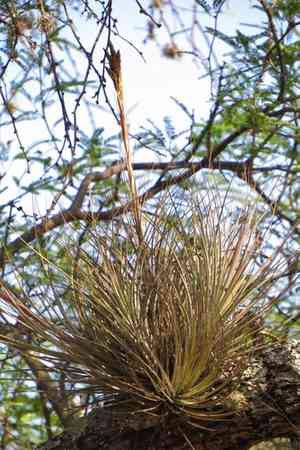
Rush-like air plant (Tillandsia juncea)
Also known as: Bromeliad
While the rush-like air plant (Tillandsia juncea) shares a similar growth habit with other air plants, its distinct appearance sets it apart. It features long, slender, reed-like leaves that are narrower and more elongated compared to other species in the Tillandsia genus, giving it a unique and striking look.
In This Article
Attributes of Rush-like air plant
Lifespan
Perennial
Plant Type
Herb
Plant Height
40 cm
Spread
20 cm
Leaf Color
Green Gray Silver
Flower Size
Around 2-5 cm
Flower Color
Purple Red
Images of Rush-like air plant
Quickly Identify Rush-like air plant
1
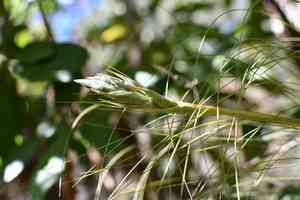
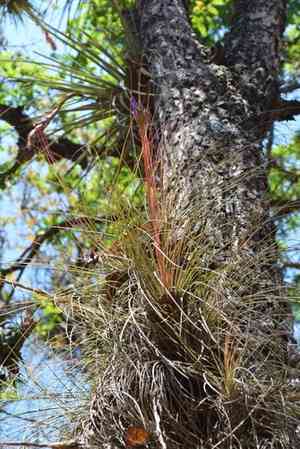
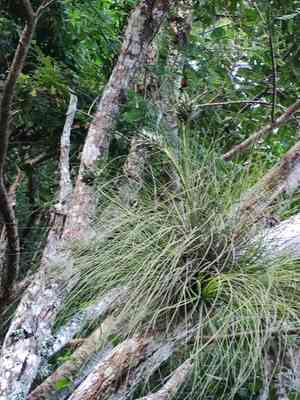
Tillandsia juncea can be identified by its narrow, long, and needle-like leaves. The plant has a compact base with leaves that curve upwards and outwards, resembling a burst or a fountain form.
Scientific Classification of Rush-like air plant
Phylum
Vascular plants
Class
Monocotyledons
Order
Poales
Family
Bromeliad
Genus
Airplants
Species
Rush-like air plant
Planting and Growing of Rush-like air plant
Care Difficulty
Easy
Watering Schedule
Every 2 days
Sunlight Requirements
Partial sun
Sunshine Duration
6-12 hours
Ideal Temperature
60-80℉
Soil Type
Potting Mix, Peat Mix
Soil pH
6.5-7.5
Fertilizer Type
Balanced
Pruning Season
Spring, Summer
Pruning Area
Branches, Leaves
Pruning Frequency
2 times a year
Repotting Season
Spring
Pot Type
Terracotta, Plastic
 How to Water Rush-like air plant?
For Tillandsia juncea, apply about 50 ml of water during each watering session, ensuring the leaves are thoroughly moistened without water pooling in the base. The principle is balance; let the plant dry out between watering sessions to mimic its natural environment.
What are the symptoms of an underwatered Rush-like air plant?
›
What should I do if my Rush-like air plant is not getting enough water?
›
What are the symptoms of an overwatered Rush-like air plant?
›
How to save an overwatered Rush-like air plant?
›
 What Are the Sunlight Requirements for Rush-like air plant?
Partial sun exposure is ideal for Tillandsia juncea. It benefits from 4 to 6 hours of bright, indirect light daily. This lighting supports healthy growth and maintains leaf color vibrancy.
More About Sunlight Requirements Techniques→
What is the ideal light level for Tillandsia juncea?
›
How can I achieve this ideal lighting for Tillandsia juncea?
›
What benefits does ideal lighting provide to Tillandsia juncea?
›
 What Is the Ideal Temperature Range for Rush-like air plant?
The ideal temperature range for Tillandsia Juncea lies between 60°F and 80°F. This range provides the warmth necessary for optimal growth and development while facilitating proper air circulation. In this environment, the plant can thrive, absorb nutrients efficiently, and maintain its natural processes without undue stress.
 What Soil is Best for Rush-like air plant?
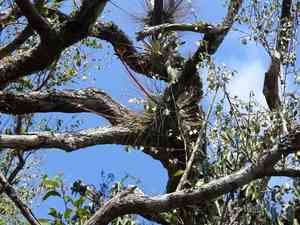
Tillandsia juncea thrives in well-drained soils like sandy or sandy loam. These soil types allow excess water to escape quickly, preventing root rot. Ensuring good drainage mimics its natural epiphytic habitat, helping the plant to remain healthy and vital. Proper aeration is important for Tillandsia juncea, as it enables the roots to breathe. Sandy soils are beneficial because they have large particles, ensuring air circulation around the roots. This mimics the plant's native environments, where it usually attaches to trees. This air plant does not require nutrient-rich soil because it absorbs most of its nutrients and moisture through its leaves from the atmosphere. Therefore, sandy soils, often low in nutrients, are actually beneficial by preventing nutrient overload.
 How to Fertilize Rush-like air plant?
For Tillandsia juncea, it is crucial to use fertilizers sparingly. A balanced liquid fertilizer diluted to 1/4 strength is typically effective. When using slow-release fertilizers, opt for a minimal amount, as air plants require less nutrition compared to traditional plants. Over-fertilizing can lead to damage.
 How to Prune Rush-like air plant?
Begin by examining Tillandsia juncea for any brown or dried leaves. These are the ones that need to be pruned as they can impede the plant's growth and overall health. Utilize clean, sharp scissors or pruning shears to make precise cuts. This ensures a clean cut and reduces the risk of infections, which is crucial for air plants. Make angled cuts close to the base of the dead or damaged leaf. Avoid cutting into healthy tissue as this can harm the plant and disrupt its growth.
 How to Propagate Rush-like air plant plant?
1
Once the Tillandsia juncea plants have flowered and produced seeds, carefully collect the tiny seeds and store them in a dry, cool place until ready to plant.
2
Use a mix of well-draining substrates like orchid bark, sand, or sphagnum moss. The mixture should mimic the natural epiphytic habitat of Tillandsia juncea, providing adequate aeration and drainage.
3
Evenly spread the seeds across the prepared substrate in the seed tray. Lightly mist the surface to enhance germination while ensuring the seeds are not submerged under the substrate.
 How to Repot Rush-like air plant plant?
1
Tillandsia juncea typically signals the need for repotting when its base enlarges excessively or offspring appear. It's also wise to repot if the plant consistently tips over due to increased weight. Optimal times for repotting include the active growing seasons of spring or early summer, allowing the plant ample opportunity for settling and growth.
2
Select a well-ventilated pot that allows good air circulation around the roots. A wire frame or slatted wooden mount often works well for this air plant. The openness of the pot ensures that the plant dries quickly after watering, reducing the chance of root rot, providing a healthier growing environment.
3
For Tillandsia juncea, traditional soil is not necessary. Instead, choose a substrate like orchid bark or sphagnum moss. These materials retain slight moisture while offering excellent aeration, imitating the plant's natural epiphytic growing conditions, promoting healthy respiration and growth.



