How Much Sunlight Do Scarlet sage Need?
1
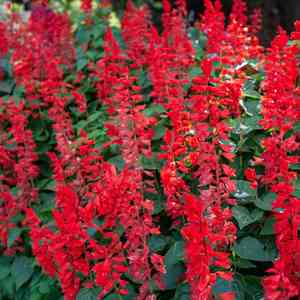
Scarlet sage flourishes optimally under complete solar exposure, requiring a minimum of six hours of direct daylight daily.
2
Excessive shade can lead to reduced flowering and elongated stems in Scarlet sage.
3
Consistently inspect your Scarlet sage for indications of sun-related damage, including drooping or leaf burn.
Understanding Scarlet Sage's Light Requirements
Optimal Illumination for Scarlet Sage
Regarding the perfect light conditions for Scarlet sage, a general guideline is that more sunshine is preferable. Scarlet sage is a heliophilic plant and thrives when exposed to full sunlight. Aim for a minimum of six to eight hours of direct sun each day. This will promote robust growth and vivid blossoms. If cultivating Scarlet sage indoors, position it near a south-facing window to ensure ample natural light.
Partial Shade Versus Full Sun for Scarlet Sage
Although Scarlet sage prefers abundant sun, it can endure some partial shade. In regions experiencing exceptionally hot summers, providing shade in the afternoon can benefit the plant by preventing excessive scorching of its leaves. However, be aware that too much shade can result in fewer flowers and a more elongated plant structure. Ideally, if a shadier spot is necessary, ensure it still receives a good amount of morning sunlight.
Indicators of Excessive or Insufficient Sunlight
Accurately diagnosing your Scarlet sage's lighting needs involves observing its behavior. Symptoms of too much sunlight include leaf burn, where the foliage turns brown and becomes brittle. Conversely, inadequate sunlight will cause the plant to become leggy and produce smaller, less vibrant blooms. Monitor these signs to reposition your plant as needed.
Impact of Sunlight on Scarlet Sage's Growth and Bloom
How Sunlight Influences Flowering
Sunlight directly influences Scarlet sage's flowering. Full sun exposure encourages abundant blooming, making your plant more captivating and colorful. In areas with partial shade, the plant may still produce flowers, but their quantity and intensity will likely be diminished. For gardeners desiring a luxuriant display of red blossoms, ensuring ample sunlight is crucial.
Effect on Foliage Vitality
The health of Scarlet sage's foliage is also significantly impacted by sunlight. With adequate sun, the leaves are strong and display a rich green hue. In contrast, insufficient sunlight leads to pale, sparse foliage. Healthy leaves are vital for the plant's overall vigor and its capacity to produce beautiful flowers.
Potential Problems from Improper Sunlight Exposure
Inappropriate sunlight exposure can lead to several complications. Too much sun, particularly in extremely warm climates, can cause leaf scorch and dehydration. Too little sun results in elongated growth and poor blooming. Regularly inspect your Scarlet sage for any indicators of stress and adjust its placement to avoid these issues.
Tips for Maximizing Scarlet Sage's Sunlight Exposure
Optimal Planting Locations
To maximize sunlight exposure, plant your Scarlet sage in a spot where it can receive full sunlight, ideally more than six hours of direct light daily. Select areas such as open garden beds, south-facing walls, or sunny patios. If planting in containers, you have the flexibility to move the plant to follow the sun throughout the season.
Utilizing Supplemental Lighting
For those cultivating Scarlet sage indoors or in shaded environments, augmenting with artificial light can be advantageous. Use grow lights that emulate the spectrum of natural sunlight. Position the lights approximately 12 inches (30 cm) above the plants and provide about 10-14 hours of light daily to replicate full sun conditions.
Seasonal Adjustments for Sunlight Exposure
Depending on the time of year, you might need to modify your Scarlet sage's location to optimize sunlight exposure. During the summer, offering some afternoon shade can safeguard the plant in exceptionally hot climates. In winter, ensure the plant receives as much light as possible, potentially moving it to a sunnier position or supplementing with artificial light.



