How Much Sunlight Do Woolly frog's mouth Need?
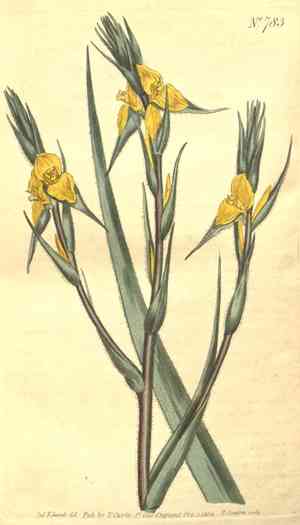
1
Woolly frog's mouth flourishes with ample sunlight, needing a minimum of 6 hours of direct sun each day.
2
Employ supplemental grow lights if natural light levels are inadequate.
3
Observe sun exposure to avoid signs of distress in your plants.
Optimal Light Requirements for Woolly frog's mouth
Native Environment and Light Exposure
The Woolly frog's mouth, originating from Australian wetlands, has evolved to flourish in full sun. In its natural setting, this plant receives uninterrupted sunlight throughout the day. Replicating these conditions in your home or garden can help your Woolly frog's mouth thrive. Aim for a minimum of 6 hours of direct sun for peak growth and vitality.
Direct vs. Diffused Light
Direct sunlight refers to rays that hit the plant without obstruction, whereas indirect sunlight is scattered or reflected. The Woolly frog's mouth prefers direct sunlight as it mimics its native habitat. While some indoor spots may necessitate indirect light, ensuring several hours of direct sun can significantly boost the plant's health and development.
Seasonal Light Intensity Variations
Seasonal shifts can impact the strength and duration of light your Woolly frog's mouth receives. During summer, the plant may get ample direct sunlight, but in winter, light can be weaker and shorter-lived. Adjust your plant's position or consider using grow lights during shorter days to maintain consistent exposure.
Achieving Ideal Sunlight for Woolly frog's mouth
Placement Indoors and Outdoors
Selecting the correct location for your Woolly frog's mouth is vital. Outdoors, position the plant in an area that gets full sun, such as a south-facing garden. Indoors, a sunny windowsill facing south or west will provide sufficient light. Modify its placement if you observe the plant isn't flourishing as expected.
Utilizing Supplemental Light Sources
Artificial grow lights can compensate for insufficient natural light. LED grow lights are a popular option, providing the full light spectrum your Woolly frog's mouth requires for photosynthesis. Place the lights approximately 6 inches (15 cm) above the plant and use a timer to simulate natural daylight cycles, ensuring the plant receives about 12 to 14 hours of light daily.
Observing and Modifying Light Exposure
Regularly monitor your plant's light exposure. If leaves begin to yellow or the plant appears elongated, it might not be getting enough light. Conversely, scorched leaves or browning edges can indicate excessive direct sunlight. Adjust its position or use sheer curtains to filter the light and shield the plant from intense, harsh sun.
Indicators of Incorrect Sunlight Exposure
Symptoms of Insufficient Light
A Woolly frog's mouth not receiving enough light may show signs such as stunted growth, pale or yellowing foliage, and a stretched, leggy appearance. These symptoms suggest the plant is attempting to reach more light, often at the expense of its overall well-being.
Symptoms of Excessive Light
Too much sunlight can result in scorched leaves, which appear brown and brittle, particularly at the edges. The plant may also look dehydrated and wilt even with proper watering. If you notice these signs, it might be necessary to provide some shade during the hottest parts of the day.
Correcting Light Levels
Adjusting light levels for your Woolly frog's mouth involves relocating the plant to a more suitable spot, whether inside or outside. If inadequate light is the issue, try a brighter location or supplement with grow lights. For excessive sunlight, consider offering partial shade or using sheer curtains indoors to diffuse the light.
Common Misconceptions About Sunlight and Woolly frog's mouth
Dispelling Popular Beliefs
A common myth is that all plants can survive solely on indirect light. While some plants do well in lower light, the Woolly frog's mouth thrives on direct sunlight. Another misconception is that more sunlight is always beneficial. Although they need ample light, too much direct exposure can harm the plant.
Evidence-Based Best Practices
Research indicates that the optimal approach to sunlight for the Woolly frog's mouth involves balancing sufficient direct exposure without risking damage from excessive light. Consistently providing about 6 to 8 hours of direct sunlight and supplementing with grow lights during off-season ensures healthy growth. Paying attention to signs of stress and making adjustments as needed is crucial for maintaining a robust and flourishing plant.



