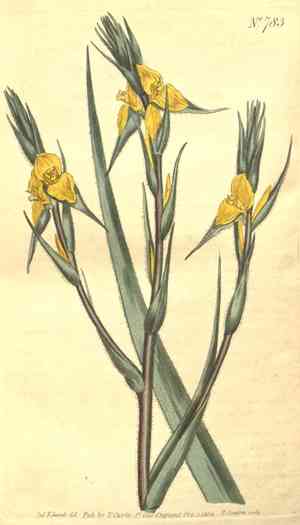
Woolly frog's mouth (Philydrum lanuginosum)
Also known as: Frogsmouth
Monochoria vaginalis is a water garden plant that produces scentless flowers, each lasting only a single day. While it's often found in lily ponds, it also poses a significant problem as an aggressive weed in Chinese and Asian rice paddies due to its self-pollinating nature.
In This Article
Attributes of Woolly frog's mouth
Lifespan
Perennial
Plant Type
Herb
Plant Height
50 cm to 1 m
Spread
1 m
Leaf Color
Green
Flower Size
1.5 to 2 cm
Flower Color
Yellow
Images of Woolly frog's mouth
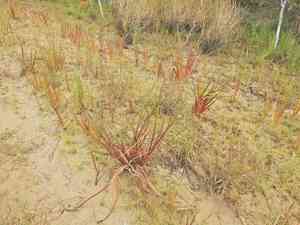
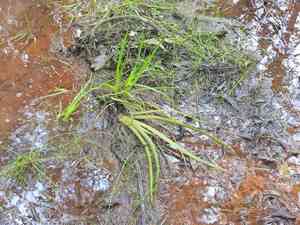

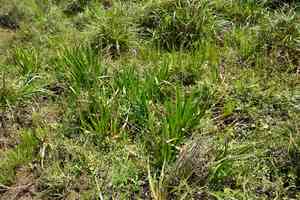
Quickly Identify Woolly frog's mouth
1
Philydrum lanuginosum can be recognized by its woolly flower spikes and sturdy, upright stems. Its leaves are long, linear, and clasping at the base, with a unique soft and hairy appearance.
Scientific Classification of Woolly frog's mouth
Phylum
Vascular plants
Class
Monocotyledons
Order
Commelinales
Family
Philydraceae
Genus
Frogsmouths
Species
Woolly frog's mouth
Planting and Growing of Woolly frog's mouth
Care Difficulty
Easy
Watering Schedule
Every 12 days
Sunlight Requirements
Partial sun
Sunshine Duration
4-8 hours
Ideal Temperature
65-75℉
Soil Type
Potting Mix, Peat Mix
Soil pH
6.5-7.5
Fertilizer Type
Balanced
Pruning Season
Spring, Summer
Pruning Area
Branches, Leaves
Pruning Frequency
2 times a year
Repotting Season
Spring
Pot Type
Plastic, Ceramic
 How to Water Woolly frog's mouth?
Philydrum lanuginosum requires sufficient watering to keep its soil consistently moist but not waterlogged. Use around 500 ml of water each time, making sure it reaches the root zone completely. Avoid leaving standing water to prevent root rot.
What are the symptoms of an underwatered Woolly frog's mouth?
›
What should I do if my Woolly frog's mouth is not getting enough water?
›
What are the symptoms of an overwatered Woolly frog's mouth?
›
How to save an overwatered Woolly frog's mouth?
›
 What Are the Sunlight Requirements for Woolly frog's mouth?
Philydrum lanuginosum thrives in partial sun to full sun conditions, ideally receiving filtered sunlight in the morning to boost photosynthesis, enhancing growth and flowering.
More About Sunlight Requirements Techniques→
What is the ideal lighting condition for Philydrum lanuginosum?
›
How can I provide optimal light exposure?
›
Why is the ideal light important for this plant?
›
 What Is the Ideal Temperature Range for Woolly frog's mouth?
The ideal temperature range for Philydrum lanuginosum is between 65°F and 75°F. Within this range, the plant experiences optimal growth and metabolic processes. These conditions align closely with the plant's native subtropical habitat, ensuring that it receives the warmth needed without excessive heat stress, allowing for robust foliage and root development.
 What Soil is Best for Woolly frog's mouth?
Philydrum lanuginosum thrives in soil that retains moisture well but doesn't become waterlogged. This condition ensures the roots have constant access to water without the risk of root rot, maintaining plant vigor and growth. This plant requires a nutrient-rich soil to support its lush growth. Nutrients such as nitrogen, phosphorus, and potassium are essential for maintaining health and promoting rich, green foliage. While moisture retention is important, it's equally crucial that the soil is well-draining to prevent standing water. Excess water can lead to fungal infections and other detrimental conditions impacting plant vitality.
 How to Fertilize Woolly frog's mouth?
Philydrum lanuginosum requires moderate fertilizer amounts due to its preference for nutrient-rich but not overly saturated soils. For liquid fertilizers, typically use a solution diluted to half strength every watering session. Slow-release fertilizers can be applied using a balanced formula, aiming for an equivalent to two tablespoons per square foot of planting area annually. Be cautious not to exceed recommended amounts as this could lead to root burn.
 How to Prune Woolly frog's mouth?
Start by removing any dead, damaged, or yellowing leaves. These parts of the plant can attract pests or diseases and impact the overall health of Philydrum lanuginosum. Carefully trim the plant back by a few inches to encourage bushier growth. Make precise cuts above a node to stimulate fresh growth in that area. While pruning, aim to maintain a balanced and aesthetically pleasing shape. This not only enhances the appearance but can also help with light and air penetration.
More About Pruning Techniques→
 How to Propagate Woolly frog's mouth plant?
1
Collect mature seeds from Philydrum lanuginosum pods. Clean and dry the seeds thoroughly to avoid mold growth during storage or sowing.
2
Fill seed trays with a suitable substrate, place the seeds on top, and lightly cover them with soil. Mist the soil surface to maintain moisture without oversaturating the seeds.
3
Carefully dig around the plant base to expose rhizomes. Use pruning shears to cut sections containing healthy roots and buds for planting.
 How to Repot Woolly frog's mouth plant?
1
Philydrum lanuginosum should be repotted when you notice root-bound symptoms, such as roots poking out from the drainage holes or the plant looking top-heavy. These signs indicate that the current pot is becoming too small, and root growth has filled the available space.
2
Select a pot that is one or two sizes larger than the current container, with adequate drainage holes to prevent waterlogging. The chosen pot should be stable enough to support the plant's top growth without tipping over. Using an appropriately sized pot ensures proper root development and reduces the risk of overwatering.
3
Opt for moist, rich potting soil that can retain sufficient moisture without becoming waterlogged. This provides Philydrum lanuginosum with the necessary nutrients while maintaining a well-drained environment that prevents root rot. The right soil promotes healthy growth and flowering.
Learn More About Woolly frog's mouth Diseases
Anthracnose
Bacterial Leaf Spot
Bacterial Soft Rot
Bacterial Wilt
Chemical Injury
Crown Gall
Cyst Nematode
Damping-off
Downy Mildew
Drought Stress
Fusarium Wilt
Gray Mold
Leaf Curl
Leaf Spot
Mosaic
Nutrient Deficiency
Nutrient Toxicity
Powdery Mildew
Root Rot
Root-knot Nematode
Rusts
Sooty Mold
Spider Mites
Temperature Stress
Thrips Damage
White Mold



