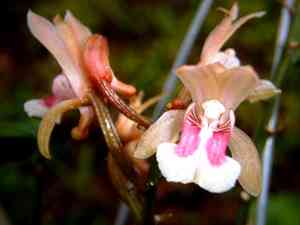
How Much Sunlight Do African spotted orchid Need?
1
African spotted orchids flourish with 3-6 hours of indirect sunlight each day.
2
Employ translucent drapes to soften strong sun exposure if positioning the orchid close to a window.
3
Indicators of excessive light involve leaf burn and diminished coloration.
Grasping the Illumination Needs of the African Spotted Orchid
Native Environment and Light Conditions
The African spotted orchid originates from the African continent, typically thriving beneath the dense forest canopy. This natural setting provides filtered light through thick foliage, making the orchid suited for dappled or indirect sunlight. Understanding these indigenous growth conditions is vital for recreating a similar habitat indoors.
The Importance of Light for African Spotted Orchids
Light is crucial for photosynthesis, the process plants use to create their own sustenance. Insufficient light can impede this process, resulting in stunted development and poor flowering. For the African spotted orchid, light influences not only photosynthesis but also the vivid spotted patterns on its leaves, a characteristic feature of the plant. Ensuring proper light conditions enhances plant health and promotes robust blooming cycles.
Optimal Sunlight Conditions for the African Spotted Orchid
Direct vs. Indirect Illumination
The African spotted orchid thrives in indirect light, mimicking the filtered light it receives in its natural forest environment. Direct sunlight can be overly harsh and may cause leaf burn. Ideally, position your orchid where it gets filtered sunlight for approximately 3-6 hours daily. East- or west-facing windows with sheer curtains can offer the perfect light balance.
Indoor Lighting Solutions
If natural light in your home is limited, you can use artificial illumination as a supplement. Fluorescent lights and LED grow lights are excellent choices for providing the appropriate light spectrum required by the African spotted orchid. Place the lights about 30-50 cm (12-20 inches) above the plant and use timers to simulate natural day and night cycles, ensuring the orchid receives about 12 to 14 hours of light daily.
Indicators Your African Spotted Orchid is Receiving Too Much or Too Little Light
Symptoms of Light Deficiency
An African spotted orchid not receiving adequate light may exhibit dark green leaves, slowed growth, and a lack of blooms. The leaves might become soft and elongated as they reach towards the light source, a clear indication the plant requires more illumination.
Symptoms of Light Excess
Conversely, too much light can lead to scorch marks or brown, crispy leaf edges on the African spotted orchid. The plant's vibrant leaf colors may fade, appearing washed out or bleached. These signs typically appear when the plant is exposed to direct sunlight for extended periods.
Adjusting Light Exposure for Healthier African Spotted Orchids
Utilizing Light Meters to Optimize Light Levels
Light meters can be a beneficial tool for ensuring your African spotted orchid receives the correct amount of light. These devices measure light intensity in foot-candles or lux, offering a quantitative method to fine-tune the ideal exposure. Aim for approximately 1,000 to 2,000 foot-candles (10,000-20,000 lux) for optimal development.
Seasonal Adjustments for Optimal Growth
As seasons change, so do daylight hours and light intensity. In winter, when days are shorter, you might need to move your orchid closer to the light source or extend the duration of artificial lighting. Conversely, in the summer, shield your orchid from intense midday sun by providing additional shade or relocating it to a less exposed position.



