How Much Sunlight Do Fishtail fern Need?
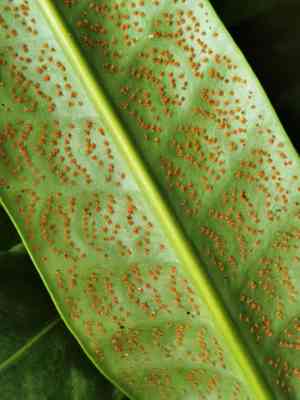
1
The Fishtail fern thrives in well-lit, indirect conditions, making it an ideal houseplant.
2
Fishtail fern foliage may burn if subjected to direct sun for extended durations.
3
Employing translucent drapes can soften light, replicating the optimal environment for Fishtail fern growth.
Ideal Illumination for Fishtail Fern
Grasping Bright Indirect Illumination
The Fishtail fern thrives in luminous, filtered light. This means it prefers a well-lit area without exposure to the sun's intense, direct beams. Positioning it near a window facing north or east is perfect, allowing it to absorb daylight without the harshness that can cause harm. This light balance ensures your Fishtail fern flourishes, displaying rich, green foliage.
Why Direct Sun Exposure Can Be Detrimental
Direct sun exposure can be harmful to the Fishtail fern. Intense rays can lead to leaf scorching, browning, and may even hinder the plant's development over time. It's crucial to remember this plant naturally grows beneath forest canopies, shaded by larger trees. Replicating this environment by avoiding direct sunlight keeps your fern robust and vibrant.
Evaluating Light Levels in Your Residence
To determine if your Fishtail fern receives adequate light, perform a simple hand shadow test. Place your hand between the plant and the light source: if a sharp shadow appears, the light might be too strong. A softer, more diffused shadow indicates suitable conditions. Alternatively, light meters can precisely measure intensity, aiming for 100-200 foot-candles (approximately 1000 to 2000 lux).
Indicators Your Fishtail Fern Is Receiving Excessive Sunlight
Leaf Scorch and Discoloration
If your Fishtail fern is getting too much sun, you might observe browning or scorched leaves. These signs suggest the sun's intensity is too high, burning the delicate foliage. Moving the plant away from direct light or using a curtain to filter the light can prevent further damage.
Limpness and Drooping
Another clear sign of too much sunlight is limp or drooping leaves. When light is excessively strong, it can rapidly dry out the soil and leaves, leading to dehydration. Ensure consistent watering and reposition the fern to a less brightly lit spot to restore its vitality.
Indicators Your Fishtail Fern Requires More Sunlight
Faded or Yellowish Foliage
Insufficient sunlight can cause your Fishtail fern to exhibit pale or yellow leaves. Photosynthesis demands ample light, and without it, the plant cannot produce chlorophyll effectively, resulting in a loss of green color. Provide bright but diffused light to restore its vibrant hue.
Stretched Growth
Stretched growth, where the plant extends towards the light source, is another sign of low light conditions. This growth pattern produces slender, weak stems as the plant attempts to find more light. Moving your Fishtail fern closer to a light source can help it develop more robust and compact.
Modifying Sunlight for Your Fishtail Fern
Utilizing Sheer Drapes to Filter Light
Sheer drapes can be an excellent tool to diffuse light for your Fishtail fern. They help soften the sun's rays, creating an ideal environment of bright yet indirect illumination. This setup will prevent leaf burn and maintain the plant's health.
Relocating to a More Shaded Area
If sheer drapes are not an option, consider moving your Fishtail fern to a more shaded location. Rooms with north or east-facing windows are typically perfect. Adjust its position gradually to avoid shocking the plant, and observe its response to the new light conditions.
Indoor Illumination Alternatives
Fluorescent Lamps
Fluorescent lamps can serve as a good substitute for natural sunlight for your Fishtail fern. They offer a consistent light source and can be positioned at various heights to mimic indirect sunlight. Select full-spectrum fluorescent bulbs to ensure the plant receives the necessary wavelengths for optimal development.
LED Grow Lamps
LED grow lamps are another superb choice for indoor lighting. They are energy-efficient and provide a customizable light spectrum to meet your plant's requirements. Position the lamp approximately 12-24 inches (30-60 cm) above the fern, ensuring it simulates natural light without being too harsh.



