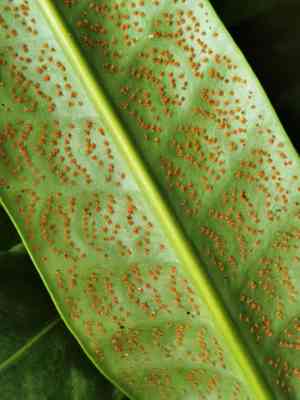
Fishtail fern (Microsorum punctatum)
Also known as: Climbing bird's nest fern, Fishtail fern
The fishtail fern is predominantly native to tropical regions, especially in southern Asia, stretching from India to China. It typically thrives in leaf litter and moss, and can sometimes be found growing in the forks of trees. As an ornamental plant, it can be successfully cultivated in containers, both indoors and outdoors.
In This Article
Attributes of Fishtail fern
Lifespan
Perennial
Plant Type
Herb
Plant Height
40 cm to 60 cm
Spread
60 cm
Leaf Color
Green Blue
Flower Size
N/A
Flower Color
N/A
Images of Fishtail fern
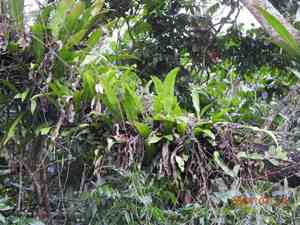
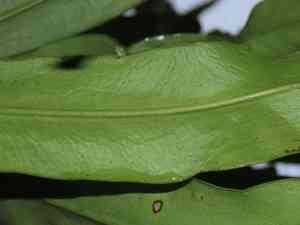
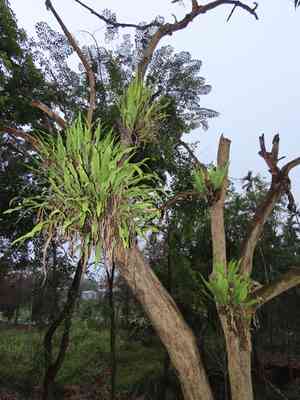
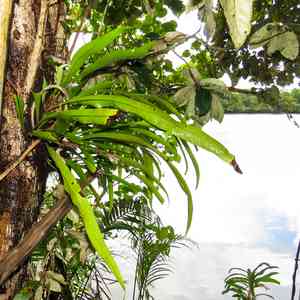
Quickly Identify Fishtail fern
1
Look for elongated, leathery fronds with a glossy appearance. The leaf surface is generally smooth and bright green, and it often has a wavy margin.
Scientific Classification of Fishtail fern
Phylum
Vascular plants
Class
Ferns
Order
Polypodiales
Family
Polypody
Genus
Microsorum
Species
Fishtail fern
Planting and Growing of Fishtail fern
Care Difficulty
Easy
Watering Schedule
Every 4 days
Sunlight Requirements
Partial sun
Sunshine Duration
6-10 hours
Ideal Temperature
65-75℉
Soil Type
Potting Mix, Peat Mix
Soil pH
6.5-7.5
Fertilizer Type
Balanced
Pruning Season
Spring, Summer
Pruning Area
Branches, Leaves
Pruning Frequency
2 times a year
Repotting Season
Spring
Pot Type
Plastic, Ceramic
 How to Water Fishtail fern?
For Microsorum punctatum, ensure the soil is kept consistently moist but not waterlogged. This plant thrives with a moist environment, aiming to water until about 200 ml has been absorbed by the soil at each watering. Allow the top layer to dry slightly between watering sessions.
What are the symptoms of an underwatered Fishtail fern?
›
What should I do if my Fishtail fern is not getting enough water?
›
What are the symptoms of an overwatered Fishtail fern?
›
How to save an overwatered Fishtail fern?
›
 What Are the Sunlight Requirements for Fishtail fern?
Microsorum punctatum thrives best in partial sun to full shade conditions. Ideal light exposure promotes thick, lush foliage and aids in maintaining vibrant, healthy fronds, reflecting positively on overall plant vigor and resilience.
More About Sunlight Requirements Techniques→
Question: What is the ideal lighting condition for Microsorum punctatum?
›
Question: How does insufficient light affect Microsorum punctatum?
›
Question: What are the signs of excessive light exposure on Microsorum punctatum?
›
 What Is the Ideal Temperature Range for Fishtail fern?
The ideal temperature range for Microsorum punctatum is between 65°F and 75°F. This range ensures optimal growth and health for the plant. The plant thrives best under consistent temperatures, promoting healthy foliage and vigorous growth. Staying within this range prevents stress and potential damage caused by unsuitable temperatures.
 What Soil is Best for Fishtail fern?
Microsorum punctatum thrives in well-drained soil as it ensures that the roots do not become waterlogged, which can lead to root rot. This not only supports healthy root development but also promotes robust leaf growth and overall plant vitality. A moderately fertile soil is ideal as it supplies essential nutrients without overwhelming the plant. This level of fertility is crucial for supporting the fern's optimal growth and ensuring its leaves maintain a vibrant green color. While Microsorum punctatum enjoys moist conditions, it is important for the soil to retain moisture consistently without being overly saturated. This balance is key in preventing stress and drought-like conditions that can hinder the plant's growth.
 How to Fertilize Fishtail fern?
Microsorum punctatum requires a balanced approach towards fertilization. Use a quarter strength liquid fertilizer each time you feed the plant, mixing it well with water. This helps avoid the risk of nutrient burn, ensuring your plant gets enough nourishment without damaging its roots.
 How to Prune Fishtail fern?
Start by identifying fronds that are yellowing or browning, as these are likely dead or damaged. Using your shears, cut these fronds near the base but avoid cutting into the crown of the plant where new growth emerges. After removing any dead material, step back and look at the plant’s symmetry. If necessary, trim some additional fronds to maintain an even, bushy shape, ensuring light can reach the inner parts of the plant. After pruning, you can apply a balanced liquid fertilizer diluted to half its strength according to the package instructions. This will provide essential nutrients to stimulate new growth and help the plant recover swiftly from the pruning process.
More About Pruning Techniques→
 How to Propagate Fishtail fern plant?
1
Choose healthy, mature Microsorum punctatum plants with plenty of growth. This ensures that the divided rhizomes have the best chance of survival and growth.
2
Carefully dig around the plant to expose the rhizomes. Use the sterilized knife to divide the rhizomes into sections with at least two fronds each, ensuring clean cuts.
3
Plant each divided rhizome in a suitable potting mix in individual containers. Ensure that the potting mix is well-draining and keep the newly planted divisions in a humid, shaded area.
 How to Repot Fishtail fern plant?
1
Microsorum punctatum exhibits signs it's time to repot when roots begin to appear through the drainage holes or the plant becomes root-bound, affecting its growth. These signals typically become evident in spring or summer, seasons ideal for repotting.
2
Select a pot that's 1-2 inches larger in diameter than the current one, made of breathable material like clay or terracotta. Such materials allow better air circulation to the roots, reducing risk of rot and promoting healthy growth.
3
Opt for a soil mixture rich in organic matter with excellent drainage, such as a mix of peat, bark, and sand. This composition ensures roots stay moist but not waterlogged, providing essential nutrients and aeration.



