How Much Sunlight Do Manchurian crab apple Need?
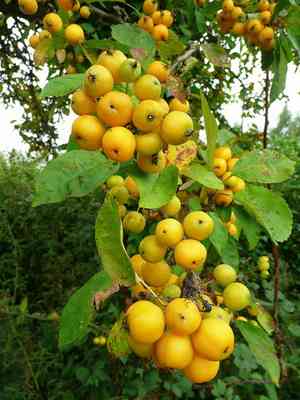
1
Manchurian crab apple flourishes optimally with ample sunlight, needing over six hours of direct sun daily.
2
It can endure some shade, though this might impact its fruit yield and bloom.
3
Optimal planting sites should account for annual sun exposure to prevent shaded spots, particularly during its active growth phase.
Optimal Sunlight Conditions for Manchurian crab apple
Full Sun Requirements
For the Manchurian crab apple tree to achieve its best growth, it's best to site it where it gets ample direct sunlight. Full sun means the tree should receive at least 6 to 8 hours of direct sun daily. This light level promotes healthy flowering, fruiting, and vigorous development. Many gardeners find that placing the tree in the yard's center or a south-facing spot, clear of obstructions, provides these conditions.
Partial Shade Tolerance
While full sun is ideal, the Manchurian crab apple can endure partial shade. This means the tree can cope with 4 to 6 hours of direct sunlight daily. However, it's important to note that partial shade might impact the tree's ability to flower and bear fruit. Less sunlight typically leads to fewer blossoms and fruits.
Daily Sunlight Hours
Daily sunlight exposure is vital for the Manchurian crab apple. Consistent direct sunlight supports the tree's overall health and productivity. Aim for your tree to get at least 6 hours of sun each day, and observe its exposure across seasons. If your garden's layout changes with the sun's path, consider trimming nearby plants or moving structures to maintain optimal light.
Impact of Sunlight on Manchurian crab apple Health
Photosynthesis Efficiency
Sunlight is crucial for the photosynthesis process in Manchurian crab apple trees. Leaves absorb sunlight and convert it into energy, powering the tree's growth and development. Insufficient sunlight can hinder photosynthesis, resulting in slower growth and a weaker overall tree structure.
Leaf and Bloom Development
Adequate sunlight significantly influences the development of leaves and blooms on the Manchurian crab apple. Sunlight aids in producing the chlorophyll needed for green, healthy foliage. More sunlight generally means more flowers, which is essential for fruit production. A lack of sunlight may lead to smaller, fewer, and less vibrant flowers and leaves.
Fruit Production
Fruit production is a primary goal for those cultivating Manchurian crab apple trees, and sunlight is integral to this process. Full sun exposure helps ensure the tree has the energy required to produce abundant, healthy fruits. Trees that don't receive enough sunlight might yield fewer fruits, and the quality and size of the fruit can be negatively affected.
Location Planning for Manchurian crab apple Trees
Ideal Planting Spots
When deciding where to plant your Manchurian crab apple, select locations that receive substantial direct sunlight. South-facing areas are generally perfect as they capture sunlight throughout the day. Ensure the spot is clear of large obstacles like other trees, buildings, or fences that could cast shadows.
Avoiding Shaded Areas
It's essential to avoid planting Manchurian crab apple trees in shaded areas. Extended exposure to shade can hinder the tree's growth, diminish fruit quality, and limit blooming. Early planning to identify potential shaded spots at different times of the year can prevent future issues.
Sunlight Patterns Throughout the Year
Understanding annual sunlight patterns can greatly benefit your Manchurian crab apple tree. In regions with distinct seasons, observe how sunlight interacts with your garden in various months. This will help you position the tree where it will receive optimal sunlight year-round.
Adapting to Different Climates with Manchurian crab apple
Sunlight in Cooler Climates
In cooler climates, the Manchurian crab apple still needs full sunlight to thrive. However, the sun's intensity and angle may differ, so consider the tree's exposure and potentially adjust its location or prune surrounding plants to maximize light during shorter days.
Sunlight in Warmer Climates
In warmer climates, sunlight intensity can be greater, which might benefit the Manchurian crab apple. However, these conditions also increase the risk of heat stress. Ensure the tree has sufficient water and possibly some light shade during the hottest part of the day.
Winter Sunlight Considerations
During winter, sunlight duration and intensity decrease, which can impact the Manchurian crab apple. Positioning the tree to maximize winter sunlight exposure is crucial. Nearby deciduous trees may shed their leaves, providing more light during these months. Additionally, reflective surfaces like white walls can help by bouncing extra light onto the tree.



